
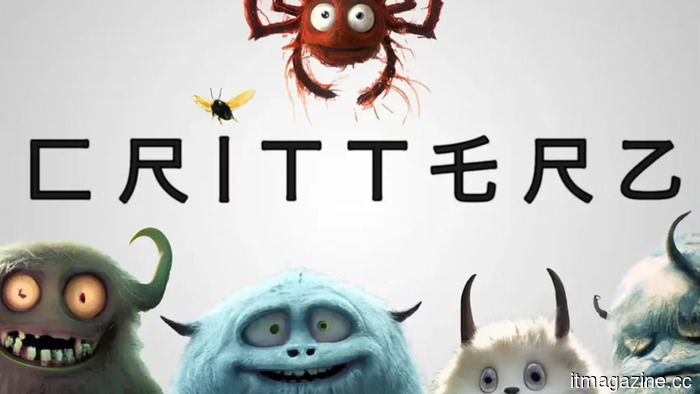
The shutdown of Sora leaves Critterz without its model at the Cannes market.
The family animation supported by OpenAI, which aimed to demonstrate that generative AI could produce a legitimate movie, has missed its festival opportunity partly because the video model it utilized is no longer available.
Critterz, the animated feature promoted as the first widely-released commercial film created using a generative AI pipeline, did not meet its planned debut at Cannes, as reported by Bloomberg.
Although the project, produced by AGC International, Vertigo Films based in London, and AI company Native Foreign, was able to participate in the Cannes market this week—where AGC showcased preliminary footage to international buyers—it failed to secure the desired in-festival premiere.
One reason for this setback is that the tool used for the film's creation no longer exists in a functional form. OpenAI discontinued Sora in March after the consumer application reached a peak of about one million users, fell below half of that total, and incurred approximately $1 million in daily operational costs.
The web and app versions were shut down on April 26, with the API scheduled to cease operations on September 24. Critterz, built using OpenAI's comprehensive creative framework, which included Sora for sequence generation, lost a significant part of its production pipeline during development.
The film is a feature-length adaptation of a 2023 short created by Chad Nelson at OpenAI using DALL-E and early Sora. Nelson is producing the feature alongside Vertigo’s Allan Niblo and James Richardson, with Nik Kleverov from Native Foreign serving as the director.
The screenplay was written by Lamont, Foster, and Butterworth, based on a directive that emphasized a “human-led but AI-assisted” project. The estimated budget is under $30 million, and the team had publicly aimed to complete the film in about nine months, in contrast to the three years typically required for traditional animation.
Their pitch to buyers at Cannes was intended to validate this timeline. They presented a family-oriented animated feature made for a fraction of the cost of a Pixar production, marketing it as the first to actually demonstrate that the generative stack could see a project through to completion.
This pitch is viable only if the production meets its premiere schedule. Missing an in-festival showing at Cannes, even if AGC secures sales from the market, detracts from the important aspect of the launch.
The shutdown of Sora tells a more significant story beneath the surface. As detailed by TNW and others, the economics of the video app never aligned: it was too costly to maintain, with insufficient returning users, and Disney was reportedly notified about the shutdown less than an hour before it was made public after investing $1 billion in the partnership.
OpenAI has been shifting its video research focus towards what it refers to as world-simulation work for robotics, a transition reported by Bloomberg that the company has yet to formally announce.
What Critterz faces as a result of this decision is uncertainty regarding its technical foundation. The marketing for the film presents it as a landmark in generative AI, even though the model that enabled its creation has been quietly phased out.
So far, producers have not publicly revealed what tools have replaced Sora in the project’s backend, although Native Foreign operates across various generative platforms.
The next likely opportunity for Critterz will be Cannes 2027. It remains to be seen whether it will still retain the “first AI feature” narrative by then, considering the market will have several other contenders for that title. The film reached the Croisette but did not make it onto the screen.
Другие статьи
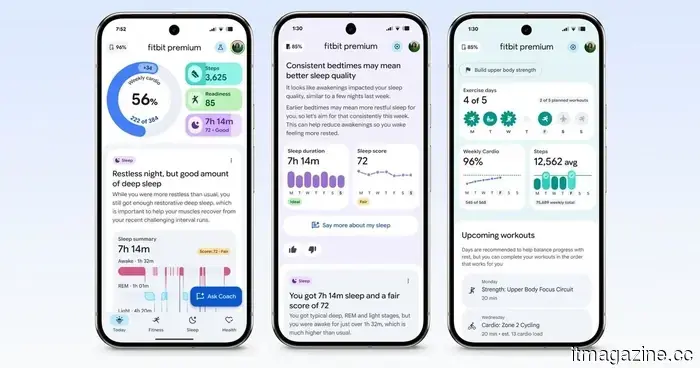 Google Health 5.0 выходит с лучшей функцией на переднем плане и худшими проблемами, скрытыми в глубине.
Новый виджет на главном экране Google Health 5.0 является настоящим улучшением по сравнению со старым пузырем шагов Fitbit. Приложение под ним — более сложная история.
Закрытие Sora оставляет Critterz на рынке Канн без своей модели
Critterz, анимационный фильм для всей семьи с поддержкой OpenAI, пропустил свой дебют на Каннском фестивале после того, как OpenAI закрыла модель Sora, использованную в его производстве.
Google Health 5.0 выходит с лучшей функцией на переднем плане и худшими проблемами, скрытыми в глубине.
Новый виджет на главном экране Google Health 5.0 является настоящим улучшением по сравнению со старым пузырем шагов Fitbit. Приложение под ним — более сложная история.
Закрытие Sora оставляет Critterz на рынке Канн без своей модели
Critterz, анимационный фильм для всей семьи с поддержкой OpenAI, пропустил свой дебют на Каннском фестивале после того, как OpenAI закрыла модель Sora, использованную в его производстве.
 JBL создала самые потрясающие прозрачные наушники, и они выглядят так, будто вышли из Матрицы.
Звуковые клипсы JBL Soundgear теперь доступны в прозрачном изумрудно-зеленом специальном издании, добавляя великолепный новый цвет, доступный только в Китае, к их линейке наушников с открытым ухом.
JBL создала самые потрясающие прозрачные наушники, и они выглядят так, будто вышли из Матрицы.
Звуковые клипсы JBL Soundgear теперь доступны в прозрачном изумрудно-зеленом специальном издании, добавляя великолепный новый цвет, доступный только в Китае, к их линейке наушников с открытым ухом.
 Итальянская полиция изъяла приложение для пиратства, которое транслировало Sky, DAZN и Netflix через захваченные реальные аккаунты.
Итальянская Гвардия финансов изъяла CINEMAGOAL, приложение для пиратства, которое расшифровывало потоки Sky, DAZN и Netflix, используя учетные данные вымышленных легитимных подписчиков.
Итальянская полиция изъяла приложение для пиратства, которое транслировало Sky, DAZN и Netflix через захваченные реальные аккаунты.
Итальянская Гвардия финансов изъяла CINEMAGOAL, приложение для пиратства, которое расшифровывало потоки Sky, DAZN и Netflix, используя учетные данные вымышленных легитимных подписчиков.
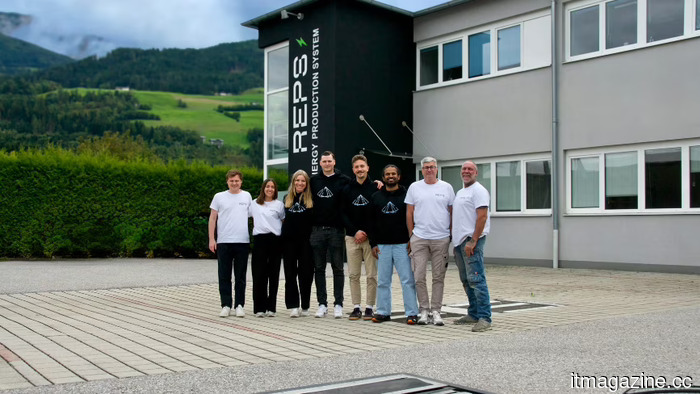 Австрийский стартап REPS привлек $23,6 млн для преобразования дорожного движения в электричество
Австрийский стартап REPS привлек 23,6 миллиона долларов для масштабирования дорожных энергетических конвертеров, первая коммерческая установка которых работает в порту Гамбурга с 2025 года.
Австрийский стартап REPS привлек $23,6 млн для преобразования дорожного движения в электричество
Австрийский стартап REPS привлек 23,6 миллиона долларов для масштабирования дорожных энергетических конвертеров, первая коммерческая установка которых работает в порту Гамбурга с 2025 года.
 Samsung готовит наушники Galaxy Buds Able с открытым ухом, и я довольно взволнован.
Galaxy Buds Able от Samsung предлагают совершенно другой подход к аудио. Никакого блокирования слухового канала, никакой изоляции, просто зажим, который сидит на вашем наружном ухе.
Samsung готовит наушники Galaxy Buds Able с открытым ухом, и я довольно взволнован.
Galaxy Buds Able от Samsung предлагают совершенно другой подход к аудио. Никакого блокирования слухового канала, никакой изоляции, просто зажим, который сидит на вашем наружном ухе.
The shutdown of Sora leaves Critterz without its model at the Cannes market.
Critterz, the family animation supported by OpenAI, did not make its debut at the Cannes festival due to OpenAI's discontinuation of the Sora model utilized in its production.