

YouTube has access to Gemini Omni at no cost, but its top AI search features remain locked behind a paywall.
At Google I/O 2026, YouTube users received a complimentary AI-driven creative studio alongside a subscription-based enhancement for search functionalities.
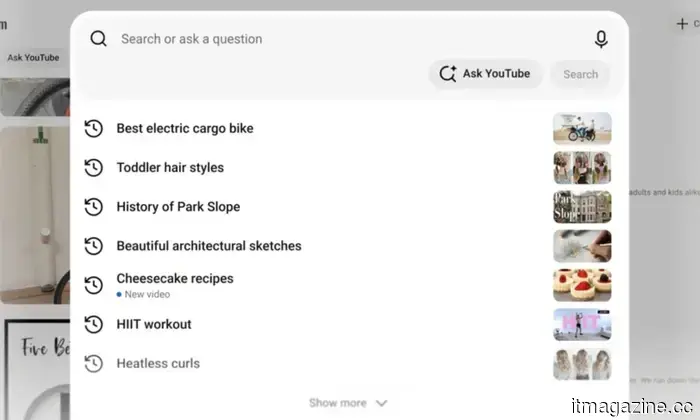
During the event, Google completely overhauled two primary features of YouTube, resulting in genuinely beneficial updates. The first is a new search capability named Ask YouTube, resembling an AI Mode tailored for the platform’s extensive video library.
Additionally, there’s Gemini Omni, described as Google's tool for "creating anything from anything," set to be included in the YouTube Shorts Remix and Create app, marking a significant advancement for creators. However, while Omni is currently free to use, Ask YouTube requires a subscription.
With Ask YouTube, users will experience an innovative conversational search function on the platform. Rather than sifting through keywords and receiving irrelevant results, users can articulate their desired video in natural language and receive a structured, interactive reply featuring both long and short videos.
Users can also posit follow-up questions regarding the videos, such as exploring additional subtopics or related inquiries.
This Ask YouTube feature could compel creators to reconsider their publishing and SEO approaches since it recommends videos based on user interactions rather than keywords banked in titles or descriptions. Nonetheless, this feature is exclusively available to Premium subscribers in the U.S.
Gemini Omni will also be integrated into YouTube Shorts and the Create app. It includes new enhancements while maintaining previous protections like clear labels and remix settings, along with likeness detection to ensure transparency.
With Gemini Omni, creators will now have the ability to incorporate a text or image prompt into an existing Short (via the Remix tool) and completely regenerate scenes. They can alter a video’s background, appear alongside their preferred creators, or expand on the video’s original narrative by sharing their insights.
Every remixed Short will display a digital watermark, and creators can opt-out at any moment. Likeness detection, a tool used to prevent unauthorized deepfakes, is now being rolled out to all creators aged 18 and older.
In contrast to the tumultuous launches of AI-generated short content by Meta and OpenAI, YouTube’s approach is considerably more understated. While Omni is expected to enhance watch time on the platform, Ask YouTube might entice more users to subscribe to Premium.
For over five years, Shikhar has been consistently making advancements in consumer technology more accessible and understandable.
Spotify has introduced verified podcast badges to ensure listeners are tuning in to genuine hosts rather than AI imitations.
After launching verified artist badges for music creators, Spotify has now announced verified podcast badges, assuring fans they are listening to their actual favorite hosts instead of AI replicas. The badge will appear as a light green checkmark on show pages and search results, indicating the show has been vetted for authenticity. Initially, not every show will receive the badge immediately; Spotify plans to start with select shows and will expand the offering over the coming months.
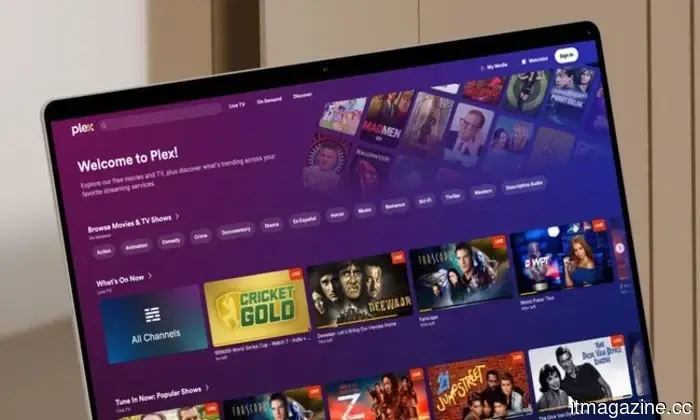
Plex is attempting to push its users into a subscription trap, which has left me rather frustrated.
The previously best deal in streaming has suddenly tripled in cost. As a long-time Plex user, I appreciate the app's capabilities. However, after reading their recent announcement, I had to take a moment to process the information. Plex is increasing the price of its Lifetime Plex Pass from $249.99 to $749.99 on July 1, 2026. This is not just a price increase; it represents a 200% surge, and the manner in which they’ve structured this change is particularly infuriating. This follows last year’s price increase from $119.99 to $249.99 for the lifetime pass, alongside a recent hike in remote pass pricing.
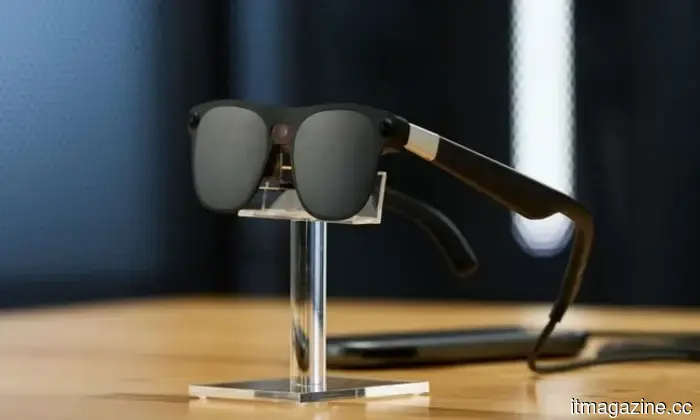
Google is set to release Xreal's Project Aura smart glasses later this year.
Google has been developing a range of smart glasses. The first of these, built on Samsung's Android XR platform, is expected to launch around July. The market for these devices will likely become quite competitive soon. At the I/O 2026 Developers Conference, Google also showcased a new category of audio glasses designed in collaboration with Warby Parker and Gentle Monster. However, the most intriguing among these is the Xreal Project Aura smart glasses, which offer full hand gesture support and a mixed reality view for Android apps available through the Play Store. Initial presentations of these smart glasses took place in December 2025, and Xreal confirmed today that they will be available in 2026.


Other articles
 GitHub was compromised through a malicious VS Code extension, resulting in the theft of 3,800 repositories.
TeamPCP extracted 3,800 internal GitHub repositories by compromising a VS Code extension. According to the company, no customer data was impacted.
QIZ Security collaborates with Google Cloud to develop quantum-safe encryption solutions.
QIZ Security partners with Google Cloud to assist businesses in identifying cryptographic vulnerabilities and transitioning to post-quantum encryption before the deadlines become more stringent.
GitHub was compromised through a malicious VS Code extension, resulting in the theft of 3,800 repositories.
TeamPCP extracted 3,800 internal GitHub repositories by compromising a VS Code extension. According to the company, no customer data was impacted.
QIZ Security collaborates with Google Cloud to develop quantum-safe encryption solutions.
QIZ Security partners with Google Cloud to assist businesses in identifying cryptographic vulnerabilities and transitioning to post-quantum encryption before the deadlines become more stringent.
 French firms have submitted a $10 billion proposal for one of the five AI gigafactory locations planned by the EU.
A French consortium led by Scaleway has submitted a bid of approximately $10 billion to construct one of the AI gigafactories proposed by the European Union.
French firms have submitted a $10 billion proposal for one of the five AI gigafactory locations planned by the EU.
A French consortium led by Scaleway has submitted a bid of approximately $10 billion to construct one of the AI gigafactories proposed by the European Union.
 YouTube receives Gemini Omni at no cost, but the most advanced AI search functionalities remain accessible only through a subscription.
At I/O 2026, Google unveiled two major features for YouTube: Omni for Shorts and Ask YouTube for Premium subscribers in the United States.
YouTube receives Gemini Omni at no cost, but the most advanced AI search functionalities remain accessible only through a subscription.
At I/O 2026, Google unveiled two major features for YouTube: Omni for Shorts and Ask YouTube for Premium subscribers in the United States.
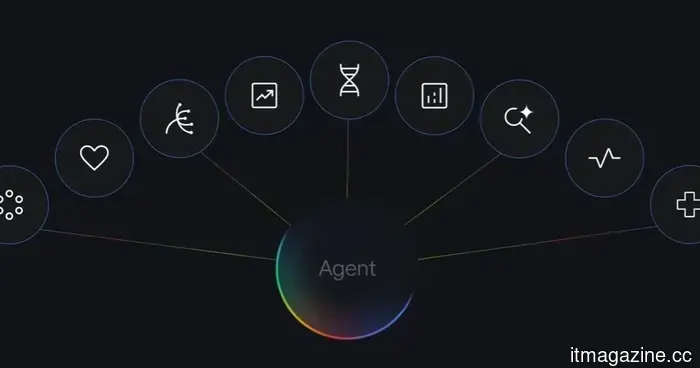 Google aims for Gemini to assist in creating the next major scientific advancement.
Google's Gemini for Science extends AI capabilities beyond mere research summaries, offering experimental tools for formulating hypotheses, performing computational tests, and conducting literature reviews. The key question remains whether it can gain confidence within actual laboratories.
Google aims for Gemini to assist in creating the next major scientific advancement.
Google's Gemini for Science extends AI capabilities beyond mere research summaries, offering experimental tools for formulating hypotheses, performing computational tests, and conducting literature reviews. The key question remains whether it can gain confidence within actual laboratories.
YouTube has access to Gemini Omni at no cost, but its top AI search features remain locked behind a paywall.
At I/O 2026, Google revealed two major features for YouTube: Omni for Shorts and Ask YouTube for Premium subscribers in the United States.