
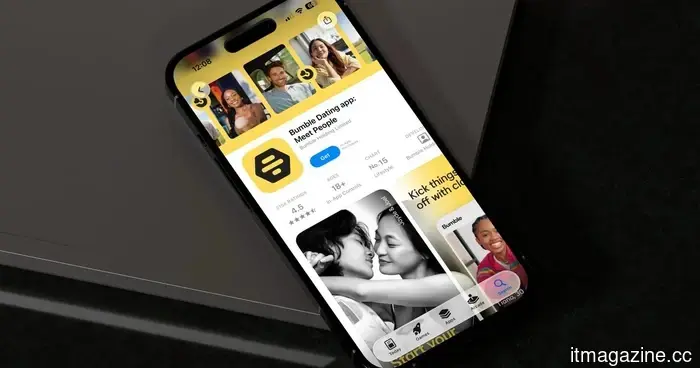
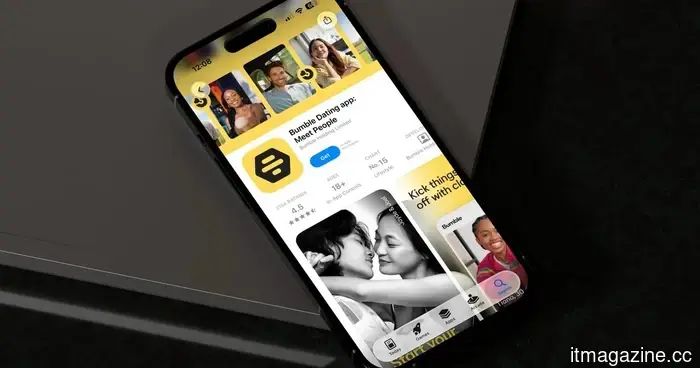
Bumble will put an end to the frustration of swiping on dating applications. The future remains uncertain.
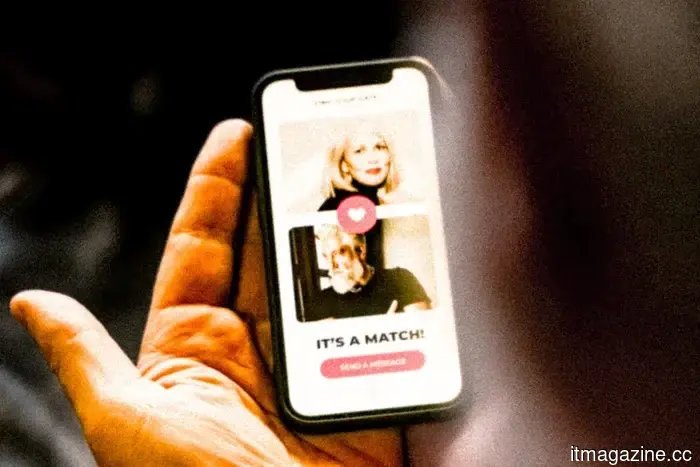
Bumble is set to eliminate its women-first rule and the swipe feature as it transitions to a more AI-driven experience.
If the continuous cycle of swiping left and right feels tiresome, Bumble is finally acknowledging this.
In a conversation with Axios, CEO Whitney Wolfe Herd revealed that Bumble will be discontinuing the swipe function, replacing it with what she describes as "revolutionary for the category." She did not specify what this new feature entails, but it is expected to launch in select markets starting in Q4 2026.
In addition to removing the swipe, Bumble will also abandon its requirement for women to initiate conversation first within 24 hours in heterosexual matches. Wolfe Herd stated that no specific gender will be obligated to message first, although elements of the women-first philosophy will still be integrated in some way.
What is Bumble actually planning?
Bumble / Instagram
The likely candidate for this new direction is an AI-powered matchmaking experience, something Bumble has been progressing toward for some time. Earlier this year, the company unveiled Bee, an AI assistant tasked with interviewing new users, recommending matches, suggesting date ideas, and collecting feedback to enhance future suggestions.
Bee is also responsible for a new feature called Dates, and Wolfe Herd has alluded to "chapter-based" profiles, where users connect over various aspects of someone’s life story rather than a single photo.
But why is Bumble making such a significant shift?
Bumble
The rationale behind this change can be seen in the numbers. In the first quarter of this year, Bumble’s paid user count dropped by about 21%, falling to 3.2 million from 4 million the previous year. Additionally, its stock has plummeted over 90% since its IPO in 2021.
The broader dating app industry is facing what is commonly referred to as swipe fatigue, with the growing perception that apps have morphed into more of a game rather than an authentic way to meet new people.
How does this compare to Tinder and Hinge?
Rachit Agarwal / Digital Trends
Bumble isn’t the only app under pressure; Tinder, the leading dating app worldwide, has implemented in-person singles events and virtual speed dating to combat swipe fatigue.
Furthermore, the app has introduced AI-driven safety measures, including enhanced message moderation, and partnered with Sam Altman’s biometric company World to allow users to verify their identity by looking into an orb.
Tinder is also experimenting with Chemistry, an AI matchmaker that analyzes your camera roll to understand your personality and suggest more compatible profiles.
Cottonbro Studio / Pexels
Hinge, which never utilized swipes to begin with, instead requires users to like a photo or respond to a prompt before matching. This method has positioned it as a significant success in the dating sector, likely catching the attention of its competitors.
The dating app landscape that Tinder and Bumble helped shape is ripe for reform. Whether the upcoming changes will genuinely assist users in forming real connections or simply offer a more sophisticated means of being ghosted remains to be seen.
Manisha Priyadarshini is a tech and entertainment writer with over nine years of editorial experience.
In response to Fitbit Air and Google Health, Whoop is emphasizing real doctors instead of merely an AI chatbot.
In the competition for health data ownership, Google opted for an AI approach, while Whoop chose to rely on medical professionals. This decision might determine which fitness tracker serious health users opt for in 2026 and beyond.
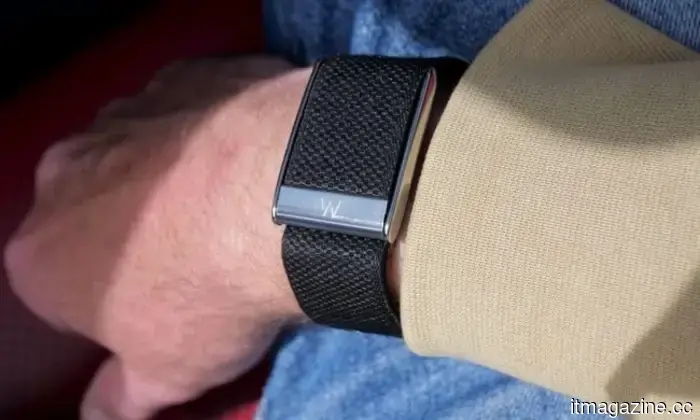
Recently, Google unveiled the Fitbit Air as a direct competitor to the Whoop screenless fitness band, rebranded the Fitbit app to Google Health, and launched a Gemini-powered AI coach. Just one day later, Whoop countered with on-demand video consultations with licensed clinicians for users in the U.S.
The difference is notable. While Google is investing in AI as your general health advisor, Whoop is committing to certified doctors, arguing that they can better serve its fitness-oriented users (via CNBC).
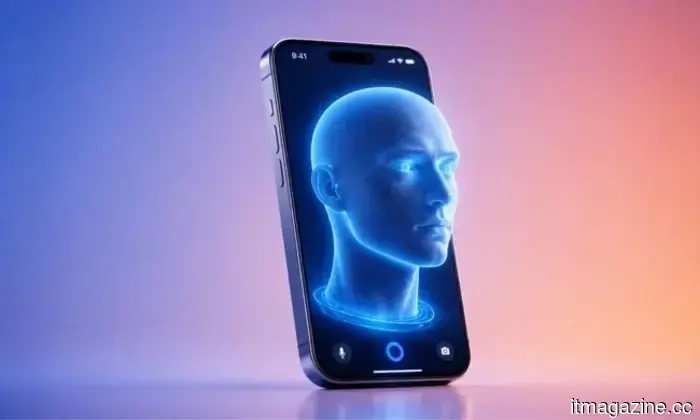
Holograms on your iPhone may sound like something out of science fiction, but a recent leak suggests Apple could be developing it. A leaker on X, known as "Schrödinger," claims Apple is creating a "Spatial iPhone" featuring a holographic display, reportedly being produced by Samsung.
The display is codenamed "MH1" (Mobile Holographic 1), and the information circulating is quite intriguing. However, it is advisable to approach this with caution, as none of it has been officially confirmed.
Sony’s Xperia phones have typically avoided bland designs, but they've also sometimes appeared too conservative for their own good. The latest leak of the Xperia 1 VIII appears to change that, showcasing the upcoming premium phone in eye-catching colors.
In a saturated high-end Android market, making a strong first impression is crucial. While Sony’s next phone must still deliver on the standard flagship features, a bolder visual identity enhances its chances of standing out.



Other articles
 Netflix is trialing its own voice search functionality, which appears to be less frustrating.
Netflix is experimenting with a built-in AI-driven voice search feature that enables users to discover shows based on mood or vibe, providing text-based results without any personalization for the time being.
Netflix is trialing its own voice search functionality, which appears to be less frustrating.
Netflix is experimenting with a built-in AI-driven voice search feature that enables users to discover shows based on mood or vibe, providing text-based results without any personalization for the time being.
 Netflix is experimenting with its own voice search functionality, and it appears to be less annoying.
Netflix is experimenting with a built-in AI-driven voice search feature that allows users to discover shows based on their mood or vibe, currently offering text-based results without any personalization.
Netflix is experimenting with its own voice search functionality, and it appears to be less annoying.
Netflix is experimenting with a built-in AI-driven voice search feature that allows users to discover shows based on their mood or vibe, currently offering text-based results without any personalization.
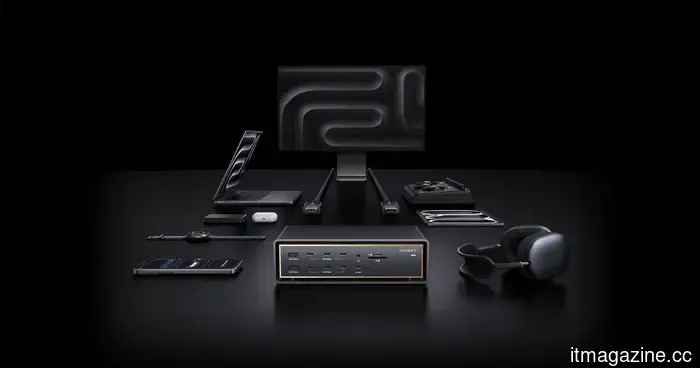 The Top Thunderbolt 5 Docks for Mac in 2026
Don't settle for docks that restrict your Mac's capability to deliver a seamless desktop-grade experience daily. In 2026, explore the top Thunderbolt 5 docks for Mac that transform tangled cables into an efficient multi-display setup.
The Top Thunderbolt 5 Docks for Mac in 2026
Don't settle for docks that restrict your Mac's capability to deliver a seamless desktop-grade experience daily. In 2026, explore the top Thunderbolt 5 docks for Mac that transform tangled cables into an efficient multi-display setup.
 The leak of the Xperia 1 VIII finally boosts Sony's confidence.
A vibrant leak of the Xperia 1 VIII indicates that Sony’s upcoming flagship may finally showcase more character, but the anticipated price and modifications to the camera could determine if the enthusiasm endures.
The leak of the Xperia 1 VIII finally boosts Sony's confidence.
A vibrant leak of the Xperia 1 VIII indicates that Sony’s upcoming flagship may finally showcase more character, but the anticipated price and modifications to the camera could determine if the enthusiasm endures.
 Korea has embraced a robotic Buddhist monk at an actual monastery, indicating a glimpse of the future.
The largest Buddhist organization in South Korea has unveiled Gabi, a humanoid robot monk, prompting new inquiries into the role of AI and robotics in spiritual practices.
Korea has embraced a robotic Buddhist monk at an actual monastery, indicating a glimpse of the future.
The largest Buddhist organization in South Korea has unveiled Gabi, a humanoid robot monk, prompting new inquiries into the role of AI and robotics in spiritual practices.
 Bumble will put an end to the frustration of swiping on dating apps. However, we are uncertain about what will follow.
The dating app Bumble is eliminating the swiping feature and its women-first messaging policy, with CEO Whitney Wolfe Herd announcing a groundbreaking AI-powered alternative set to launch in 2026.
Bumble will put an end to the frustration of swiping on dating apps. However, we are uncertain about what will follow.
The dating app Bumble is eliminating the swiping feature and its women-first messaging policy, with CEO Whitney Wolfe Herd announcing a groundbreaking AI-powered alternative set to launch in 2026.
Bumble will put an end to the frustration of swiping on dating applications. The future remains uncertain.
The dating app Bumble is eliminating the swiping feature and its rule that prioritizes women in messaging. CEO Whitney Wolfe Herd has announced a groundbreaking AI-powered alternative set to launch in 2026.