
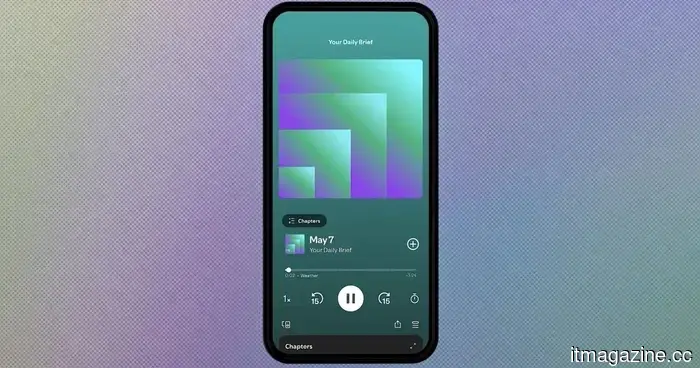
Spotify now enables AI agents such as OpenClaw and Claude Code to generate personalized podcasts for you.
You can now utilize OpenClaw or Claude Code to convert your notes and briefings into a personalized podcast on Spotify.
Spotify has been gradually integrating itself into the AI assistants you use regularly. The music application already functions within Claude and ChatGPT, allowing you to manage and enhance your listening experience through simple conversations.
Today, Spotify has advanced further by introducing ‘Save to Spotify,’ a new beta tool that transforms your AI agent into a personal podcast creator.
If you're using an AI agent like OpenClaw, Claude Code, or OpenAI Codex on your desktop, you can now instruct it to turn items such as your daily digest, class notes, travel plans, or detailed explorations of any subject into a Personal Podcast.
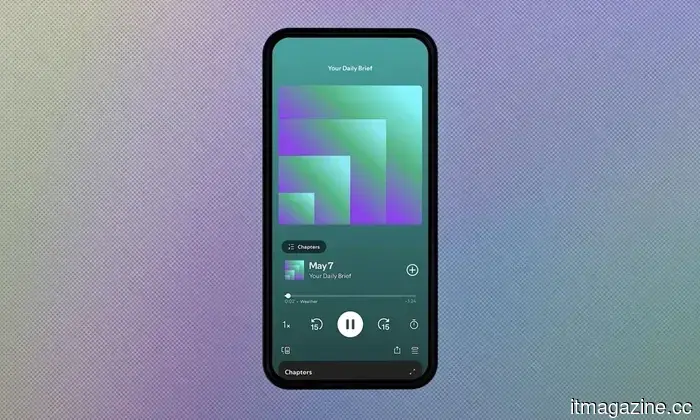
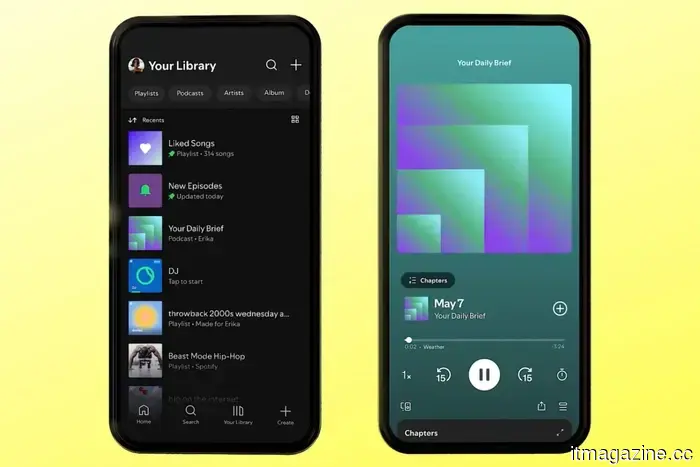
The Personal Podcast will be saved to your Spotify library as an audio episode based on your requests, enabling you to catch up on your day during your morning commute instead of sifting through notes.
**How to create Personal Podcasts using Save to Spotify?**
Getting started only requires a few minutes. Visit the Save to Spotify CLI GitHub page and follow the installation guidelines. You'll need to sign in to your Spotify account via your browser, after which the tool will be ready for use.
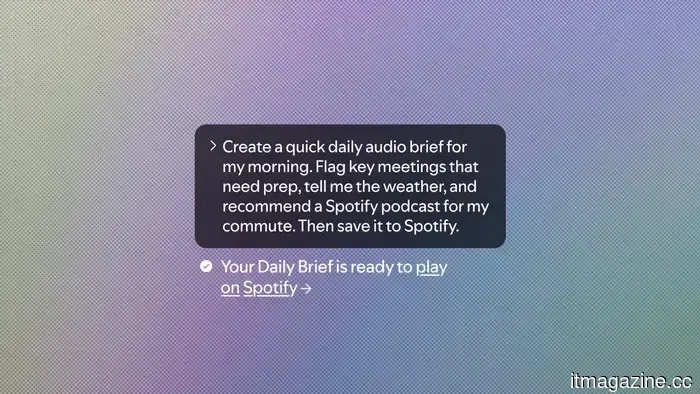
After that, describe the Personal Podcast you wish to create and instruct your agent to save it to Spotify. A link will appear that takes you directly to Your Library, where it will be available for playback.
**Need inspiration for prompts? Try these to create your Personal Podcasts on Spotify**
Spotify has suggested several prompts you can experiment with and modify according to your preferences:
- Retrieve items from my calendar for the day and highlight anything back-to-back or requiring preparation. Check my inbox for any urgent or time-sensitive emails. Select 2-3 stories from my feeds that are important to know about today and suggest a podcast for my commute. Keep it under 5 minutes.
- Create an audio itinerary for my upcoming trip. Summarize my flight information, provide the best route to the airport, and recommend top restaurants and dishes from their menus, as well as shopping and museum options in the areas I will be visiting.
- Construct an audio session that thoroughly explores the history of the World Cup, including key players, hosting locations, and essential details about this year's games.
Spotify has also released another update today, allowing you to make song requests to its AI DJ in four additional languages along with English and Spanish. Feel free to request in whichever language suits you best.
Manisha Priyadarshini is a technology and entertainment writer with over nine years of editorial expertise.
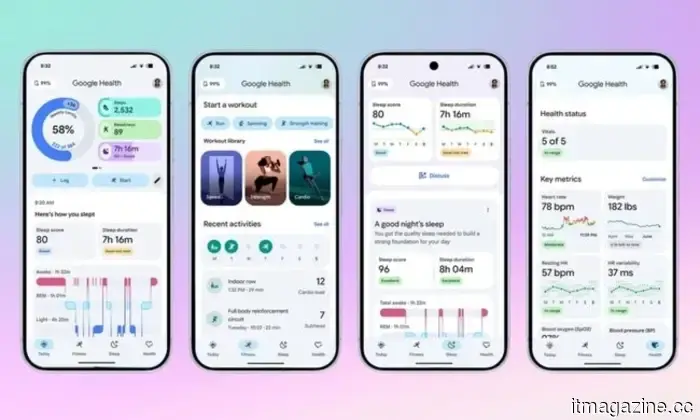
**Fitbit is becoming Google Health, and it's receiving several wellness enhancements**
Google is finally treating health tracking as a comprehensive platform, integrating medical records, third-party fitness data, and AI coaching in a manner that Fitbit's standalone app was not designed to handle.
Google is officially discontinuing the Fitbit app, replacing it with the new Google Health app on May 19, 2026. This change comes as the company has just launched a new Fitbit Air screenless fitness tracker, but the transition will occur via an OTA update.
This is happening after Fitbit’s 15-year journey, during which it acquired millions of fitness-focused users and provided them with various health trackers and meaningful insights through its software.
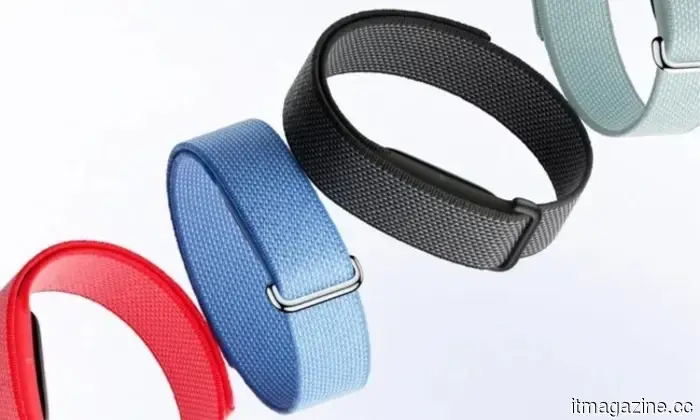
**Google’s Fitbit Air is a screenless $99 Whoop rival, and its core features don’t require a subscription**
The true competitive advantage of Fitbit Air lies in Google’s separation of hardware costs from the subscription, providing users with an option that Whoop has never offered: the choice to avoid monthly fees.
Google has made significant strides into the fitness tracker market. The manufacturer of the Pixel Watch has officially launched the Fitbit Air, a screenless health band priced at $99.99. Unlike Whoop, which keeps all fitness data behind a paywall, Fitbit Air ensures that its fundamental health-tracking features remain accessible for free.
Currently, the device is available for pre-orders and will begin shipping to 21 countries starting May 26, 2026. It comes in four Pixel-like colors, including Obsidian, Lavender, Fog, and Berry, and offers three different strap styles: Performance Loop, Active Band, and Elevated Modern Band.
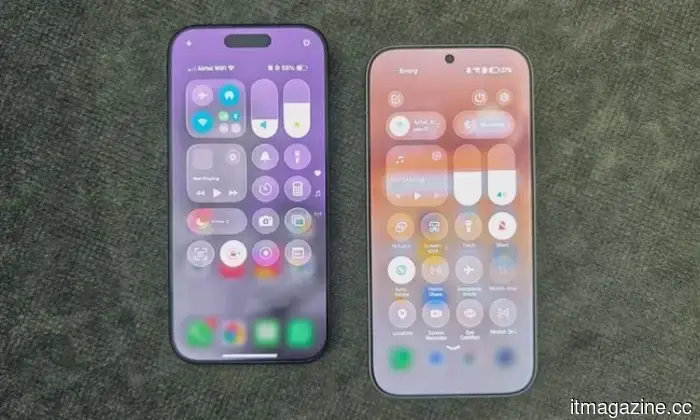
**Android chief dismisses a Liquid Glass imitation on Pixels, which is reassuring**
While numerous Android OEMs have already emulated the iOS 16 aesthetic, Google asserts that Pixels will maintain their original design.
Google's president of the Android Ecosystem has clarified that Android will not adopt Apple's Liquid Glass design language on Pixel devices. In response to a mockup of Liquid Glass on a Pixel 11 shared on X, Sameer Samat stated, "Not happening. Y'all are wild." This response is welcome news for Android enthusiasts who have witnessed many manufacturers mimic Apple's aesthetic over the past year. Several Android OEMs have already followed suit.

Другие статьи
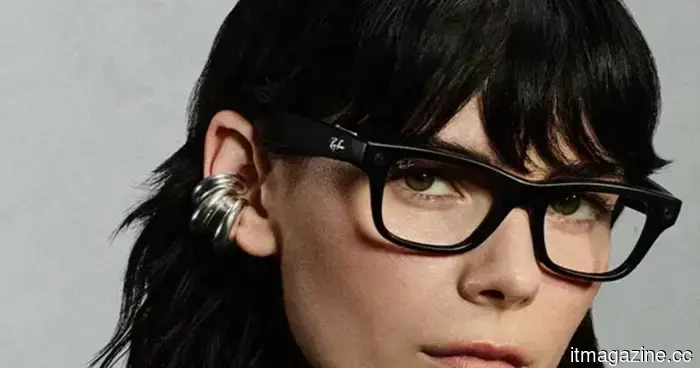 The privacy concerns surrounding smart glasses have become a reality as a victim was filmed and subsequently extorted.
A BBC investigation reveals that a woman was covertly recorded with smart glasses, and the video was shared online prior to her reportedly being asked to pay for its removal.
The privacy concerns surrounding smart glasses have become a reality as a victim was filmed and subsequently extorted.
A BBC investigation reveals that a woman was covertly recorded with smart glasses, and the video was shared online prior to her reportedly being asked to pay for its removal.
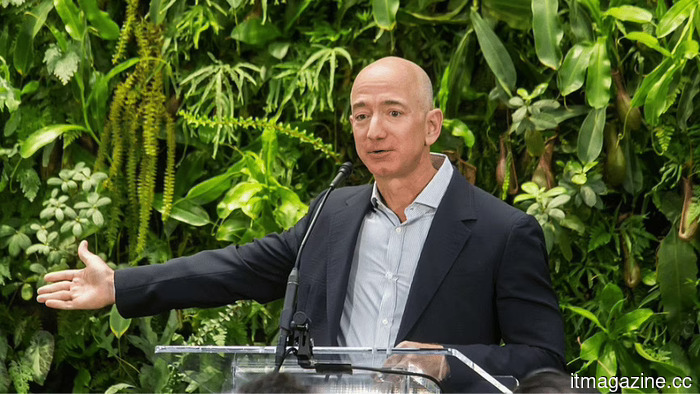 A representative from the Bezos family office has departed from the Slate Auto board just months prior to the $1.4 billion electric vehicle startup commencing production in Indiana.
Melinda Lewison, the head of Jeff Bezos's family office, has departed from Slate Auto's board. The electric vehicle startup has secured $1.4 billion in funding and intends to commence truck production in late 2026.
A representative from the Bezos family office has departed from the Slate Auto board just months prior to the $1.4 billion electric vehicle startup commencing production in Indiana.
Melinda Lewison, the head of Jeff Bezos's family office, has departed from Slate Auto's board. The electric vehicle startup has secured $1.4 billion in funding and intends to commence truck production in late 2026.
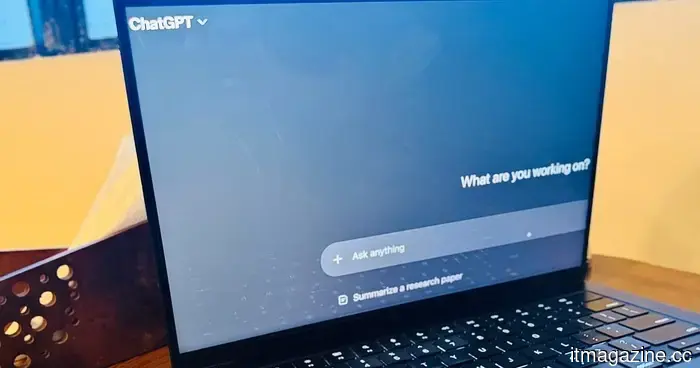 A surprising study caused me to reconsider my approach to using AI, and you might want to do the same.
A recent study reveals that after only ten minutes of problem-solving with AI assistance, individuals tended to perform worse and were more likely to give up when the AI was no longer available. However, the issue does not lie with AI itself, but rather with the way the majority of people are utilizing it.
A surprising study caused me to reconsider my approach to using AI, and you might want to do the same.
A recent study reveals that after only ten minutes of problem-solving with AI assistance, individuals tended to perform worse and were more likely to give up when the AI was no longer available. However, the issue does not lie with AI itself, but rather with the way the majority of people are utilizing it.
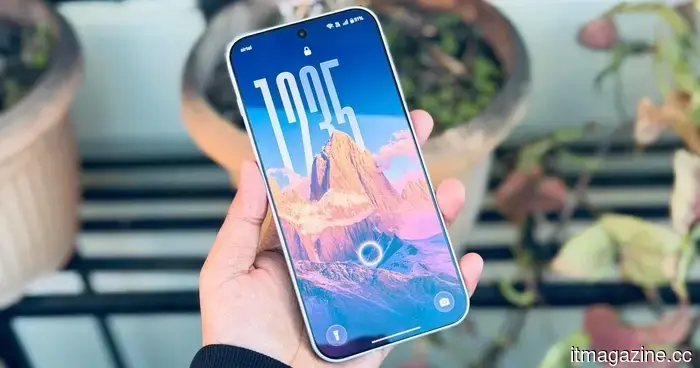 OnePlus chose an incredible moment to unveil a groundbreaking phone.
The OnePlus 16 is said to feature a 200MP zoom camera, a Snapdragon 8 Elite Gen 6 Pro processor, and a large battery, as speculations about the brand’s future loom amid shutdown reports.
OnePlus chose an incredible moment to unveil a groundbreaking phone.
The OnePlus 16 is said to feature a 200MP zoom camera, a Snapdragon 8 Elite Gen 6 Pro processor, and a large battery, as speculations about the brand’s future loom amid shutdown reports.
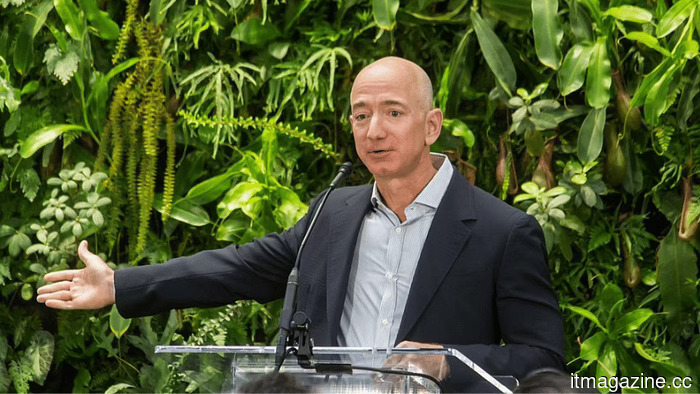 A representative from the Bezos family office steps down from the Slate Auto board just months before the electric vehicle startup, valued at $1.4 billion, starts production in Indiana.
Melinda Lewison, the head of Jeff Bezos's family office, has departed from the board of Slate Auto. The electric vehicle startup has secured $1.4 billion in funding and aims to start truck production in late 2026.
A representative from the Bezos family office steps down from the Slate Auto board just months before the electric vehicle startup, valued at $1.4 billion, starts production in Indiana.
Melinda Lewison, the head of Jeff Bezos's family office, has departed from the board of Slate Auto. The electric vehicle startup has secured $1.4 billion in funding and aims to start truck production in late 2026.
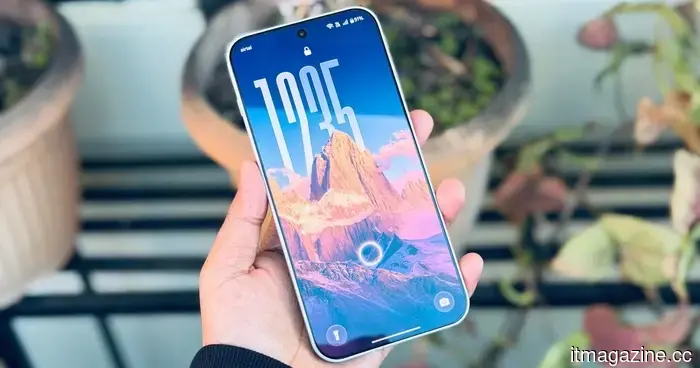 OnePlus chose an excellent moment to reveal a groundbreaking phone.
The OnePlus 16 is said to feature a 200MP zoom camera, a Snapdragon 8 Elite Gen 6 Pro processor, and a large battery, all while concerns about the brand's future persist.
OnePlus chose an excellent moment to reveal a groundbreaking phone.
The OnePlus 16 is said to feature a 200MP zoom camera, a Snapdragon 8 Elite Gen 6 Pro processor, and a large battery, all while concerns about the brand's future persist.
Spotify now enables AI agents such as OpenClaw and Claude Code to generate personalized podcasts for you.
With Spotify's latest feature, AI agents such as OpenClaw, Claude Code, and OpenAI Codex can now convert your daily summaries, class notes, and travel itineraries into a shareable Personal Podcast.