
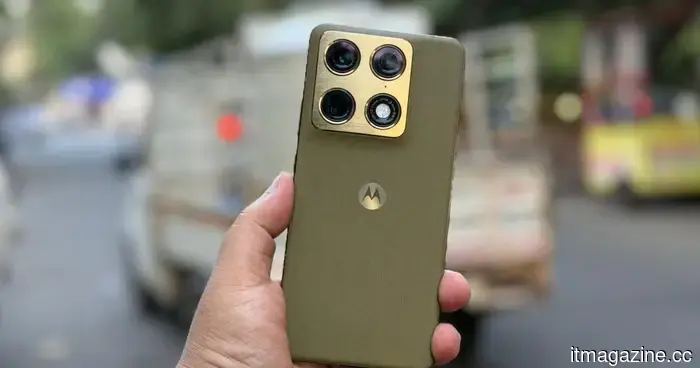
Motorola has finally created a true flagship device – and it took them several years to achieve this.
For a long time, Motorola has occupied a peculiar position in the market. It wasn't completely irrelevant, but it also wasn't actively competing. Its phones were acceptable, sometimes even enjoyable, but rarely serious rivals. This is what sets the Motorola Signature apart; for once, it’s not just a "good for Motorola" phone—it’s simply good.
This is both a refreshing and somewhat exasperating realization. However, it's important to note that this isn't a groundbreaking change. Instead, it represents something arguably more significant for Motorola: a correction. This correction is likely to shape its future smartphones.
Build Quality that Demonstrates Engineering Discipline
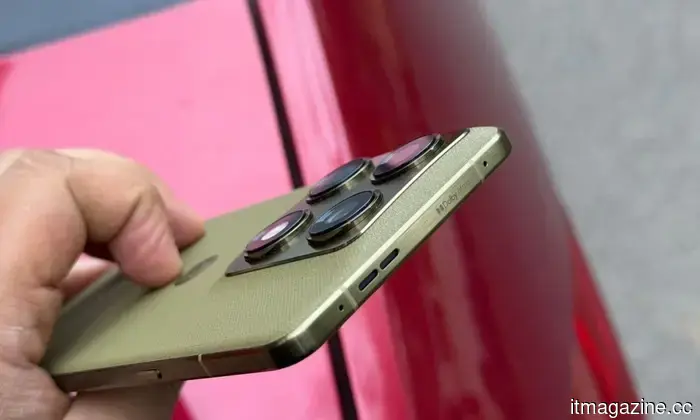
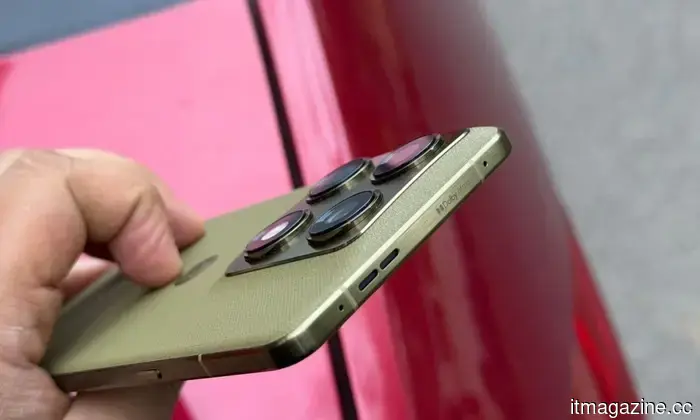
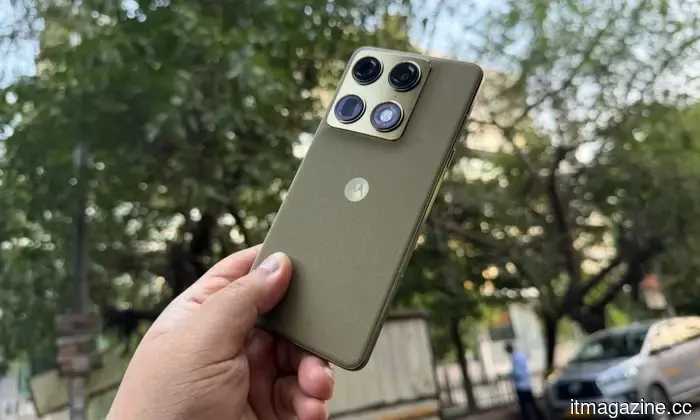
The first notable feature of the Motorola Signature is its sense of restraint. At a thickness of 7.0mm and weighing 186 grams, this is a sizable phone that doesn’t feel overly bulky. The use of Gorilla Glass Victus 2 on the front, along with an aluminum frame, provides structural stability without adding excessive weight.
What adds to this appeal is Motorola's approach to durability, which emphasizes a systematic rather than a mere checklist of specifications. The combination of IP68 and IP69 certification means the device is not only safeguarded against immersion in water but also against powerful water jets, necessitating tighter sealing tolerances across ports, speaker grilles, and seams. Adding MIL-STD-810H compliance indicates a device designed to endure conditions beyond typical daily use.
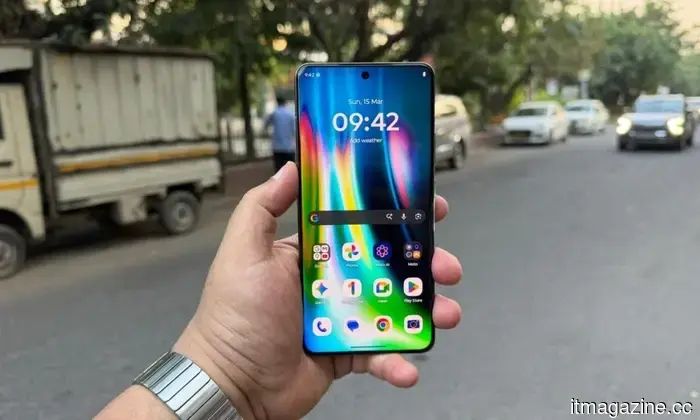
The display reinforces this engineering-centric focus. Featuring a 6.8-inch LTPO AMOLED screen with a 165Hz refresh rate and a peak brightness of 6200 nits may seem excessive, but the LTPO backplane is key. By dynamically adjusting refresh rates according to the content, it achieves a balance between smoothness and energy efficiency, which is crucial when managing such high brightness levels.
Beneath the surface, the Snapdragon 8 Gen 5, manufactured using a 3nm process, supports this theme. Smaller transistors enhance thermal efficiency and maintain performance, which is vital in a slim device like this one. Motorola isn’t merely chasing specifications; it's aligning components in a functional manner.
A Camera System Based on Sensor Science, Not Gimmicks
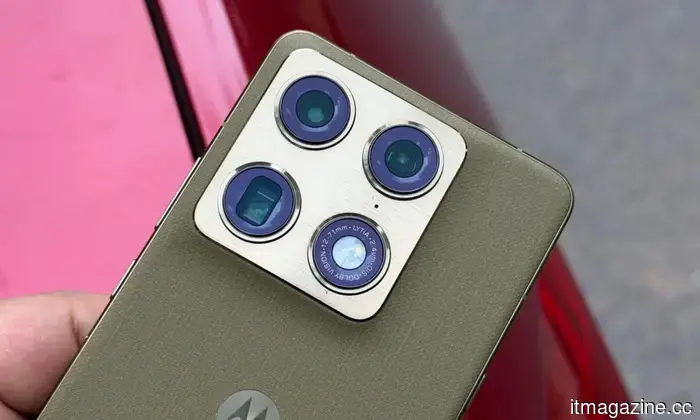
Historically, Motorola has faced challenges in the camera department. On paper, the Signature’s triple 50MP system follows industry trends, yet the implementation reflects a deeper grasp of imaging principles.
The primary sensor features a 1/1.28-inch size, an f/1.6 aperture, and 1.22µm pixels. The size of the sensor is crucial as it affects light intake; larger sensors decrease noise and enhance dynamic range. Combined with optical image stabilization and multi-directional PDAF, this system is crafted for consistent, reliable results instead of just occasional standout images.
The telephoto lens boasts a 71mm focal length with 3x optical zoom, aided by dual-pixel PDAF and OIS. This is particularly valuable since telephoto performance often falters in low light, but stabilization along with phase detection helps retain sharpness even in dimmer conditions.
The ultra-wide camera, with a 122-degree field of view, avoids being an afterthought. Though the sensor is smaller, it offers autofocus functionality, allowing it to serve as a macro shooter and enhance practical versatility.
The video capabilities are particularly noteworthy. Support for 8K recording at 30fps with Dolby Vision and 10-bit HDR10+ is not solely about resolution; it also enhances color depth. Transitioning from 8-bit to 10-bit color allows for over a billion shades, significantly improving grading options and reducing banding in high-contrast scenes.
Even the front camera reflects this approach. A 50MP sensor with dual-pixel autofocus indicates that Motorola is taking selfies and video calls as seriously as it does rear-camera performance.
A Complete Flagship – At Last, But Not First
Aside from build quality and cameras, all other aspects align as expected for 2026. The device is powered by a 5200mAh battery with 90W wired and 50W wireless charging, ensuring it meets its hardware demands. Connectivity features like Wi-Fi 7, Bluetooth 6.0, and Ultra Wideband support bring it up to date with current standards, while Android 16, paired with seven years of updates, indicates a long-term commitment.
However, there is an underlying tension here. This is not groundbreaking. These features and technologies have been honed by competitors for years. Motorola hasn’t surged ahead; instead, it has convincingly caught up.
This doesn’t lessen the accomplishment. In fact, it underscores how overdue this was. The Motorola Signature isn’t aiming to be the most innovative flagship; it’s striving to be a reliable one, founded on solid engineering and reasonable decisions. For a brand that has long hovered around the flagship segment without fully committing, this might be the most significant advancement of all.
Other articles
 Australia introduces a 2.25% tax on Meta, Google, and TikTok.
Australia introduced a 2.25% tax on the local revenues of Meta, Google, and TikTok unless they reach agreements to compensate news publishers.
Australia introduces a 2.25% tax on Meta, Google, and TikTok.
Australia introduced a 2.25% tax on the local revenues of Meta, Google, and TikTok unless they reach agreements to compensate news publishers.
 Australia announces a 2.25% tax on Meta, Google, and TikTok.
Australia introduced a 2.25% tax on the local revenues of Meta, Google, and TikTok unless they reach agreements to compensate news publishers.
Australia announces a 2.25% tax on Meta, Google, and TikTok.
Australia introduced a 2.25% tax on the local revenues of Meta, Google, and TikTok unless they reach agreements to compensate news publishers.
 Accenture has rolled out Microsoft 365 Copilot to its entire workforce of 743,000 employees.
Accenture has implemented Copilot for all 743,000 employees, marking the largest rollout of enterprise AI to date. Monthly active usage stands at 89%, with 97% of users reporting quicker task completion.
Accenture has rolled out Microsoft 365 Copilot to its entire workforce of 743,000 employees.
Accenture has implemented Copilot for all 743,000 employees, marking the largest rollout of enterprise AI to date. Monthly active usage stands at 89%, with 97% of users reporting quicker task completion.
 Accenture implements Microsoft 365 Copilot for its entire workforce of 743,000 employees.
Accenture has implemented Copilot for all 743,000 employees, marking the largest deployment of enterprise AI to date. Monthly active usage stands at 89%, and 97% of users report that tasks are completed more quickly.
Accenture implements Microsoft 365 Copilot for its entire workforce of 743,000 employees.
Accenture has implemented Copilot for all 743,000 employees, marking the largest deployment of enterprise AI to date. Monthly active usage stands at 89%, and 97% of users report that tasks are completed more quickly.
 I discovered an app that ultimately helped me end my unhealthy relationship with doomscrolling.
I didn't stop doomscrolling; I just discovered something that sometimes helps me break free from it before it consumes another hour.
I discovered an app that ultimately helped me end my unhealthy relationship with doomscrolling.
I didn't stop doomscrolling; I just discovered something that sometimes helps me break free from it before it consumes another hour.
Motorola has finally created a true flagship device – and it took them several years to achieve this.
The Motorola Signature is the newest flagship product from the renowned communications and phone manufacturer, which is now under Chinese ownership, and we are not taken aback by this.