
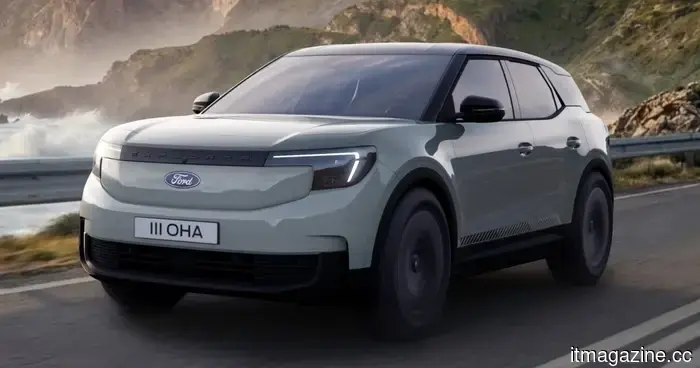
The myth of EV range anxiety has just been shattered by a billion miles of real-world evidence.
A billion miles of real-world data demonstrate that contemporary electric vehicle (EV) batteries are performing significantly better than the range-anxiety narrative would lead one to believe.
One major reason potential buyers are reluctant to purchase an electric vehicle is due to range anxiety. The reasoning is straightforward: batteries degrade over time, leading to a diminished range, which means within a few years of acquisition, your new EV may only serve as an urban vehicle.
However, fresh data from Recurrent indicates a different reality. Their analysis of over a billion miles of actual driving data reveals that, on average, an electric vehicle retains 97% of its initial range after three years and 95% after five years.
To illustrate, a 2026 model offering 325 miles of range today would still provide around 309 miles five years down the line. This reduction in range is something most people likely wouldn’t notice in their daily use.
Supporting this information, 68% of 2023 EV models still exceed their originally estimated EPA range today, meaning that the real-world performance of most of these vehicles has surpassed their official specifications.
In a competitive market, certain brands are performing better than others. Cadillac, Ford, Hyundai, Mercedes, and Rivian show no significant range decline within the first five years of driving and charging.
According to the report, automakers achieve this by preserving hidden battery capacity (or a few miles of additional range) and implementing over-the-air updates that adjust range algorithms as the vehicle ages.
This doesn’t imply that the batteries in EVs are not aging; they are, in fact. However, the advanced software and engineering are increasingly compensating for this degradation in meaningful ways for the driver.
Recurrent’s dataset of a billion miles essentially challenges one of the most common and persistent fears among EV consumers. It also emphasizes that automakers are not just creating larger batteries, but smarter ones that maintain their performance over time.
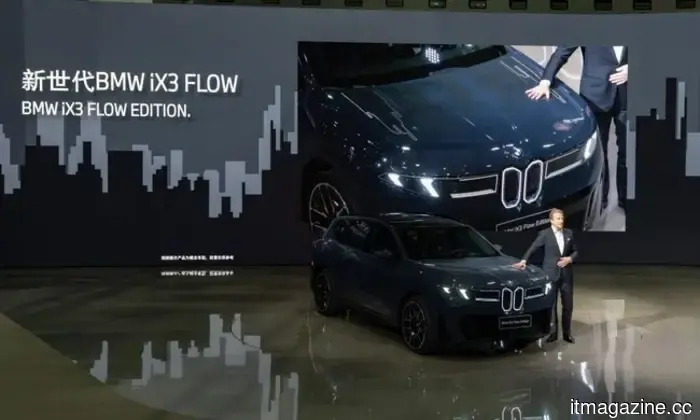
At the Beijing Auto Show 2026, BMW introduced the iX3 Flow Edition, showcasing the first use of E Ink’s Prism technology in a commercially available vehicle. This announcement marks a significant transition from experimental concept cars to practical automotive applications, featuring dynamic, color-changing surfaces for everyday transportation.
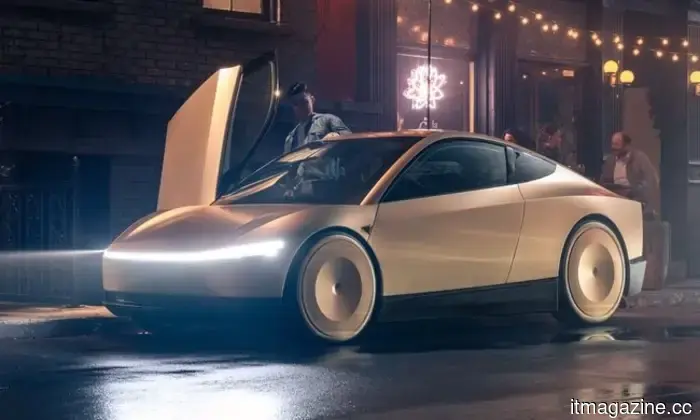
Tesla has begun production of the Cybercab, but the crucial challenge of achieving full autonomous driving is still ongoing. Tesla has a history of making announcements prematurely. On April 24, 2026, Elon Musk shared a POV video of a Cybercab without a steering wheel leaving Gigafactory Texas, generating considerable excitement online. Musk confirmed that mass production of the autonomous robotaxi has started, but the company still needs to tackle the more challenging aspects of autonomy.
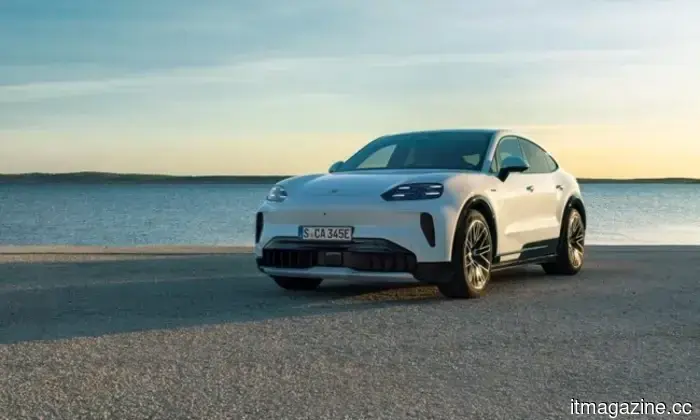
Porsche has unveiled a fully electric Cayenne Coupe, a model that has proven to be one of Porsche’s best-selling cars. Introduced in 2019, it has experienced remarkable sales growth, accounting for 40% of all Cayenne sales in the US in 2025. Building on this success, Porsche has launched an electric version. The electric Cayenne Coupe features a distinctive design with its characteristic sloping roofline, known as the "flyline," drawn from the 911. It sits lower than the traditional Cayenne SUV, includes a flush rear window, and boasts a lower drag coefficient of 0.23, enhancing its efficiency.

Другие статьи
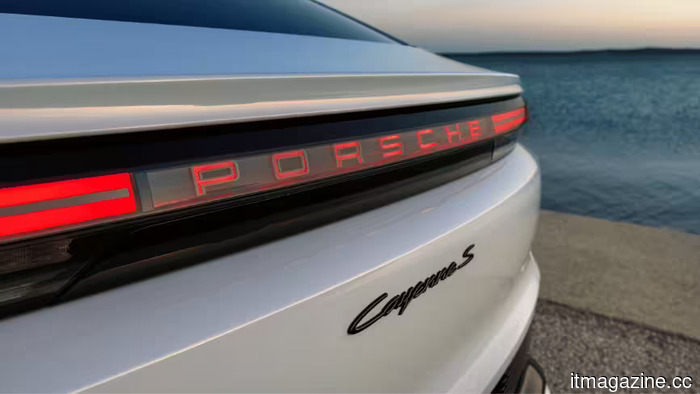 Porsche Cayenne Coupe Electric дебютирует с 1,139 л.с. и запасом хода 669 км, так как компания отказывается от стратегии полного электричества.
Купе Cayenne Electric развивает 1,139 л.с., заряжается за 16 минут и стоит от 113,800 долларов. Porsche запускает его наряду с версиями с ДВС после снижения прибыли на 93% и стратегического отхода от электрификации.
Миф о тревоге по поводу запаса хода электромобилей только что был разрушен миллиардом миль реальных данных.
Анализ компании Recurrent, основанный на более чем одном миллиарде миль данных о вождении электромобилей, показывает, что потеря запаса хода едва ли является проблемой для современных электромобилей, при этом средний автомобиль сохраняет 95% своего первоначального запаса хода после пяти лет эксплуатации.
Porsche Cayenne Coupe Electric дебютирует с 1,139 л.с. и запасом хода 669 км, так как компания отказывается от стратегии полного электричества.
Купе Cayenne Electric развивает 1,139 л.с., заряжается за 16 минут и стоит от 113,800 долларов. Porsche запускает его наряду с версиями с ДВС после снижения прибыли на 93% и стратегического отхода от электрификации.
Миф о тревоге по поводу запаса хода электромобилей только что был разрушен миллиардом миль реальных данных.
Анализ компании Recurrent, основанный на более чем одном миллиарде миль данных о вождении электромобилей, показывает, что потеря запаса хода едва ли является проблемой для современных электромобилей, при этом средний автомобиль сохраняет 95% своего первоначального запаса хода после пяти лет эксплуатации.
 Станфордский Джеймс Цоу нацелен на оценку в $1 миллиард для стартапа в области ИИ-физиологии, поддерживаемого исследованиями, опубликованными в журнале Nature, и одобренным FDA ИИ для кардиологии.
Станфордский Джеймс Цоу нацелен на оценку в $1 миллиард для стартапа в области ИИ-физиологии, поддерживаемого исследованиями, опубликованными в журнале Nature, и одобренным FDA ИИ для кардиологии.
Станфордский Джеймс Цоу нацелен на оценку в $1 миллиард для стартапа в области ИИ-физиологии, поддерживаемого исследованиями, опубликованными в журнале Nature, и одобренным FDA ИИ для кардиологии.
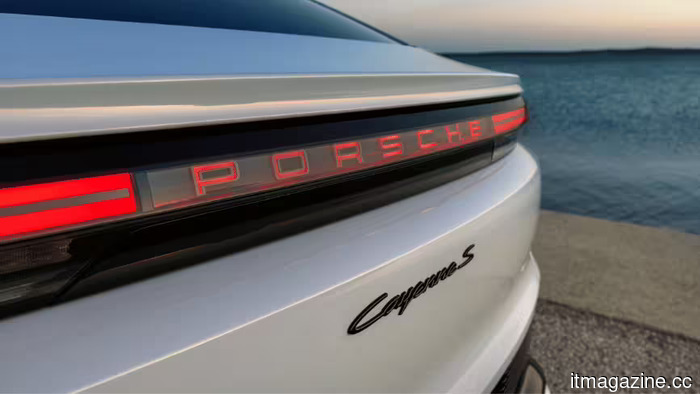 Porsche Cayenne Coupe Electric дебютирует с 1,139 л.с. и запасом хода 669 км, так как компания отказывается от стратегии полного электричества.
Купе Cayenne Electric развивает 1,139 л.с., заряжается за 16 минут и стоит от 113,800 долларов. Porsche запускает его наряду с версиями с ДВС после снижения прибыли на 93% и стратегического отхода от электрификации.
Porsche Cayenne Coupe Electric дебютирует с 1,139 л.с. и запасом хода 669 км, так как компания отказывается от стратегии полного электричества.
Купе Cayenne Electric развивает 1,139 л.с., заряжается за 16 минут и стоит от 113,800 долларов. Porsche запускает его наряду с версиями с ДВС после снижения прибыли на 93% и стратегического отхода от электрификации.
 Обеспечение будущего ИИ: Как Tresor Lisungu Oteko соединяет облачные системы и постквантовую безопасность
По мере того как принятие ИИ ускоряется, риски безопасности возрастают. Tresor Lisungu Oteko работает на пересечении облака, ИИ и криптографии для создания более безопасных предприятия систем.
Обеспечение будущего ИИ: Как Tresor Lisungu Oteko соединяет облачные системы и постквантовую безопасность
По мере того как принятие ИИ ускоряется, риски безопасности возрастают. Tresor Lisungu Oteko работает на пересечении облака, ИИ и криптографии для создания более безопасных предприятия систем.
The myth of EV range anxiety has just been shattered by a billion miles of real-world evidence.
Recurrent's evaluation of more than one billion miles of electric vehicle driving data reveals that range loss is minimal for contemporary electric cars, with the typical vehicle maintaining 95% of its initial range even after five years.