
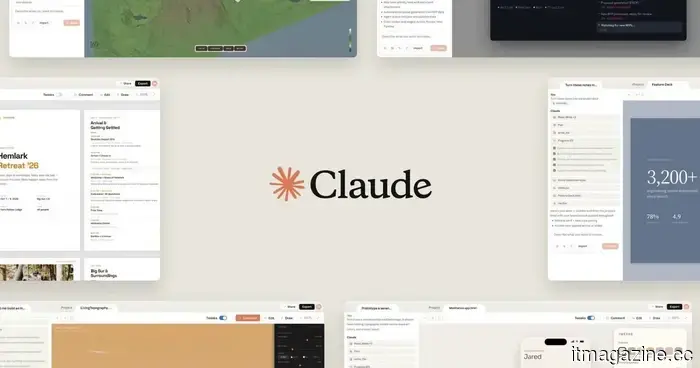
Anthropic has introduced Claude, a design aimed at making visual creation easier with the help of AI.
Anthropic has launched an AI-based design tool called Claude Design, which is designed to assist users in creating visual content such as prototypes, presentations, and marketing materials using simple conversational inputs. Currently in research preview for paid Claude subscribers, this product is being gradually rolled out through Anthropic Labs.
Claude Design leverages the company’s newest vision model, Claude Opus 4.7, and serves as a bridge between technical design capabilities and everyday creative requirements.
A Fresh Take on Design Workflows
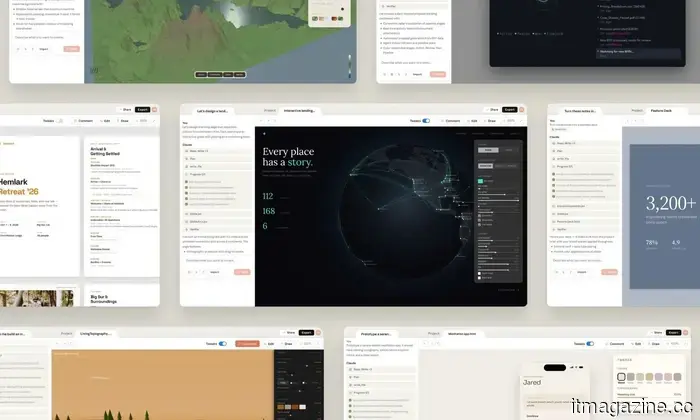
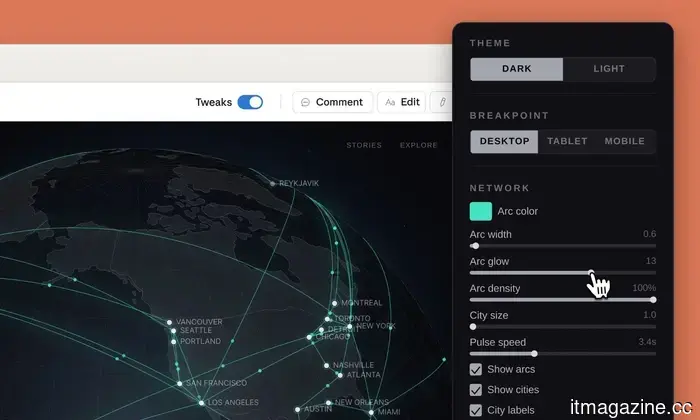
The main concept behind Claude Design is to make the creation of visual content easier. Rather than depending on conventional design tools that necessitate manual inputs and expertise, users can simply describe their needs, and the AI will produce an initial version. Subsequently, designs can be enhanced through conversation, inline comments, direct edits, or adjustable settings.
Claude Claude
This platform accommodates a variety of use cases, including developing interactive prototypes, product wireframes, pitch decks, and marketing materials. Moreover, it enables teams to rapidly investigate multiple design avenues without the time limitations typically linked to manual workflows.
Integrated Design Systems and Collaboration
A significant feature of Claude Design is its capability to automatically create and utilize a company's design system. During the onboarding process, the tool can evaluate existing design files and codebases to replicate brand elements like colors, typography, and components.
This feature guarantees consistency across projects without the need for designers to manually enforce guidelines. Teams can also manage multiple design systems and refine them over time.
Collaboration is another crucial emphasis. Users can share designs within their organization, provide editing access, and collaborate in real time. The platform also facilitates project exports in formats such as PDF, PPTX, and HTML, and allows integration with tools like Canva for further enhancement.
The Importance for Creators and Teams
Design tasks typically require multiple iterations, feedback cycles, and collaboration between teams. Claude Design seeks to streamline this workflow by minimizing the time it takes to transition from idea to execution.
For individuals without design backgrounds, the tool makes it more feasible to produce professional-quality content. For seasoned designers, it provides a means to quickly explore various ideas and concentrate on refinement rather than repetitive tasks.
Initial feedback mentioned in the announcement indicates that teams can swiftly move from concept to functioning prototypes in just one session, considerably cutting down turnaround times.
Implications for Users
For users, Claude Design signifies a move towards more accessible and collaborative creative tools. It enables those without formal design training to actualize their ideas while also accommodating advanced workflows for professionals.
Claude Claude
Its integration with other tools and ability to create interactive prototypes without coding further broadens its applicability across various industries.
What Lies Ahead
Anthropic has announced that more integrations and features will be rolled out in the upcoming weeks, facilitating the connection of Claude Design with existing workflows and tools.
As AI continues to transform creative fields, platforms like Claude Design underscore a growing trend toward conversational interfaces that simplify complex tasks. Although still in the early preview stage, the platform gives a sneak peek into the future evolution of design processes.
Anthropic has introduced Claude, a design aimed at making visual creation easier with the help of AI.
Anthropic has introduced Claude Design, an AI tool that assists users in developing prototypes, presentations, and visual assets using straightforward prompts.