

From Microsoft to "microslop": The AI backlash that necessitated a reset.
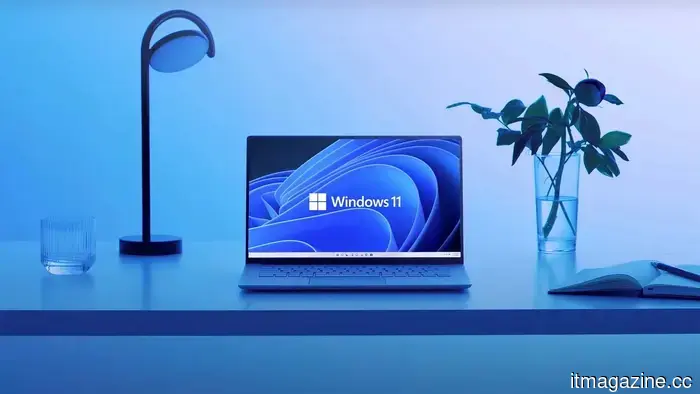
In 2025, Windows transitioned from being perceived as a traditional operating system to feeling more like a demonstration of AI capabilities. Opening Notepad prompted suggestions to summarize your text, and Edge featured Copilot waving at you from the sidebar. Even familiar applications like Microsoft Paint changed, not by becoming simpler, but by integrating functions to generate, edit, and enhance images.
Microsoft wasn't merely adding AI; it was embedding it throughout the user experience. This initially felt thrilling, but eventually, it became overwhelming.
Microslop: The Internet’s Preferred Insult
This was when the internet responded in its usual fashion by creating a term: Microslop. It was crude, catchy, and very effective. Inspired by the broader concept of “AI slop,” which refers to low-quality AI output, this new term quickly evolved into a more specific critique.
It signified not just poor AI but unwanted AI — the type that intrudes uninvited, gets too personal, and insists on assisting when all you wanted was to make a grocery list. It reflected growing dissatisfaction with Microsoft's software becoming increasingly cluttered, cumbersome, and unpredictable.
Microsoft announced that it would not forcibly install the Microsoft 365 Copilot app on Windows 11 PCs for the time being. This news followed a surge of online criticism, with users derisively dubbing it “Microslop” due to its persistent focus on Copilot.
The backlash became loud enough that even CEO Satya Nadella felt compelled to defend against the label of AI being called “slop.” Ironically, this only fueled the term's popularity. By early 2026, it had transformed into a cultural shorthand expressing discontent with Microsoft's AI direction, even getting banned in certain official forums. At this stage, it transcended meme status; it became genuine feedback.
The Moment Microsoft Acknowledged User Concerns
For a time, it seemed Microsoft would persist with its approach. However, in March 2026, they surprisingly published a candid blog post titled “Our commitment to Windows quality,” recognizing what users had been saying for months. The company discussed plans to enhance reliability, reduce friction, and restore a smoother, more dependable Windows. They also mentioned scaling back Copilot's visibility across Windows.
These weren’t just empty promises. Microsoft reduced the number of areas where AI was present across multiple applications. Features like deeper Copilot integrations in notifications were quietly abandoned, and applications like Notepad, Photos, and Snipping Tool no longer prominently featured Copilot.
On the surface, this appeared to align perfectly with user requests for a cleaner interface with less AI disruption. Accordingly, the narrative simplified; Microsoft had listened to the backlash and was curtailing its AI presence. Yet, like many straightforward narratives, this one doesn't fully hold.
Why Microsoft Can’t Simply Abandon AI
The reality is that Microsoft cannot entirely step back from AI, even if it wished to. AI is not merely an extra feature; it is integral to the current framework of all the company’s products. From Azure infrastructure to Microsoft 365 and Windows itself, AI is deeply woven into their strategy, supported by billions in investments and reshaping entire product lines.
Microsoft was a pioneer investor in OpenAI, integrated ChatGPT into its offerings, and utilized rival Anthropic’s Claude AI to enhance Copilot, all while developing its own AI capabilities. The emphasis on AI even led to the creation of a new category of laptops featuring Copilot+ branding and dedicated buttons for Copilot.
You might find this “absurd,” but even as it reduces visible AI features, Microsoft continues to incorporate Copilot into enterprise tools and services. What's evident is not a withdrawal but rather a recalibration. AI isn’t disappearing; it’s being repositioned to be less conspicuous while still underlying the products.
Stealth Mode in Action?
This more subtle integration is most apparent in minor changes. For example, Notepad previously showcased a prominent Copilot button in its interface, making its presence clear. In recent updates, that button has been replaced with a more subdued "Writing Tools" icon. The functionalities remain available—rewrite, summarize, adjust tone—but the branding has been toned down, as has the overall presence.
Microsoft has discreetly eliminated Copilot branding from Notepad and Snipping Tool on Windows 11, aligning with their pledge following the quality reset. The previous branding has been replaced with a simpler reference to “Writing tools.”
This shift is not an isolated incident. Across Windows, Microsoft is minimizing the frequency with which Copilot is referenced as a distinct feature while retaining its core functionalities. This approach is being referred to as “Stealth-Slop,” indicating that AI isn’t gone but has learned to stay out of the way. The emphasis has shifted from frequent announcements to more widespread availability.
Interestingly, Microsoft's core belief about AI hasn’t changed. The company still regards AI as the forthcoming frontier of computing and is deepening its commitment behind the scenes. What has shifted is the



Other articles
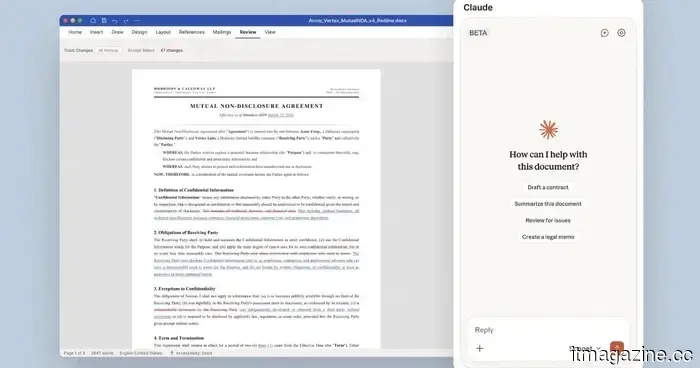 Claude has just arrived in Microsoft Word, and it seems to be a real enhancement for document tasks.
The new Claude for Word extension by Anthropic can read your documents, modify chosen text, address comments, and monitor all changes, ensuring you maintain control.
Claude has just arrived in Microsoft Word, and it seems to be a real enhancement for document tasks.
The new Claude for Word extension by Anthropic can read your documents, modify chosen text, address comments, and monitor all changes, ensuring you maintain control.
 OnePlus has started selling the OnePlus Nord smartphone.
The company OnePlus announced the start of sales in Russia for the OnePlus Nord 6 model. The new product adds to the brand's mid-range lineup and is positioned as a device with a set of modern features.
OnePlus has started selling the OnePlus Nord smartphone.
The company OnePlus announced the start of sales in Russia for the OnePlus Nord 6 model. The new product adds to the brand's mid-range lineup and is positioned as a device with a set of modern features.
 A grand jury is seeking to compel Reddit to reveal the identity of a user who criticized ICE.
Federal prosecutors have issued a subpoena to Reddit to reveal the identity of a user who criticized ICE, following their inability to identify the user in court the previous month.
A grand jury is seeking to compel Reddit to reveal the identity of a user who criticized ICE.
Federal prosecutors have issued a subpoena to Reddit to reveal the identity of a user who criticized ICE, following their inability to identify the user in court the previous month.
 While the world navigates the concept of digital detox, there's a trend of screenmaxxing emerging in the background.
Certain individuals spend almost 19 hours a day online. They are aware of the cautions regarding screen time, but it doesn’t bother them at all.
While the world navigates the concept of digital detox, there's a trend of screenmaxxing emerging in the background.
Certain individuals spend almost 19 hours a day online. They are aware of the cautions regarding screen time, but it doesn’t bother them at all.
 From Microsoft to "microslop": The AI backlash that necessitated a reset.
Microsoft's bold AI initiative led to criticism and the emergence of the "microslop" trend. Now, the company is discreetly reducing its efforts, focusing on more nuanced and practical AI implementations throughout Windows and its applications.
From Microsoft to "microslop": The AI backlash that necessitated a reset.
Microsoft's bold AI initiative led to criticism and the emergence of the "microslop" trend. Now, the company is discreetly reducing its efforts, focusing on more nuanced and practical AI implementations throughout Windows and its applications.
 Claude has just arrived in Microsoft Word, and it appears to be a true enhancement for document tasks.
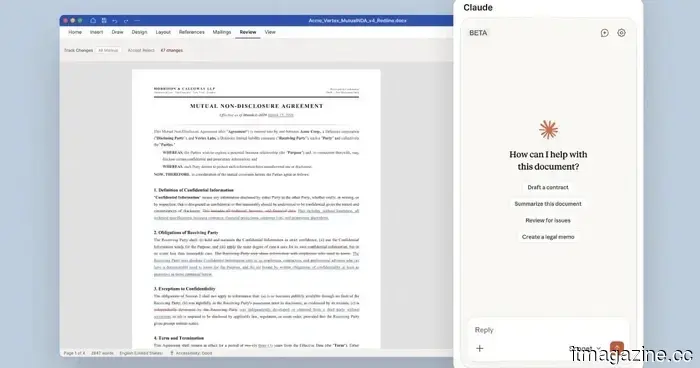
Anthropic's latest Claude for Word extension is capable of reading your documents, editing chosen text, addressing comments, and monitoring all changes, ensuring you maintain control.
Claude has just arrived in Microsoft Word, and it appears to be a true enhancement for document tasks.
Anthropic's latest Claude for Word extension is capable of reading your documents, editing chosen text, addressing comments, and monitoring all changes, ensuring you maintain control.
From Microsoft to "microslop": The AI backlash that necessitated a reset.
Microsoft's aggressive advancement in AI has led to backlash and the emergence of the "microslop" trend. Now, the company is discreetly reducing its efforts, moving towards more understated and beneficial AI features in Windows and its applications.