
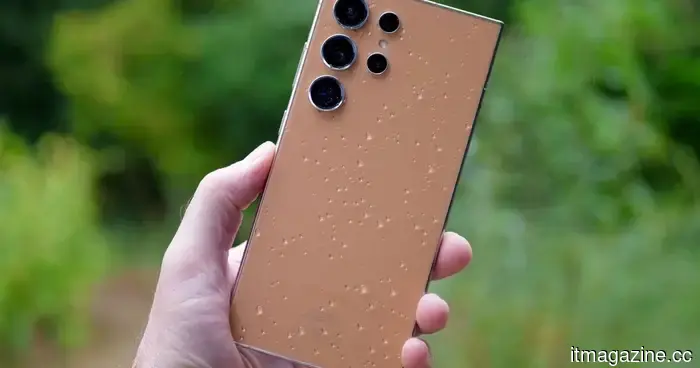
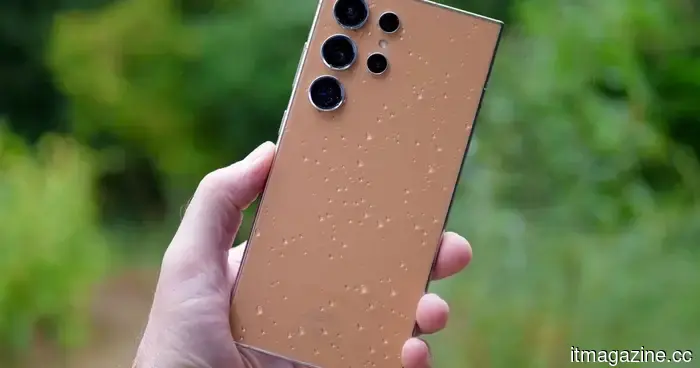
The Galaxy S26 Ultra is impressive, but its two-year-old counterpart is still performing well for me.
It has been just over a month since Samsung introduced the Galaxy S26 series. After years of following and using Samsung devices, this launch felt familiar. It wasn’t bad, but it certainly wasn’t particularly thrilling either. The Galaxy S26 Ultra does offer some upgrades. The much-discussed privacy display is impressive, the battery has received a minor increase, and the new camera module design is certainly more visually appealing.
However, aside from these updates, not much feels innovative. My two-year-old Galaxy S24 Ultra still performs excellently, meeting all my needs without any major compromises. Honestly, there are several reasons I don’t feel compelled to upgrade just yet.
Minimal changes in appearance and feel
The Galaxy S24 Ultra excels at the basics. Its slightly curved frame makes it incredibly comfortable to hold, and I often find myself picking it up without thinking. It's one of those phones that fits perfectly in your hand, which is more important than many upgrades that manufacturers often promote. While the Galaxy S26 Ultra is also comfortable, it doesn't possess that same effortless grip. It's good, but not as good, which is why the S24 Ultra still appeals to me. Ultimately, if a phone isn't a pleasure to hold, what’s the point?
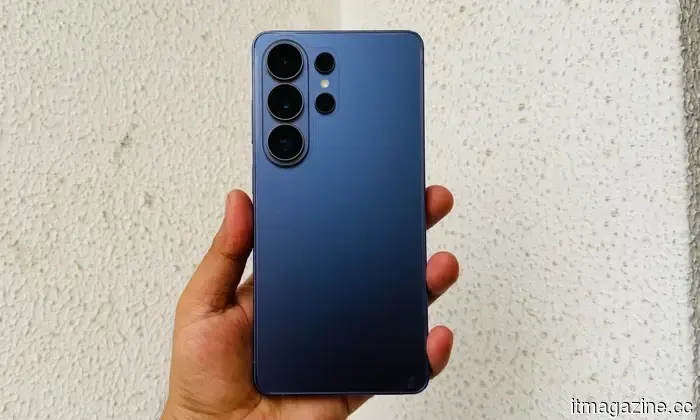
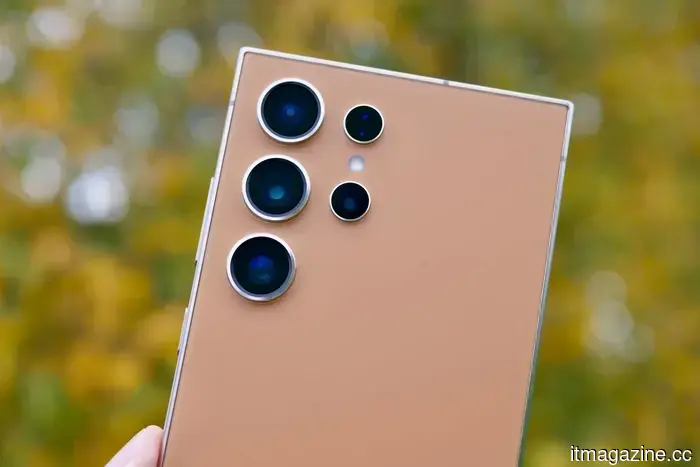
From an aesthetic standpoint, there’s little new to report. The S26 Ultra features a pill-shaped camera island, which looks cleaner, but that’s about it. The difference in display size is barely noticeable at just 0.1 inches. You wouldn’t really perceive that unless you were actively looking for it. Yes, the Privacy Display on the S26 Ultra is excellent, and I’d love to have it on my S24 Ultra without hesitation. But upgrading solely for that one feature? That’s quite the request, and Samsung understands that. More crucially, you can apply a privacy screen to a Galaxy device for around $10, making the hundreds spent on an upgrade or the hassle of a trade-in seem unreasonable.
The unassuming upgrade
On paper, the Galaxy S26 Ultra appears to be a significant upgrade. It features the latest Qualcomm chip, greater power, and improved thermal management. However, once you begin using it, the differences aren’t as noticeable as you might expect.
I compared both devices side by side, and for routine tasks like multitasking, scrolling through Instagram, replying to texts, or watching Netflix, they felt nearly identical. Everything was smooth, quick, and responsive. Neither phone even got warm, which lessened the excitement of the “upgrade.”
Even when subjected to more demanding tasks like gaming or video editing on CapCut, both devices performed flawlessly. With extended use, the S26 Ultra does a better job of handling heat, showcasing the advantages of the newer chip.
The heart of the device can maintain peak performance only for short bursts. As heat builds up, the chip begins to slow down. However, with a better thermal design (like a vapor chamber), the processor can continue to operate without noticeable slowdowns from rising internal temperatures. But for the daily activities most users engage in, the Galaxy S24 Ultra remains more than adequate. It’s quick, dependable, and efficiently gets the job done.
Aiming higher with the ultra-wide
In terms of the camera, the expectations are familiar. The Samsung Galaxy S26 Ultra doesn’t reinvent the concept; it simply enhances it. The ultra-wide camera has been upgraded significantly from the 12MP sensor on the Galaxy S24 Ultra to a 50MP sensor, which does sound impressive on the surface.
In real-world situations, however, this change is somewhat contextual. Not everyone regularly takes ultra-wide shots, and in that sense, the S24 Ultra performs confidently. It’s dependable, consistent, and rarely leaves you wanting unless you’re specifically searching for extra detail.
Where the S26 Ultra slightly excels is in its color science. There’s a subtle refinement in how it manages tones and contrast. Photos appear more balanced and polished without seeming overstated. It’s not a drastic change, but it’s the kind that becomes more apparent with close attention.
Same story, which is the issue
To put things into perspective, the battery life of the Samsung Galaxy S24 Ultra has been notably impressive. On a recent journey, it went from a full charge in the morning until well past 1 AM, still having enough power to continue. For a phone that's two years old, that’s quite an achievement, especially given the long-term degradation of battery cells over time.
Now, the Samsung Galaxy S26 Ultra comes with the same 5,000mAh battery, meaning there’s no significant upgrade here, nor is there an added cushion that transforms how you use your phone. If anything, it underscores just how well the S24 Ultra has held up, which oddly makes the newer model less appealing.
When your current device is already performing well without issues, “more of the same” doesn’t present a compelling reason to upgrade. It serves as
Other articles
 Can AI alleviate loneliness? The response is… nuanced.
Research indicates that AI companions can help alleviate feelings of loneliness, but specialists caution against emotional reliance and the dangers of substituting genuine human relationships.
Can AI alleviate loneliness? The response is… nuanced.
Research indicates that AI companions can help alleviate feelings of loneliness, but specialists caution against emotional reliance and the dangers of substituting genuine human relationships.
 Your LinkedIn activity may not be as confidential as you believe.
A recent report indicates that LinkedIn monitors more than 6,000 Chrome extensions and gathers device information through concealed scripts, which raises significant privacy issues.
Your LinkedIn activity may not be as confidential as you believe.
A recent report indicates that LinkedIn monitors more than 6,000 Chrome extensions and gathers device information through concealed scripts, which raises significant privacy issues.
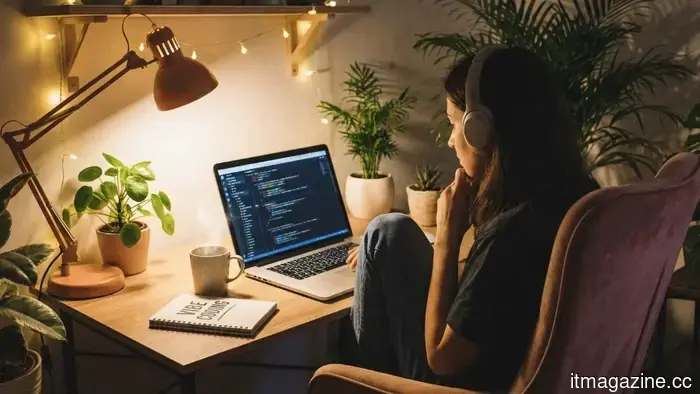 Vibe coding led to an 84% increase in App Store submissions. Apple is intensifying its enforcement.
AI-driven coding tools have led to an 84% increase in App Store submissions over the past quarter, causing review times to extend to 30 days. Apple has begun to remove apps that do not comply with its self-containment guidelines.
Vibe coding led to an 84% increase in App Store submissions. Apple is intensifying its enforcement.
AI-driven coding tools have led to an 84% increase in App Store submissions over the past quarter, causing review times to extend to 30 days. Apple has begun to remove apps that do not comply with its self-containment guidelines.
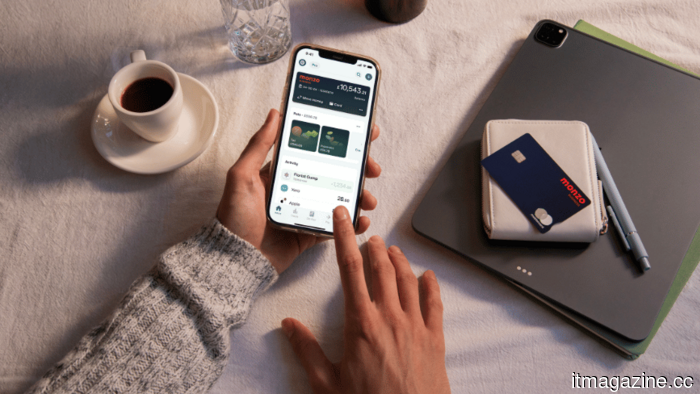 Monzo exits the US market to concentrate on Europe in anticipation of a London IPO | TNW
Monzo will be shutting down its US accounts by June 2026 and reducing its workforce by 50 positions. Just three months after obtaining an EU banking license, the UK fintech is now prioritizing an IPO in London.
Monzo exits the US market to concentrate on Europe in anticipation of a London IPO | TNW
Monzo will be shutting down its US accounts by June 2026 and reducing its workforce by 50 positions. Just three months after obtaining an EU banking license, the UK fintech is now prioritizing an IPO in London.
 Italian court mandates refunds from Netflix following a ruling that deemed price increases unlawful | TNW
The Court of Rome has declared that Netflix's price increases since 2017 were illegal according to EU consumer regulations. Italian subscribers might be entitled to refunds of up to €500.
Italian court mandates refunds from Netflix following a ruling that deemed price increases unlawful | TNW
The Court of Rome has declared that Netflix's price increases since 2017 were illegal according to EU consumer regulations. Italian subscribers might be entitled to refunds of up to €500.
 The Galaxy S26 Ultra is impressive, but its two-year-old counterpart is still performing well for me.
I'm fine where I currently am.
The Galaxy S26 Ultra is impressive, but its two-year-old counterpart is still performing well for me.
I'm fine where I currently am.
The Galaxy S26 Ultra is impressive, but its two-year-old counterpart is still performing well for me.
I'm content with my current situation for the time being.