
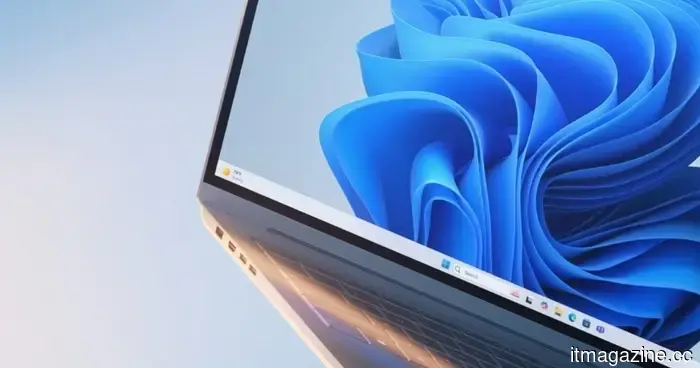
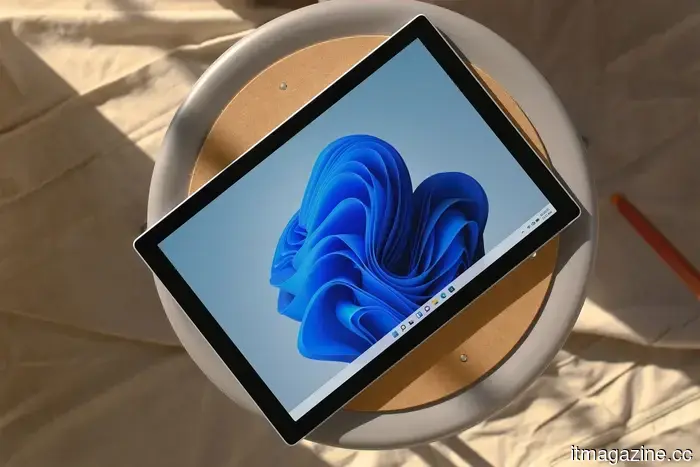
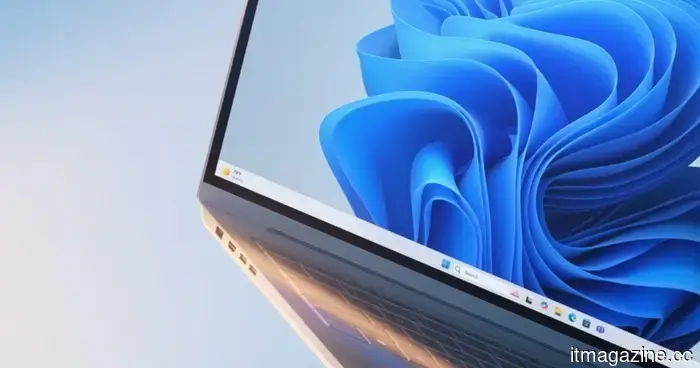
Windows 11 is reintroducing a feature that users have desired for many years.
You will soon have the option to relocate the taskbar to the top or sides again.
Microsoft is finally addressing one of the most frustrating limitations of Windows 11: the inability to move the taskbar. As part of a larger effort to enhance quality, the company has announced that users will soon be able to shift the taskbar to the top or sides of the screen, rather than being confined to the bottom.
This update is currently in testing and will first be available to Windows Insiders before it is released to all users later this year. It signifies the return of a feature that had been part of Windows for many years but was removed with the redesign of Windows 11 in 2021, a change that received significant backlash from long-time users.
Why is Microsoft reintroducing this feature now?
In simple terms, users have persistently requested it. Microsoft states that the ability to reposition the taskbar has been one of the most highly sought-after features since the launch of Windows 11. The company is now attempting to restore trust by prioritizing usability and customization rather than merely adding new features.
The original exclusion of taskbar movement stemmed from a complete redesign based on Windows 10X, which eliminated several legacy features for a cleaner look. However, that decision ultimately stripped away functionality that many users depended on regularly. Now, it appears that Microsoft is reevaluating its approach by gradually reinstating features that enhanced Windows' flexibility in the first place.
How will the movable taskbar function?
The updated taskbar will provide users the flexibility to position it at the top, left, or right edges of the screen, in addition to the default bottom location. Instead of dragging it as in older Windows versions, early previews indicate that users will have quick options (Top, Left, Right, Bottom) available via settings or right-click controls to change its position.
This may seem like a minor change, but for many users, particularly those with ultrawide monitors or multi-display setups, where the taskbar is situated can greatly impact workflow and ease of use. Fundamentally, this update is about restoring something that users never wanted to lose rather than introducing new features. In a version of Windows that often emphasizes design over versatility, this represents a significant shift.
Varun is an experienced tech journalist and editor with over eight years in consumer technology media. His work covers...
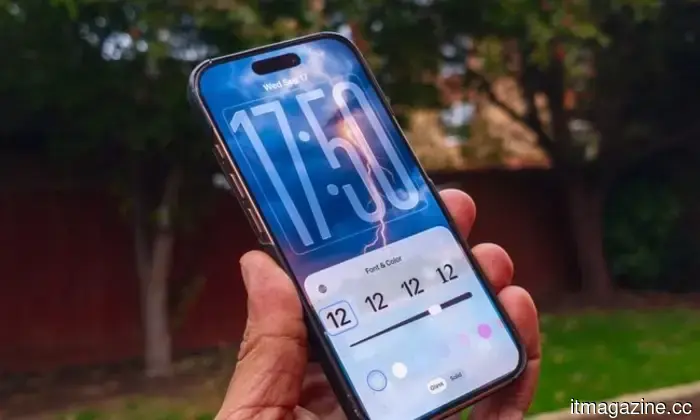
iOS 26.4 introduces mood-based Music widgets for your iPhone's home screen.
The new Ambient Music widgets in iOS 26.4 transform your iPhone Home Screen into a one-tap mood board—though this feature is available only to Apple Music subscribers.
If you've ever unlocked your iPhone at midnight seeking a sleep playlist while still half asleep, Apple's iOS 26.4 can simplify that process. The release candidate for iOS 26.4 has arrived, and it includes a feature called Ambient Music widgets. These are playlists based on mood that can be played with a single tap on your home screen (via the widget).
Cloudflare CEO predicts that AI bots could potentially outnumber humans online by 2027.
The increasing prevalence of bots is transforming the web.
The internet you use every day might soon be dominated by artificial intelligence. Cloudflare CEO Matthew Prince has stated that AI bots may start generating more traffic than humans within the next couple of years, indicating a major change in how the web operates. In a conversation with TechCrunch, Prince mentioned that bot activity is accelerating rapidly, as AI systems navigate and interact with websites on a large scale.
Microsoft is reducing the "bloat" from Copilot in Windows 11.
The company intends to be more deliberate about where AI appears.
Microsoft is reevaluating how much AI is necessary in Windows 11, leading to a reduction in Copilot features. As part of a broader initiative to improve the quality of Windows, the company plans to decrease the number of Copilot entry points across the operating system and its applications. According to Microsoft, this reduction will begin with applications such as Photos, Notepad, Widgets, and the Snipping Tool, where Copilot integrations had started to seem excessive. This adjustment is part of a wider shift in Microsoft's strategy to move away from aggressively embedding AI everywhere and towards integration in areas where it actually adds value.
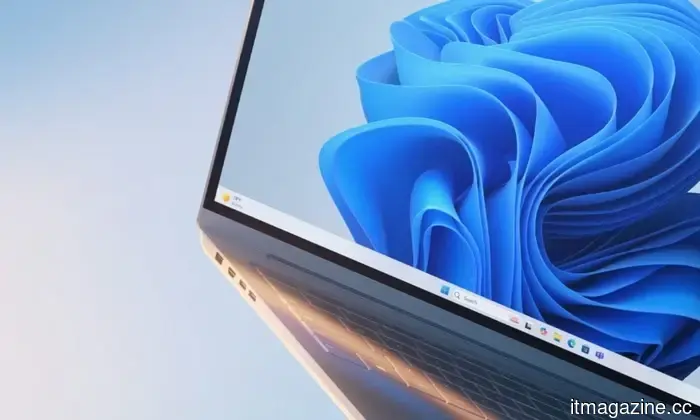
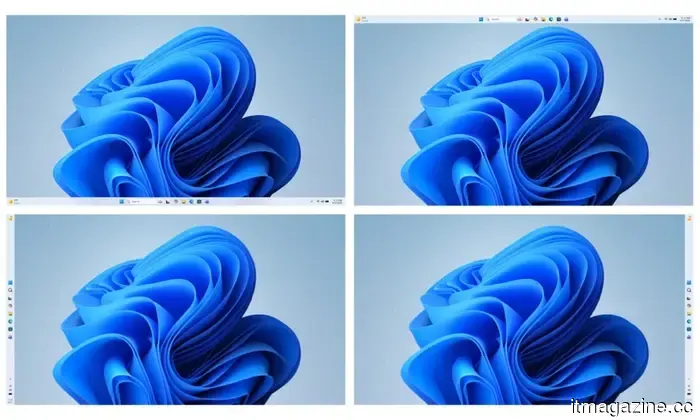
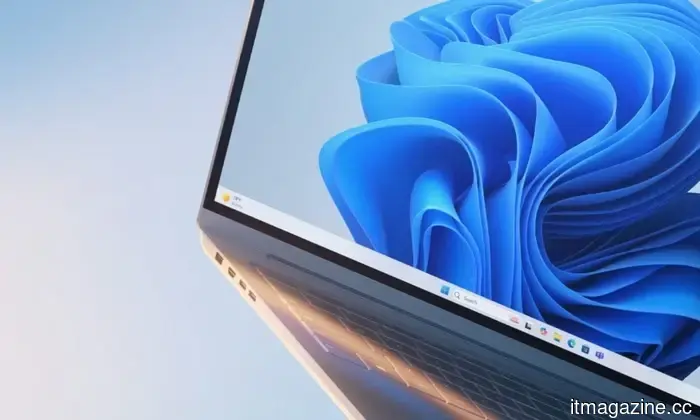

Windows 11 is reintroducing a feature that users have desired for many years.
Windows 11 will soon allow users to reposition the taskbar to the top or sides, restoring a customization feature that many have requested for a long time.