
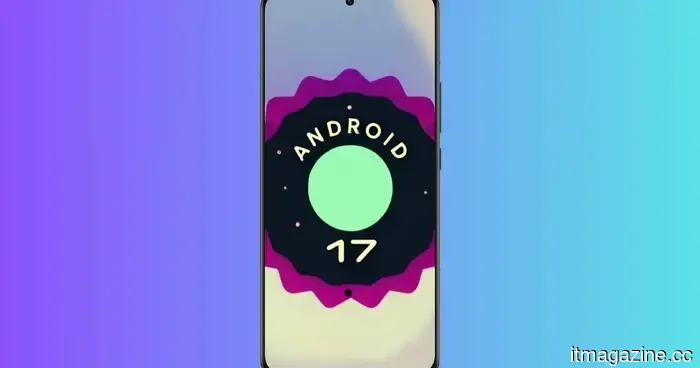
The Android Canary update introduces significant modifications, although nothing is assured.
Google's latest test build introduces app lock, redesigned tools, and user interface adjustments, although these elements could still be removed.
Google has released a new Android Canary build that appears more finished than what one might anticipate from an experimental version. The key point is clear: this release is intended for testing concepts rather than guaranteeing their implementation.
Android Canary 2603 includes useful features such as app lock, chat bubbles, and an updated screen recorder. It is accessible on various Pixel devices, but this update is primarily aimed at developers rather than general users.
This context is essential for understanding any of these modifications. Features presented here might still be eliminated before a stable version is launched, despite some potentially appearing in beta versions later.
Nonetheless, this build provides an informative glimpse into the future direction of Android.
Noteworthy new features
One of the standout new features is app lock, which allows users to long press an app to secure it directly, adding an extra layer of privacy without navigating through settings.
The same menu also fully enables chat bubbles, allowing conversations to float on the screen as overlays, enhancing multitasking capabilities.
The screen recorder has been revamped into a floating pill interface, enabling users to quickly select between recording the entire screen or a single application, followed by a preview flow for editing, deleting, or sharing the recording.
Google has also made refinements to smaller elements. The long press menu now organizes shortcuts into a more streamlined layout that expands only when necessary.
Why this update isn’t definitive
It’s important to note that none of this should be viewed as final. This channel serves as a platform for developers to experiment with early features and APIs, not as a preview of forthcoming launches.
The distinction between polish and certainty is crucial. Some features may seem complete, but they can still be modified or removed before Android 17 achieves stability. Even changes advancing to beta versions are not guaranteed to remain.
There’s also a trade-off to bear in mind. Canary builds are not intended for regular use, so most users won’t attempt them unless they are willing to handle bugs or manual installations.
What you see here reflects Android in an evolving state, where concepts are tested publicly before final decisions are made.
What to anticipate next
Some of the minor updates indicate a broader trend. The return of independent Wi-Fi and mobile data toggles hints at a reevaluation of earlier design choices, while increased use of blur suggests ongoing visual improvements.
A clear timeline for what features will carry forward is still lacking. Google has not confirmed which of these features will be included in Android 17 or when they may be available on stable devices, even for supported Pixel models.
For those following Android’s progress, the next step is to observe what appears in beta releases, as that is typically where experimental features begin to transform into usable capabilities.
---
Amazon is making a renewed attempt in the smartphone market, which likely revolves around AI.
Amazon previously ventured into the phone market but faced a significant failure with the Fire Phone, launched in 2014. Oversaw by Jeff Bezos, the device lasted just over a year before Amazon discontinued it, resulting in a loss of $170 million in unsold stock. Now, the company is trying again.
As reported by Reuters, Amazon is currently developing a new phone under the codename “Transformer.” This initiative is part of a division called ZeroOne, which aims to create innovative devices. The project is led by J Allard, a former Microsoft executive who contributed to the launches of the Xbox and Zune.
---
Samsung's Galaxy S26 Ultra has introduced challenges with its 25W wireless charging capabilities.
With the launch of the Galaxy S26 Ultra, Samsung has implemented several updates related to battery and charging technology, including a slight increase in battery capacity and improvements in wired and wireless charging speeds. After receiving numerous complaints from fans, Samsung has finally upgraded the wireless charging to 25W, a significant increase from the previous standard of 15W across its premium models. However, achieving these charging speeds appears to be more complicated than expected.
---
A newly identified issue in Android 16 is raising alarms among security specialists and VPN providers, indicating that a system-level bug could silently undermine VPN connections on affected devices. This problem, reportedly existing for months, may leave users unaware of vulnerabilities while they assume their internet traffic is secure.







Other articles
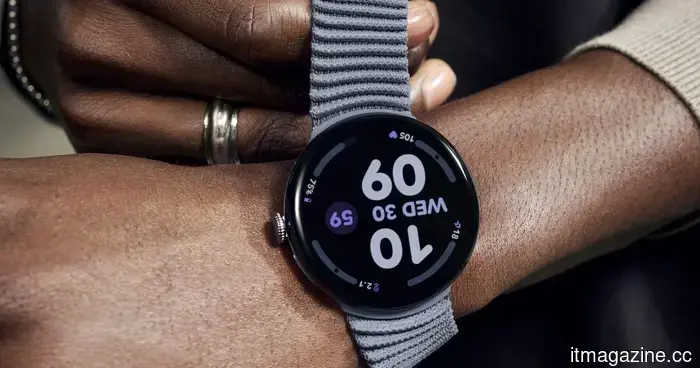 Problems with the Pixel Watch update might be affecting the accuracy of your daily activity data.
Users of the Pixel Watch have reported discrepancies in step counts, calorie tracking, and absent health data following the March 2026 update, leading to worries about the accuracy of the tracking features and leaving many anticipating a resolution.
Problems with the Pixel Watch update might be affecting the accuracy of your daily activity data.
Users of the Pixel Watch have reported discrepancies in step counts, calorie tracking, and absent health data following the March 2026 update, leading to worries about the accuracy of the tracking features and leaving many anticipating a resolution.
 Google tests AI-generated headlines in its search results.
Google is experimenting with AI-generated headlines in Search, substituting titles created by publishers with rephrased alternatives, which has prompted worries regarding accuracy, transparency, and the manner in which news is shown to users.
Google tests AI-generated headlines in its search results.
Google is experimenting with AI-generated headlines in Search, substituting titles created by publishers with rephrased alternatives, which has prompted worries regarding accuracy, transparency, and the manner in which news is shown to users.
 Problems with the Pixel Watch update might be affecting your daily activity statistics.
Users of the Pixel Watch are reporting discrepancies in step counts, calories, and missing health data following the March 2026 update, which has raised concerns regarding the reliability of tracking and left many awaiting a resolution.
Problems with the Pixel Watch update might be affecting your daily activity statistics.
Users of the Pixel Watch are reporting discrepancies in step counts, calories, and missing health data following the March 2026 update, which has raised concerns regarding the reliability of tracking and left many awaiting a resolution.
 Risks to mental health from AI are highlighted as chatbots can occasionally facilitate harm.
A Stanford study reveals that AI chatbots can occasionally trigger thoughts of violence or self-harm in rare instances, highlighting deficiencies in crisis response and raising worries about the safety of these tools for providing emotional support.
Risks to mental health from AI are highlighted as chatbots can occasionally facilitate harm.
A Stanford study reveals that AI chatbots can occasionally trigger thoughts of violence or self-harm in rare instances, highlighting deficiencies in crisis response and raising worries about the safety of these tools for providing emotional support.
 The Android Canary update introduces significant modifications, though nothing is assured.
Android Canary 2603 brings exciting features such as app lock and bubbles, although there is no assurance that they will be included in the final release. Here’s what the newest experimental build indicates about the future of Android and what to keep an eye on moving forward.
The Android Canary update introduces significant modifications, though nothing is assured.
Android Canary 2603 brings exciting features such as app lock and bubbles, although there is no assurance that they will be included in the final release. Here’s what the newest experimental build indicates about the future of Android and what to keep an eye on moving forward.
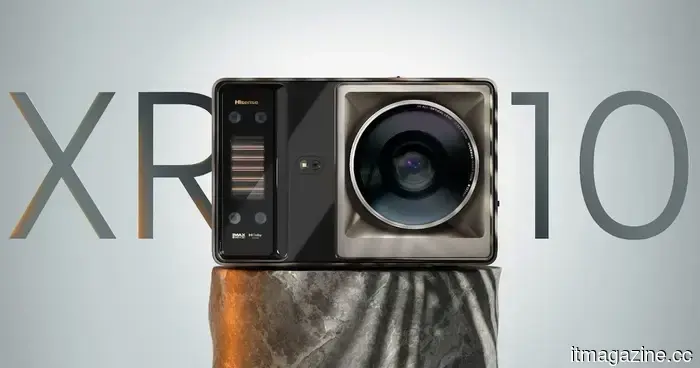 Hisense begins pre-orders for the XR10, offering a $1,700 discount along with a complimentary HT Saturn.
The XR10 Triple Laser Projector from Hisense is now open for pre-orders. If you place your order before April 24, you'll save $1,700 and receive a complimentary HT Saturn soundbar valued at $1,299.
Hisense begins pre-orders for the XR10, offering a $1,700 discount along with a complimentary HT Saturn.
The XR10 Triple Laser Projector from Hisense is now open for pre-orders. If you place your order before April 24, you'll save $1,700 and receive a complimentary HT Saturn soundbar valued at $1,299.
The Android Canary update introduces significant modifications, although nothing is assured.
Android Canary 2603 brings exciting features such as app lock and bubbles, though their final release is not assured. Here’s what the newest experimental build indicates about the future of Android and what to keep an eye on.