
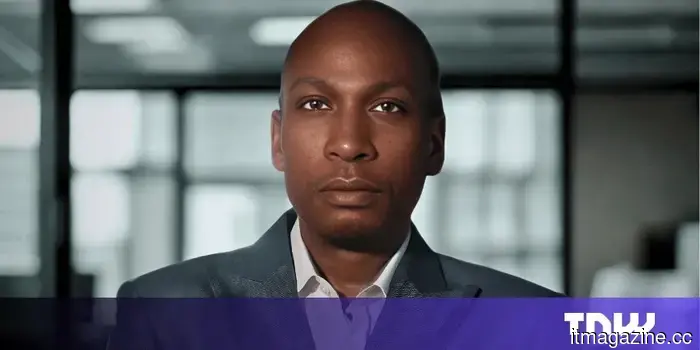
Revealing the false sense of security in the online world
The worldwide cost of cybercrime exceeds billions of dollars each year, with phishing, personal data breaches, and extortion contributing significantly to these losses. Cordell Robinson, CEO of Brownstone Consulting Firm, emphasizes that the extent of financial repercussions calls for a reassessment of priorities. “Personal protection is no longer optional, and it cannot be outsourced,” he states.
As emerging technologies gain traction in 2026, Robinson argues that individuals must take responsibility for their own protection against new threats in the realm of cybercrime. He believes that the risk has been greatly increased by social media. “Social media can be very contagious and addictive,” he comments. “Now, we are voluntarily sharing our private information because of it.” He sees platforms intended for connection as valuable intelligence sources for criminals.
“Details like names, birthdays, family information, travel patterns, and purchasing behaviors are becoming publicly available,” Robinson observes. “How can we be certain that this information won’t be misused if it falls into the wrong hands?”
Research indicates that over 60% of data breaches involve a human component, such as malware interaction, social actions leading to phishing, and credential misuse. Robinson highlights that individuals often think danger arises only when sensitive information appears publicly.
He warns that this assumption is incorrect. “People think, ‘Who’s going to scroll through years of posts?’” he remarks. “But they don’t need to. Now, AI tools can gather and analyze a decade’s worth of content within seconds.” This notion is supported by data revealing that 1 in 6 data breaches now involve attackers using AI-generated phishing or deepfake tactics.
Robinson also points out that artificial intelligence has transformed the economics of cybercrime, making tasks that previously demanded time and persistence now merely a matter of intent. Images shared without a visible address can still be geolocated.
“If a house has ever been listed online, there are photographs available. AI can locate it without an address,” he explains. He believes that efforts to hide details, like covering a school name or house number in an image, offer minimal protection, as AI cross-referencing can efficiently fill in those gaps.
According to Robinson, influencer culture may significantly contribute to a misleading sense of security. High-profile creators and public figures often share details about their wealth, locations, and lifestyles without apparent negative consequences.
As the general public may view this behavior as safe, Robinson encourages recognition of the difference. He states, “Influencers and brands are businesses. They have cyber teams, physical security, account managers, and risk protocols. Their experiences are different from those of the average person.”
He emphasizes that what audiences observe online may frequently be staged or not a true representation of reality. Vehicles, homes, routines, and lifestyles presented online may not accurately depict actual situations. “For private individuals, emulating such behaviors can lead to vulnerabilities without the protections that influencers possess,” he states, stressing that the greater issue lies in misplaced imitation. “Visibility without security measures creates exposure,” he adds.
This exposure may be worsened by oversharing, which often goes beyond photos and posts. Robinson refers to viral quizzes and surveys that ask seemingly innocuous questions. “It could be simple things like favorite colors, birthdays, schools attended, or first jobs,” he notes. “But those can often serve as password recovery questions. Once that information is public, it can be legally collected and utilized.” Although many people blame platforms for data exploitation, Robinson points out that users often provide the information willingly.
Another risk that is commonly overlooked relates to past content. He believes that while many users have become more cautious in recent years, they seldom revisit what they shared in their 20s or early 30s. Robinson advocates for careful management of one’s digital presence. “If you don’t monitor your digital footprint, someone else will,” he advises. “Old posts still contain context, patterns, and identifiers that can be exploited. Curate your digital presence so you can maintain control.”
He also notes that privacy settings offer limited protection. Content shared with “friends” can still be distributed, screenshotted, or shared without consent. Once information leaves its original account, control is essentially lost. “Think before you post,” Robinson warns. “You never know the personal impacts it may have on your safety, finances, or identity.”
Robinson's insights are not made lightly; they stem from years of experience. Since founding Brownstone Consulting Firm in 2010, he has dedicated his professional life to helping organizations reduce cyber risk. He observes a stark imbalance: organizations invest heavily in security, while individuals often rely on hope and default platform settings. As he says, “Most people don’t have a security professional watching their backs. This means they must adopt a security mindset themselves.”
In his perspective, the solution lies in awareness and deliberate behavior. Social media can remain a valuable and engaging tool when approached as a public space rather than a personal diary
Other articles
 DealFlowAgent secures $750,000 to automate mergers and acquisitions for small businesses.
Long Journey Ventures supports DealFlowAgent, a London-based AI investment bank aiming to facilitate $10 trillion in business exits for baby boomers.
DealFlowAgent secures $750,000 to automate mergers and acquisitions for small businesses.
Long Journey Ventures supports DealFlowAgent, a London-based AI investment bank aiming to facilitate $10 trillion in business exits for baby boomers.
 Netflix acquires Ben Affleck's AI film production startup.
Netflix has purchased InterPositive, an AI filmmaking startup founded by Ben Affleck. This acquisition comes as Hollywood unions gear up for a new round of negotiations.
Netflix acquires Ben Affleck's AI film production startup.
Netflix has purchased InterPositive, an AI filmmaking startup founded by Ben Affleck. This acquisition comes as Hollywood unions gear up for a new round of negotiations.
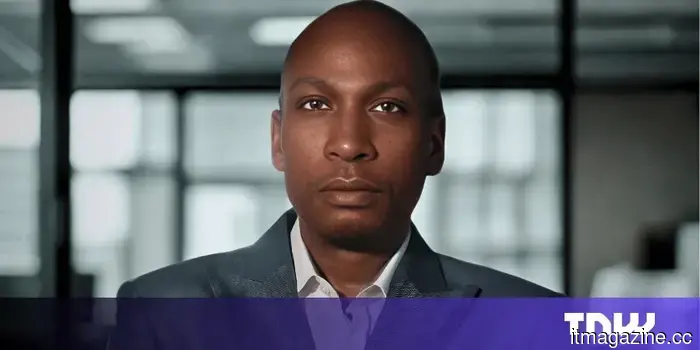 Revealing the false sense of security on the internet
Oversharing on social media is leading to increased cyber risks. Security specialist Cordell Robinson discusses how artificial intelligence and personal information are making users more vulnerable.
Revealing the false sense of security on the internet
Oversharing on social media is leading to increased cyber risks. Security specialist Cordell Robinson discusses how artificial intelligence and personal information are making users more vulnerable.
 Google has simplified the use of Gmail and Drive for AI agents.
Google's latest Workspace CLI integrates Gmail, Drive, and Calendar for AI agents, featuring built-in support for OpenClaw and MCP integration from the start.
Google has simplified the use of Gmail and Drive for AI agents.
Google's latest Workspace CLI integrates Gmail, Drive, and Calendar for AI agents, featuring built-in support for OpenClaw and MCP integration from the start.
 Incorrect business listings are silently leading companies to lose customers.
Moz Local synchronizes business information across more than 90 directories, keeps track of reviews, and monitors local rankings, starting at $16 per month for each location.
Incorrect business listings are silently leading companies to lose customers.
Moz Local synchronizes business information across more than 90 directories, keeps track of reviews, and monitors local rankings, starting at $16 per month for each location.
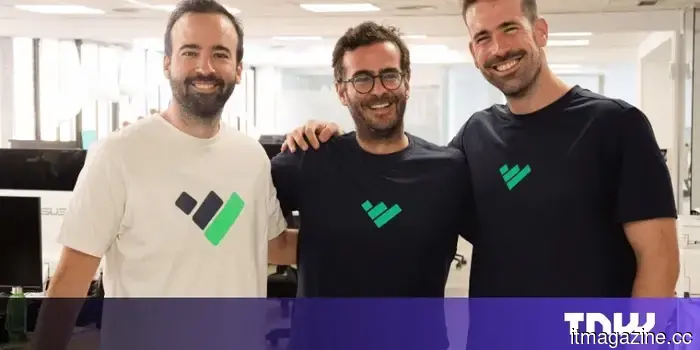 TaxDown receives €4M in funding to enhance its AI tax platform.
Madrid-based fintech TaxDown obtained €4M in debt from BBVA Spark, marking its second €4M agreement within a year, and is now expanding its AI technology into Latin America.
TaxDown receives €4M in funding to enhance its AI tax platform.
Madrid-based fintech TaxDown obtained €4M in debt from BBVA Spark, marking its second €4M agreement within a year, and is now expanding its AI technology into Latin America.
Revealing the false sense of security in the online world
Oversharing on social media is generating new cyber threats. Security specialist Cordell Robinson discusses how artificial intelligence and personal information are making users more vulnerable to attacks.