
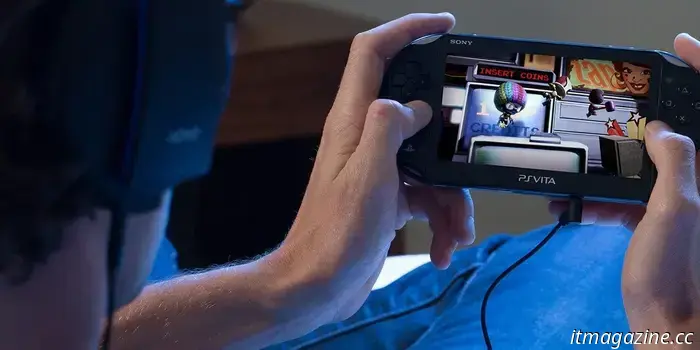
If the PS6 does incorporate a handheld, Sony has the opportunity to draw inspiration from various sources this time around.
The PlayStation 5 continues to lead the current console generation, but the PS6 isn't as distant as it might seem.
Sony's next console is anticipated to begin production in 2027, with a launch expected at the year's end. It may introduce an innovative handheld element.
Following the success of the Switch (and its successor) as well as portable PCs like the Steam Deck, there are rumors suggesting Sony might re-enter the handheld market for the first time in over a decade. While we shouldn't expect the PS6 to be a hybrid system, it’s plausible that Sony will experiment with a portable option.
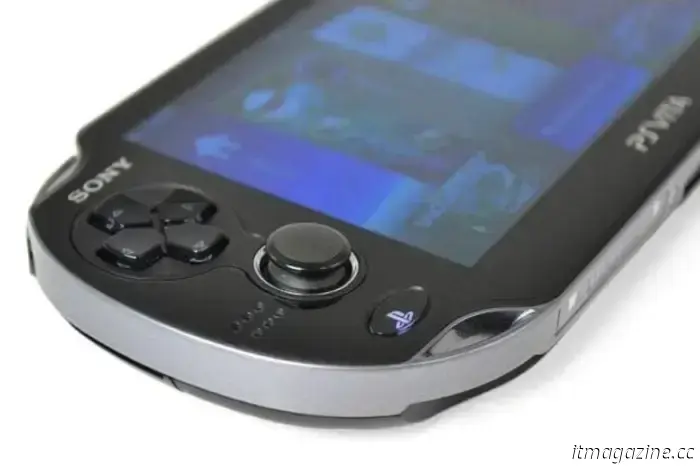
The context has shifted significantly since 2011, when the PlayStation Vita was released—so what can they do differently this time?
Looking Back
To grasp what Sony might aim for, it helps to reflect on the past. The PlayStation Portable (PSP) was truly a treat that, with the addition of another analog stick, could have directly challenged home consoles.
Launched in 2004 (at least in Japan), I lost countless hours playing titles like Tony Hawk’s Underground 2 Remix and Def Jam: Fight for NY. When the Vita debuted in 2011 (again, in Japan) and 2012 in other regions, the landscape had transformed.
The iPhone had introduced a web browser, an app store, and much more, sparking the ongoing smartphone revolution. Android was gaining traction as well, and while commuters enjoyed mobile gaming, they weren't as inclined to play full-length Uncharted games on public transport.
While the Vita could have been an excellent successor to the PSP, its arrival after such a long interval contributed to its struggle against the smartphone market.
Learning from Nintendo
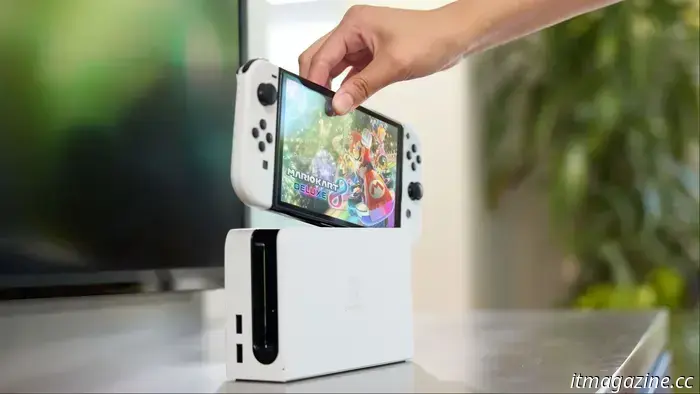
One could argue that Nintendo effectively found the balance with the original Switch. Although it wasn’t inexpensive, it represented a more affordable alternative to purchasing both a home console and a dedicated handheld, without needing to switch games when stepping out. In many respects, it felt as if Sony had paved the way for Nintendo, and while this might sound exaggerated, Nintendo is certainly in the fray now.
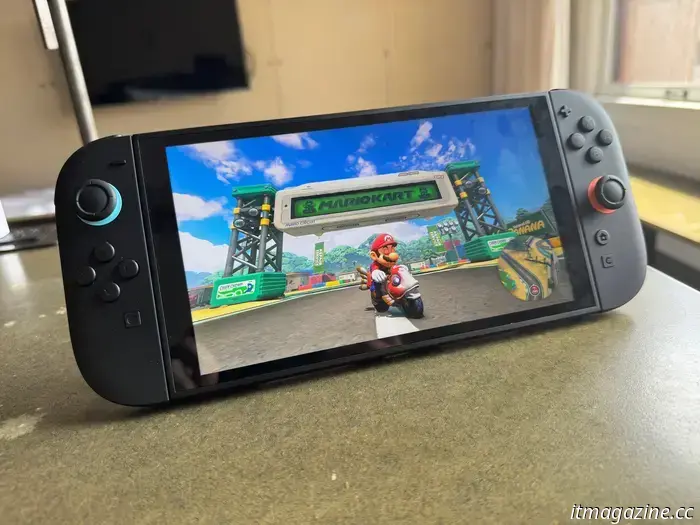
The upcoming Nintendo Switch 2, set for 2025, is essentially a more powerful version of the original and must adapt to the emergence of handheld PCs as console alternatives.
The Current Landscape
With that brief historical overview behind us, the current environment is markedly different. In this cyclical context, it might not be a bad idea for Sony to revisit its PSP strategy: delivering a console capable of playing high-quality games along with a solid library of titles.
This parallels Nintendo’s approach, as the company knows its unique appeal lies in exclusives; thus, consumers are likely to invest in a Switch 2 for titles such as Pokémon, Mario, or Zelda.
Unlike Microsoft, which aims to provide its games across various platforms, Sony boasts its own collection of intellectual properties. However, making the next God of War a handheld exclusive could be controversial—unless it’s a PlayStation 6 game that also allows mobility.
Thus, it appears any handheld feature the PS6 might develop will be integrated with a larger system for continued use at home. Insider ‘Moore’s Law is Dead’ has suggested that PlayStation’s recent emphasis on low-power mode might be a preparatory move for accommodating a PS6 handheld.
“It is becoming glaringly obvious that Low-Power mode is a Trojan Horse for getting PS6 Handheld support ready before its launch, and they honestly seemed a bit annoyed at how few devs directly support it so far,” a source indicated.
While one could argue that devices like the Steam Deck and other handheld PCs, such as the Asus ROG Ally, defy this trend since they’re not hybrids, they allow you to enjoy a sufficient version of your favorite games and then switch to your PC or Xbox when you return home to utilize cloud saves.
As The Joker says in The Dark Knight, “there’s no going back, you’ve changed things.” The Switch initiated a competition to blend portability with power efficiency in gaming, leading various manufacturers, including Lenovo, Asus, and MSI, to innovate in squeezing more performance from their hardware without compromising battery life.
Is Sony ready for this level of competition on the upcoming console? I believe they have a better shot than many would think. We were all taken aback when it was announced that the Switch 2 would incorporate some form of DLSS 4.0, given that Nintendo typically doesn’t lead in hardware advancements. However, this is Sony we’re discussing.
While the Vita had its limitations, it featured an impressive OLED display for its time. Sony is the company responsible for Blu-Ray technology, which integrated a DVD player into the PS2, and it stood out this generation by releasing the PS5 Pro as a mid-cycle upgrade.
Additionally, the ongoing collaboration with AMD is enhancing upscaling capabilities for the PS5 Pro and is expected to aid in achieving further efficiency improvements.
There's also the consideration that Sony has
Other articles
 OpenAI is looking to hire an individual to manage unpredictable risks associated with ChatGPT.
OpenAI is offering a competitive salary and equity to recruit a Head of Preparedness responsible for foreseeing and mitigating significant risks associated with ChatGPT as the technology advances.
OpenAI is looking to hire an individual to manage unpredictable risks associated with ChatGPT.
OpenAI is offering a competitive salary and equity to recruit a Head of Preparedness responsible for foreseeing and mitigating significant risks associated with ChatGPT as the technology advances.
 This camera innovation may soon allow you to capture images with everything in sharp focus.
Researchers at Carnegie Mellon University have created a novel lens that can maintain focus on every aspect of a scene.
This camera innovation may soon allow you to capture images with everything in sharp focus.
Researchers at Carnegie Mellon University have created a novel lens that can maintain focus on every aspect of a scene.
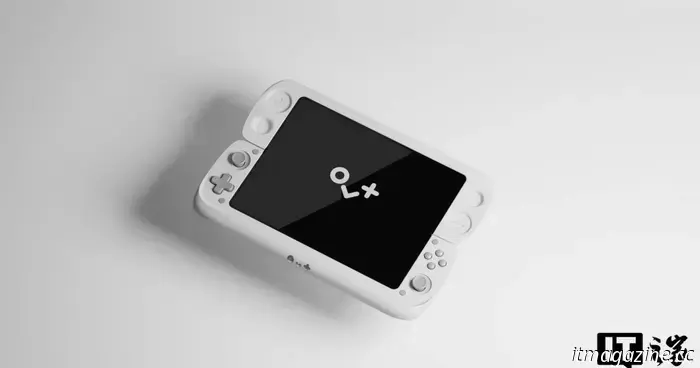 This portable gaming device will enable you to have a large 8-inch display conveniently in your pocket.
The OneXSugar Wallet is a forthcoming gaming handheld that includes an 8.01-inch folding OLED display, designed in a retro clamshell style.
This portable gaming device will enable you to have a large 8-inch display conveniently in your pocket.
The OneXSugar Wallet is a forthcoming gaming handheld that includes an 8.01-inch folding OLED display, designed in a retro clamshell style.
 The Exynos 2600 may offer enhanced on-device AI performance for the Galaxy S26 series.
Samsung is said to have teamed up with Nota AI to improve the on-device AI features of the Exynos 2600.
The Exynos 2600 may offer enhanced on-device AI performance for the Galaxy S26 series.
Samsung is said to have teamed up with Nota AI to improve the on-device AI features of the Exynos 2600.
 If this leak about the S26 Ultra is accurate, your portraits might appear more natural.
A leak regarding the Galaxy S26 Ultra camera is presenting a clear proposition: photographs of people that resemble the individual in front of you more accurately, rather than a warmer, yellow-tinted version. This information originates from a post by tipster Ice Universe, indicating that Samsung is adjusting both its color calibration and the camera's optics. The same […]
If this leak about the S26 Ultra is accurate, your portraits might appear more natural.
A leak regarding the Galaxy S26 Ultra camera is presenting a clear proposition: photographs of people that resemble the individual in front of you more accurately, rather than a warmer, yellow-tinted version. This information originates from a post by tipster Ice Universe, indicating that Samsung is adjusting both its color calibration and the camera's optics. The same […]
 Your customized Xbox controller is more intricate than you think; I had a conversation with the person who created it.
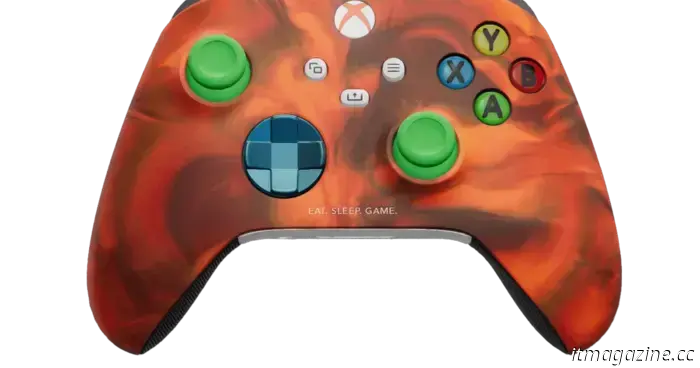
Levi Patterson reveals the advanced 3D-to-factory platform he has developed, which allows for customized designs for prominent brands such as Xbox, Carhartt, and Hydro Flask.
Your customized Xbox controller is more intricate than you think; I had a conversation with the person who created it.
Levi Patterson reveals the advanced 3D-to-factory platform he has developed, which allows for customized designs for prominent brands such as Xbox, Carhartt, and Hydro Flask.
If the PS6 does incorporate a handheld, Sony has the opportunity to draw inspiration from various sources this time around.
Sony can gain insights not only from the Vita but also from its competitors.