
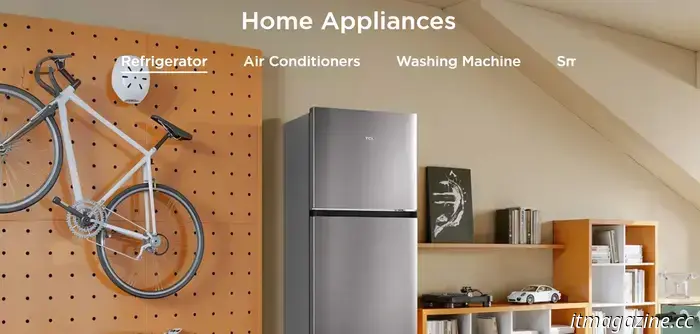
TCL associates the implementation of AI with improvements in efficiency and environmentally friendly production.
Credit: TCL
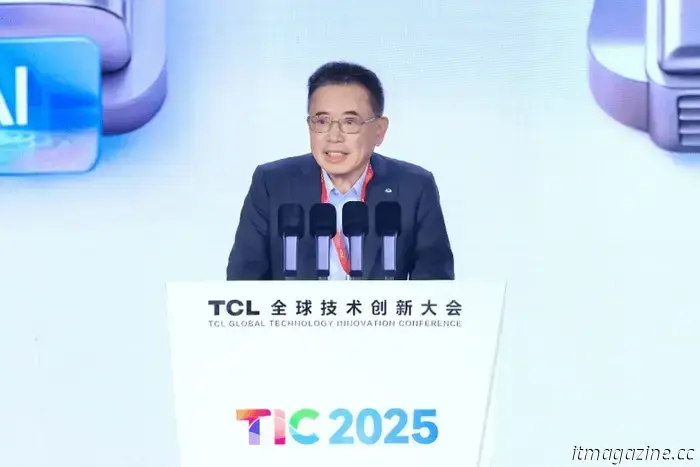
This month, TCL presented its latest AI applications at the 2025 TCL Global Technology Innovation Conference, demonstrating how the Chinese electronics company is incorporating AI into intelligent manufacturing, consumer products, and sustainable technologies to provide concrete commercial advantages. The event highlighted the intention to move AI beyond theoretical frameworks, integrating it directly into products and industrial processes to enhance efficiency and user experience.
TCL's founder, Li Dongsheng, stated that the company's "AI for Real" strategy is designed to ensure that AI produces tangible outcomes across its operations, rather than just remaining a conceptual innovation. TCL anticipates that its AI applications will yield over $140 million in economic benefits by 2025, signifying the company's belief in AI as a primary productivity driver rather than a supplementary technology.
In manufacturing, TCL CSOT (China Star Optoelectronics Technology) introduced X-Intelligence 3.0, a large language model tailored for the display sector. This marks TCL's first domain-specific AI model with reasoning capabilities, which has reportedly led to measurable improvements, with a 20% increase in product issue analysis efficiency and a 30% boost in materials development efficiency.
Furthermore, TCL has progressed its inkjet-printed OLED technology from lab research to large-scale commercial production, aiding in the transition toward more efficient and eco-friendly display manufacturing.
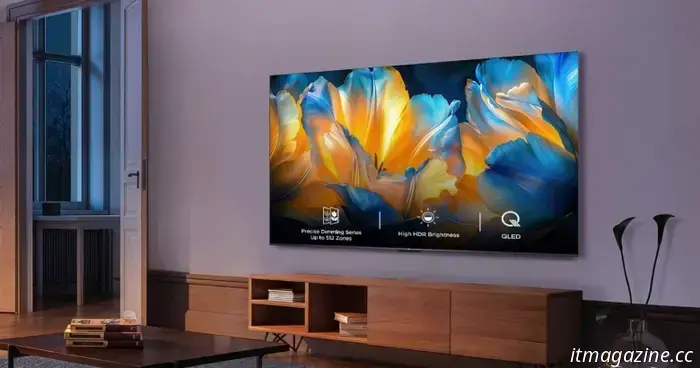
On the consumer front, TCL is infusing AI into numerous household applications. Its FreshIN air conditioners utilize AI to lower energy consumption at night, while AI-enabled refrigerators ensure accurate temperature regulation, and washing machines automatically detect fabric types and loading conditions to optimize laundry cycles. Additionally, TCL’s televisions use AI to enhance picture quality and sound in real-time for an immersive viewing experience.
Additionally, TCL is expanding AI into wearables and companion devices. The RayNeo AR glasses facilitate real-time translation and visual interaction, reducing communication barriers across languages, while the modular AI companion robot, AiMe, features emotional recognition and natural interaction capabilities.
With ongoing investments in research and development and a global collaboration network, TCL is striving for deeper integration of AI with sustainable development. By enhancing intelligence throughout the entire value chain—from materials and manufacturing to final products—the company is positioning AI as a catalyst for improved efficiency and long-term sustainability.
Other articles
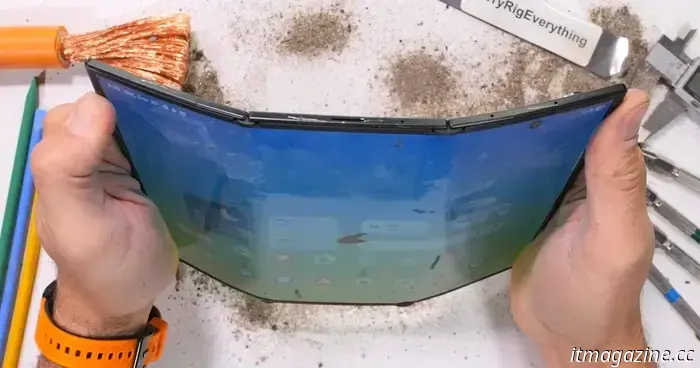 Observe Samsung's TriFold achieve an unfortunate milestone in this durability test.
Zack Nelson's Christmas present to his 9.7 million YouTube followers was a durability test of Samsung's TriFold smartphone. "Occasionally, a piece of tech arrives on my desk that nearly makes me feel guilty about what's going to happen... almost," says the creator behind JerryRigEverything at the beginning of the test, [...]
Observe Samsung's TriFold achieve an unfortunate milestone in this durability test.
Zack Nelson's Christmas present to his 9.7 million YouTube followers was a durability test of Samsung's TriFold smartphone. "Occasionally, a piece of tech arrives on my desk that nearly makes me feel guilty about what's going to happen... almost," says the creator behind JerryRigEverything at the beginning of the test, [...]
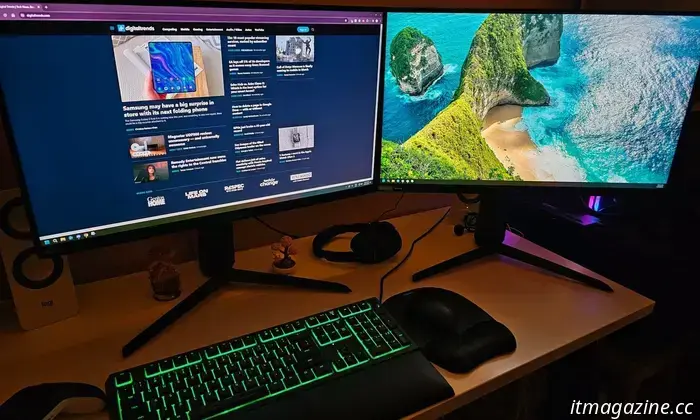 This leaked Lenovo Yoga Mini i might be your most lightweight Copilot+ desktop.
According to Windows Latest, Lenovo is developing the Yoga Mini i, a 600g cylindrical mini PC. The information suggests that it will feature an Intel Core Ultra X7 358H and the capability to support up to four high-resolution displays.
This leaked Lenovo Yoga Mini i might be your most lightweight Copilot+ desktop.
According to Windows Latest, Lenovo is developing the Yoga Mini i, a 600g cylindrical mini PC. The information suggests that it will feature an Intel Core Ultra X7 358H and the capability to support up to four high-resolution displays.
TCL associates the implementation of AI with improvements in efficiency and environmentally friendly production.
This month, TCL presented its newest AI applications at the 2025 TCL Global Technology Innovation Conference, highlighting how the Chinese electronics manufacturer