
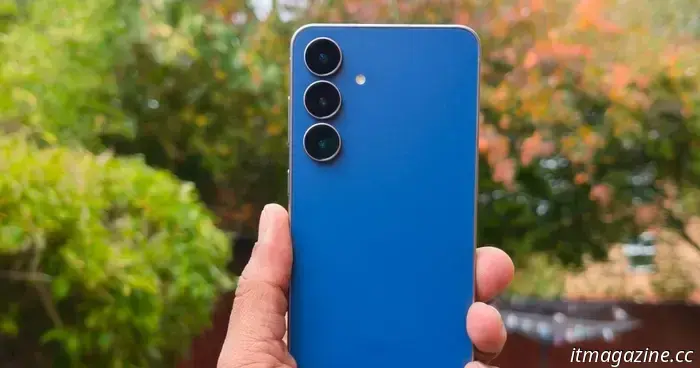
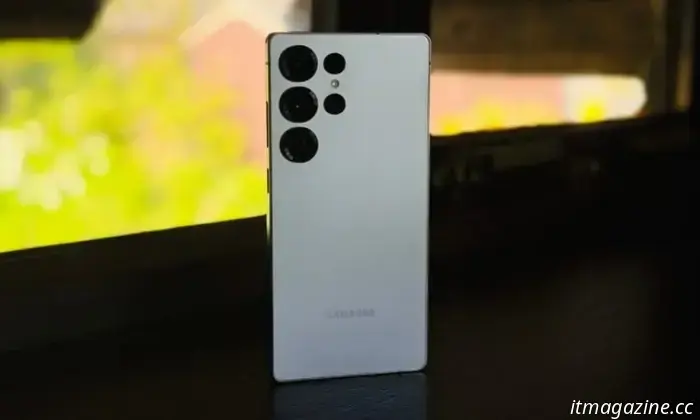
The Samsung Galaxy S26 might not provide the camera enhancements you’re anticipating.
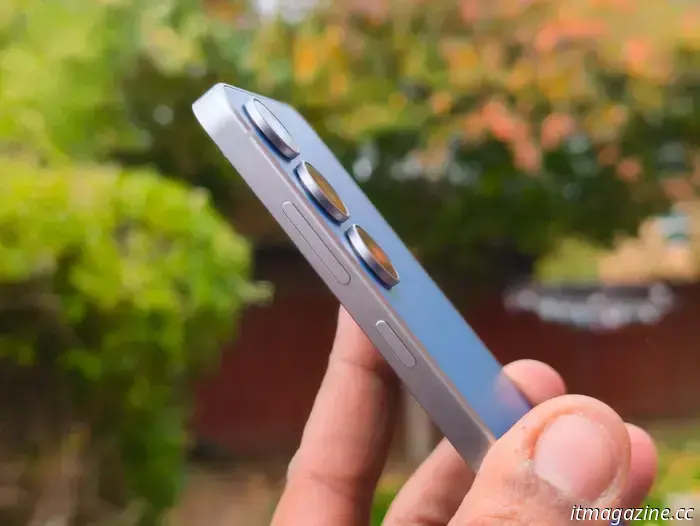
Samsung's upcoming flagship is likely to retain the same camera hardware as the Galaxy S25.
Recent reports from South Korea indicate that the base model of the Samsung Galaxy S26 will probably not receive the camera upgrade that was initially anticipated. This decision appears to be influenced by a variety of factors, including increasing costs of semiconductors and memory, disappointing demand for the S25 Edge model, and a broader market landscape that takes into account the pricing of rival devices.
Reasons behind Samsung's decision
Due to rising costs in memory and semiconductors, incorporating new camera hardware is becoming more expensive for Samsung. Furthermore, the sales performance of the Galaxy S25 Edge did not meet expectations, leading to the cancellation of the S26 Edge and prompting the company to exercise caution with its spending on upgrades.
Additionally, Apple's pricing strategy played a role in this decision. By not increasing the price of its base iPhone 17, Apple may have influenced Samsung to postpone a price hike for its own base Galaxy S26 for another year. Retaining the existing camera hardware helps prevent an increase in costs that could necessitate raising the price.
What this means for Galaxy S26 consumers
If this report is accurate, improvements in the Galaxy S26’s camera will likely come through software enhancements enabled by the Exynos 2600 chipset, rather than through new hardware.
The choice to forgo a camera upgrade appears to have been made at the last minute, which will delay mass production of the Galaxy S26. Certain components will need to be redesigned, as they were initially created with the planned camera upgrade in mind. Consequently, only the Galaxy S26 Ultra is expected to begin mass production this month, while the S26 and S26 Plus are likely to start production towards the end of January 2026. This may explain early rumors suggesting that Samsung could delay the Galaxy S26 launch beyond its customary January timeframe.
Ultimately, it may hinge on whether Samsung can persuade consumers that invisible improvements are still worth the investment.
---
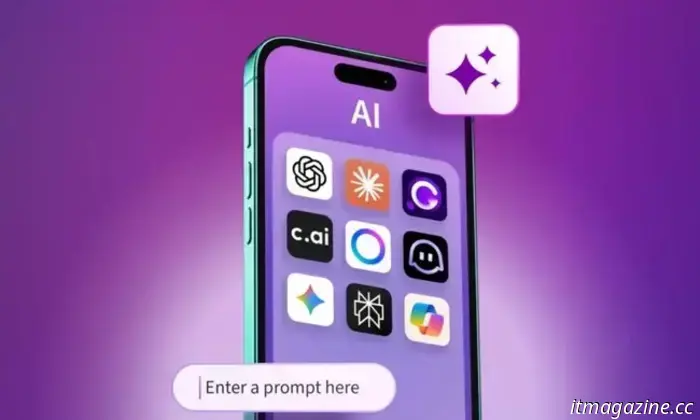
People are spending more time on Gemini compared to ChatGPT
What’s happening? The competition among AI chatbots has shifted recently. New data reveals that ChatGPT, which previously experienced rapid growth, has reached a plateau, while Google’s Gemini is gaining traction. According to Sensor Tower data, Gemini’s user base increased by 30% between August and November, during which ChatGPT exhibited minimal growth.
Although ChatGPT maintains a substantial lead with approximately 810 million monthly active users, its growth during the same period was only 6%, indicating a slowdown.
---
You can now try One UI 8.5 on your Galaxy S25
What’s happening? Samsung has launched the One UI 8.5 beta program for the Galaxy S25 series, allowing users to preview the upcoming significant software update before its official release early next year.
In a blog post, the company outlined some updates that will be part of this release, including enhancements for the Photo Assist feature, improvements to Quick Share, better device connectivity, and more.
---
Your selfies are about to improve with Google’s new touch-up tools
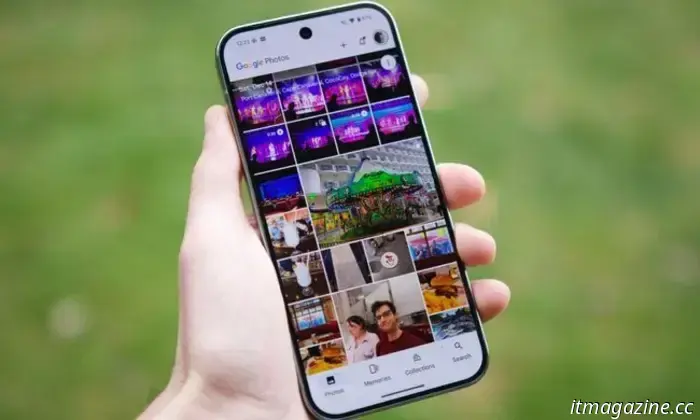
Google Photos is testing a comprehensive face editing suite that includes smoothness, teeth, eye, and lip controls. Although Google’s Camera app has previously offered "face retouching" options, the Photos app has generally avoided allowing adjustments to specific facial features. However, this is set to change. Android Authority examined the latest version of the app (7.56) and discovered a fully functional "Touch Up" mode that enables users to refine facial details even after a photo is taken.
Other articles
 OpenAI introduces its initial certification courses aimed at enhancing the skills of workers and educators.
OpenAI has introduced its inaugural certification courses, providing organized AI training for employees and educators via the OpenAI Academy and Coursera.
OpenAI introduces its initial certification courses aimed at enhancing the skills of workers and educators.
OpenAI has introduced its inaugural certification courses, providing organized AI training for employees and educators via the OpenAI Academy and Coursera.
 AI headphones that allow you to focus solely on the voices of those important to you.
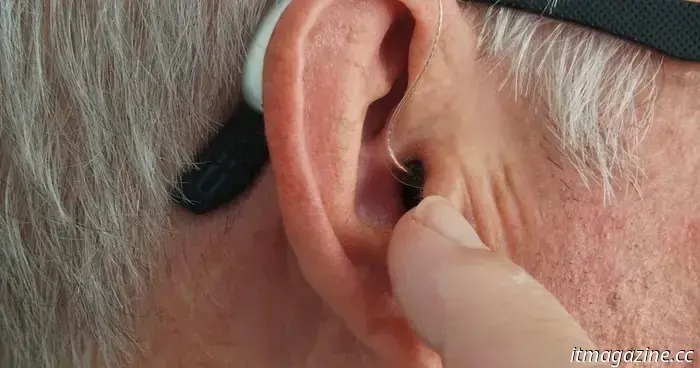
Researchers at UW have developed AI-enhanced headphones that automatically filter out background noise to isolate the voices of conversation partners, representing a significant advancement in accessibility and concentration.
AI headphones that allow you to focus solely on the voices of those important to you.
Researchers at UW have developed AI-enhanced headphones that automatically filter out background noise to isolate the voices of conversation partners, representing a significant advancement in accessibility and concentration.
 NVIDIA’s H200 has received approval, but its launch in China is still uncertain.
Following the announcement by U.S. President Donald Trump that NVIDIA's H200 AI chips could be exported to China, firms like ByteDance and Alibaba
NVIDIA’s H200 has received approval, but its launch in China is still uncertain.
Following the announcement by U.S. President Donald Trump that NVIDIA's H200 AI chips could be exported to China, firms like ByteDance and Alibaba
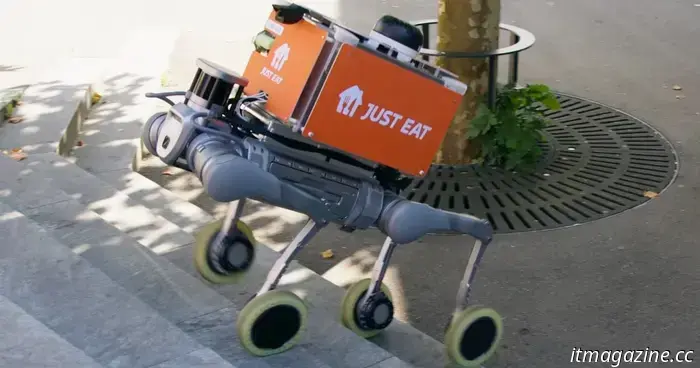 This impressive delivery robot will soon be arriving in a city in the U.S.
The majority of street delivery robots are designed as small, wheeled vehicles equipped with a secure compartment for holding delivery items. However, they face a significant challenge: they struggle with obstacles such as stairs, uneven surfaces, or other difficult terrains, which prevents them from reaching directly to a person's front door. […]
This impressive delivery robot will soon be arriving in a city in the U.S.
The majority of street delivery robots are designed as small, wheeled vehicles equipped with a secure compartment for holding delivery items. However, they face a significant challenge: they struggle with obstacles such as stairs, uneven surfaces, or other difficult terrains, which prevents them from reaching directly to a person's front door. […]
 This mobile gaming controller is discounted by $45 and is definitely worth picking up.
If you've attempted to play a "true" game on a touchscreen and struggled with the controls, this type of accessory can transform the experience entirely. The Razer Kishi Ultra securely holds your Android phone, iPhone 15/16, or iPad mini within a full-sized console-style controller, and it's currently priced at $104.99, a [...]
This mobile gaming controller is discounted by $45 and is definitely worth picking up.
If you've attempted to play a "true" game on a touchscreen and struggled with the controls, this type of accessory can transform the experience entirely. The Razer Kishi Ultra securely holds your Android phone, iPhone 15/16, or iPad mini within a full-sized console-style controller, and it's currently priced at $104.99, a [...]
 This Bluetooth-enabled Audio-Technica turntable is priced at $399 and is suitable for both vinyl and wireless audio.
If you've been wanting to explore vinyl while still enjoying the ease of wireless listening, this is a deal worth noting. The Audio-Technica AT-LP120XBT is a fully equipped, direct-drive turntable that includes Bluetooth, and it's now priced at $399, a savings of $100 from the usual $499. You receive the classic […]
This Bluetooth-enabled Audio-Technica turntable is priced at $399 and is suitable for both vinyl and wireless audio.
If you've been wanting to explore vinyl while still enjoying the ease of wireless listening, this is a deal worth noting. The Audio-Technica AT-LP120XBT is a fully equipped, direct-drive turntable that includes Bluetooth, and it's now priced at $399, a savings of $100 from the usual $499. You receive the classic […]
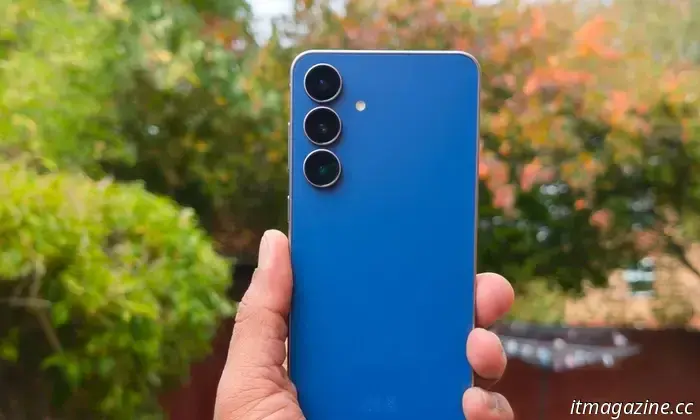
The Samsung Galaxy S26 might not provide the camera enhancements you’re anticipating.
If you anticipated a significant upgrade in camera technology for the Galaxy S26, a leak indicates that Samsung may maintain the same configuration as the S25. Rather than implementing expensive hardware modifications, enhancements could focus more on AI processing and software adjustments.