
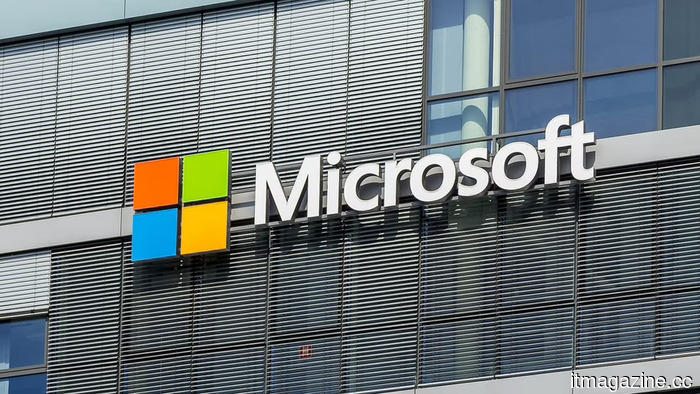
Traders are factoring in a significant movement in Microsoft shares as concerns regarding AI capital expenditures increase.
Options traders are preparing for a potential shift of approximately $190 billion in Microsoft's market capitalization following its earnings report, marking an unusually significant wager on a single financial announcement.
As reported by Reuters on July 29, the pricing indicates a possible movement of around 6.6% in either direction once the fiscal fourth-quarter figures are released. This expectation considerably exceeds Microsoft's recent performance.
During the past twelve quarters, the options market has typically estimated an average movement of 4.8%, while the actual change has averaged 4.4%. Thus, a projected 6.6% shift signifies heightened unease rather than a standard expectation.
This figure originates from the options market, where the price of bets that would benefit from a large fluctuation translates into an implied range. The 6.6% figure suggests that the market perceives the range of potential outcomes to be broader than usual.
The underlying concern is centered around AI. Investors have observed Microsoft investing significantly in data centers and chips, questioning whether this expenditure is resulting in revenue generation or merely depreciation.
The capital expenditures are substantial. In its fiscal third quarter, Microsoft’s capital spending surged by 49% year on year to $31.9 billion, part of a broader industry trend where hyperscale companies are projected to spend more on capital expenditures than they make in free cash flow by 2027, echoing Meta's multibillion-dollar data center initiatives among others.
Azure’s growth is critical for stock movement. Expansion in Microsoft’s cloud platform serves as a clear indicator of whether enterprises are genuinely purchasing AI infrastructure, and any slowdown would raise concerns that spending has outpaced demand.
The guidance provided may be more significant than the quarterly results. Investors will scrutinize Microsoft's outlook on capital expenditures for the upcoming year, as a larger investment promises increased AI capabilities but also necessitates justifying higher costs before revenue materializes.
Microsoft's stock has faced challenges this year, with shares down 18.7% in 2026 leading up to the report, while the S&P 500 has surged by 8.52%. This divergence has transformed the AI narrative from a mere assumption into a contentious debate.
The sentiment has shifted from trust to financial scrutiny. As one analyst described the situation, investors have observed AI spending and are now demanding to see tangible results, a sentiment increasingly echoed throughout the major technology sector.
To finance this expansion, Microsoft has been making cuts elsewhere, including job reductions and restructuring its Xbox division, indicating that even a corporation of its scale is adjusting its balance sheet to accommodate the costs associated with AI infrastructure.
The scrutiny extends beyond financial metrics. Microsoft’s pivotal role in the AI surge, via its cloud services and connections with OpenAI, has attracted attention from regulators and analysts alike, introducing an additional layer of risk that cannot solely be resolved by a single earnings report.
The broader market is keenly observing for insights. As one of the first major companies to report in this cycle, a significant movement in Microsoft’s stock—either upward or downward—could influence expectations for other AI-focused companies that have adopted similar spending strategies.
Whether the anticipated fluctuation will be as drastic as the options suggest remains unpredictable. However, the pricing reflects the extent of disagreement among investors; some view the AI expansion as a unique opportunity, while others question its financial viability.
The results will reveal the truth. By the time the market resumes trading, Microsoft will have provided its response, and roughly $190 billion in value will have shifted based on which side of the debate the figures support.
Другие статьи
 Смартфоны серии HUAWEI Pura90s и наушники-клипсы HUAWEI FreeClip 2 S.
Пока западные компании проявляют осторожность в поставках, китайские производители уверенно чувствуют себя на российском рынке, и заказы на новые устройства можно без опасений оформлять в интернет-магазинах.
Смартфоны серии HUAWEI Pura90s и наушники-клипсы HUAWEI FreeClip 2 S.
Пока западные компании проявляют осторожность в поставках, китайские производители уверенно чувствуют себя на российском рынке, и заказы на новые устройства можно без опасений оформлять в интернет-магазинах.
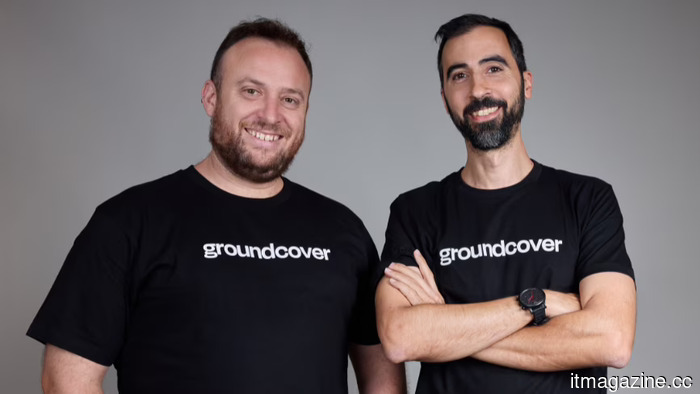 groundcover привлекает 100 миллионов долларов для создания наблюдаемости в эпоху ИИ
groundcover привлек $100 миллионов в рамках раунда Series C, возглавляемого One Peak, что увеличило общий объем финансирования до $160 миллионов, для создания наблюдаемости в облаке с собственным оборудованием для эпохи ИИ.
groundcover привлекает 100 миллионов долларов для создания наблюдаемости в эпоху ИИ
groundcover привлек $100 миллионов в рамках раунда Series C, возглавляемого One Peak, что увеличило общий объем финансирования до $160 миллионов, для создания наблюдаемости в облаке с собственным оборудованием для эпохи ИИ.
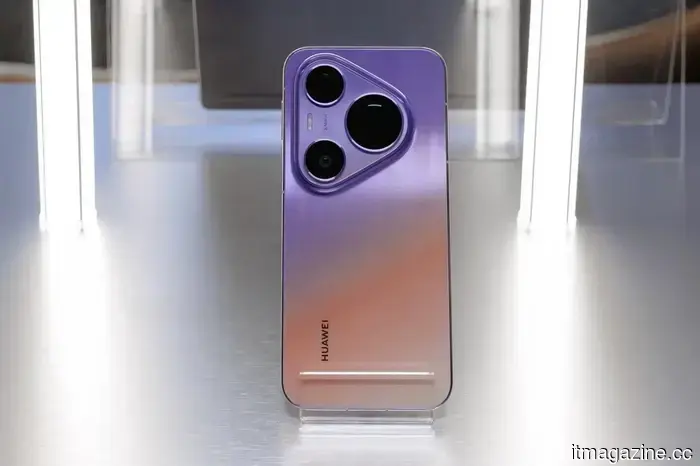 Смартфоны HUAWEI Pura90s и наушники-клипсы HUAWEI FreeClip 2 S.
Пока западные бренды проявляют осторожность в поставках, китайские производители уверенно чувствуют себя на российском рынке, и заказы на новые устройства можно смело размещать в интернет-магазинах.
Смартфоны HUAWEI Pura90s и наушники-клипсы HUAWEI FreeClip 2 S.
Пока западные бренды проявляют осторожность в поставках, китайские производители уверенно чувствуют себя на российском рынке, и заказы на новые устройства можно смело размещать в интернет-магазинах.
 Серия Galaxy Z Fold 8 только что получила функцию, которая должна быть у каждого складного Android-устройства.
Galaxy Z Fold 8 только что получил небольшую, но действительно полезную функцию: он запоминает, как вам нравится поворачивать каждый экран, так что вам не нужно настраивать это каждый раз.
Серия Galaxy Z Fold 8 только что получила функцию, которая должна быть у каждого складного Android-устройства.
Galaxy Z Fold 8 только что получил небольшую, но действительно полезную функцию: он запоминает, как вам нравится поворачивать каждый экран, так что вам не нужно настраивать это каждый раз.
 ИИ превратил опального президента под домашним арестом в живой аватар для другой избирательной кампании
Сгенерированный ИИ Жаир Болсонару поддержал президентскую кампанию своего сына, несмотря на домашний арест бывшего бразильского лидера, запрет на участие в выборах и ограничения на публичные коммуникации.
Трейдеры оценивают значительное движение Microsoft на фоне растущего внимания к капитальным затратам на ИИ
Опции предполагают колебание около $190 млрд после публикации отчетности для Microsoft, что является необычно большим движением, поскольку инвесторы требуют доказательства того, что ее значительные расходы на ИИ оправдываются.
ИИ превратил опального президента под домашним арестом в живой аватар для другой избирательной кампании
Сгенерированный ИИ Жаир Болсонару поддержал президентскую кампанию своего сына, несмотря на домашний арест бывшего бразильского лидера, запрет на участие в выборах и ограничения на публичные коммуникации.
Трейдеры оценивают значительное движение Microsoft на фоне растущего внимания к капитальным затратам на ИИ
Опции предполагают колебание около $190 млрд после публикации отчетности для Microsoft, что является необычно большим движением, поскольку инвесторы требуют доказательства того, что ее значительные расходы на ИИ оправдываются.
Traders are factoring in a significant movement in Microsoft shares as concerns regarding AI capital expenditures increase.
Options suggest a post-earnings fluctuation of around $190 billion for Microsoft, which is a notably significant shift, as investors seek evidence that the company's substantial AI investments are yielding results.