

Lilian Weng departs from Thinking Machines and re-enters OpenAI within days.
On Tuesday, Lilian Weng announced her resignation from Thinking Machines Lab, stating that the job was affecting her health. By Wednesday, she had returned to OpenAI.
Weng co-founded Thinking Machines Lab alongside Mira Murati, the former chief technology officer at OpenAI. She is rejoining OpenAI to focus on recursive self-improvement, which involves utilizing AI models to enhance AI models, as reported by The Information.
In her exit note, Weng shared her experiences candidly. She mentioned that in the past seven months, she had been ill more frequently than ever before, without specifying a diagnosis. She attributed her decline in health to the "consistent stress and workload," stating it had pushed her "beyond what my health can sustain physically," according to Business Insider.
Weng expressed her attempts to take a break while the lab rushed to launch Inkling, its first open-weight model, but felt a sense of guilt. She had considered a more limited role but concluded it was not suitable for her. She sought something "more predictable" and "scoped," while remaining in the AI field. “The future worth building is human,” she stated on X.
However, the position she returned to is not necessarily less demanding. Recursive self-improvement, which involves using AI to create improved AI, is regarded as one of the most significant and debated challenges in the industry. It represents the cutting edge of the ongoing race in AI development.
There is an ironic twist in her situation. A researcher who has just reached her own personal limits will now work on machines designed to have none. Her focus on recursive self-improvement places her at the forefront of technological advancement.
Weng is not alone in this trend. Recently, Fidji Simo stepped back from a prominent OpenAI position due to a flare-up of a chronic illness. In January, xAI co-founder Greg Yang shifted to an advisory role following a Lyme disease diagnosis, stating he needed to prioritize his health.
Many of those stepping away occupy roles just beneath the CEO level. Certain AI teams in Silicon Valley operate under demanding "996" schedules, working from 9 am to 9 pm, six days a week. Meanwhile, those in leadership positions largely remain unaffected, and the pace of competition continues unabated.
This development further reduces the ranks at Thinking Machines. By May, 13 of the lab's 42 founding members had departed, including three of its six co-founders, as Meta and OpenAI offered lucrative compensation packages. Murati replied, “We’ll miss you. I’m glad that you’re putting your health first.”
One perspective considers this a personal choice prioritizing health, with a former employer ready to welcome her back. Another view sees the relentless AI race demonstrating its ability to draw back even its exhausted talent. Weng sought a slower path but has taken on one of the most challenging problems in the field.
Otros artículos
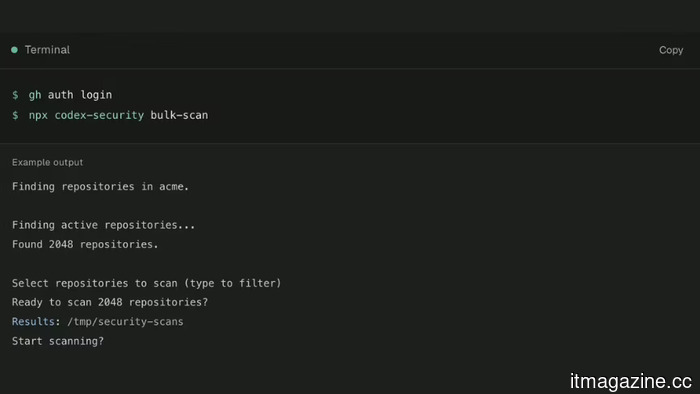 OpenAI hace de código abierto Codex Security, pero limita el escáner.
OpenAI hizo de código abierto su CLI de seguridad Codex para escanear código en busca de errores, pero mantuvo el escáner restringido. Una captura de terreno de AppSec y un golpe a la seguridad de Claude de Anthropic.
OpenAI hace de código abierto Codex Security, pero limita el escáner.
OpenAI hizo de código abierto su CLI de seguridad Codex para escanear código en busca de errores, pero mantuvo el escáner restringido. Una captura de terreno de AppSec y un golpe a la seguridad de Claude de Anthropic.
 Gemini en Mac ahora puede escribir lo que dices y actuar según lo que ve.
Google está actualizando la aplicación Gemini para Mac con dictado a nivel del sistema activado por la tecla Fn, además de un modo opcional que permite a Gemini extraer contexto de lo que hay en pantalla para tareas más complejas.
Gemini en Mac ahora puede escribir lo que dices y actuar según lo que ve.
Google está actualizando la aplicación Gemini para Mac con dictado a nivel del sistema activado por la tecla Fn, además de un modo opcional que permite a Gemini extraer contexto de lo que hay en pantalla para tareas más complejas.
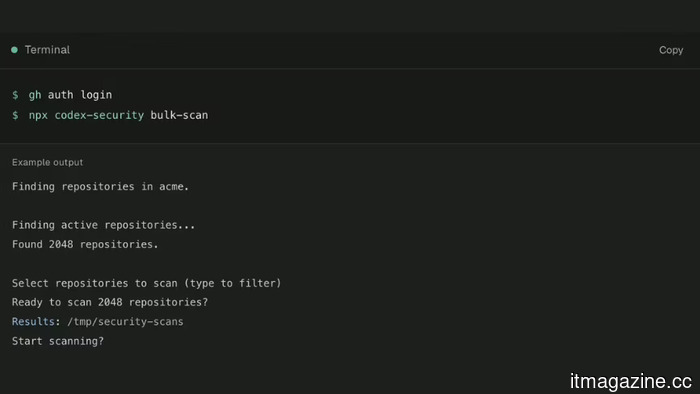 OpenAI hace de código abierto Codex Security, pero limita el escáner.
OpenAI hizo de código abierto su CLI de seguridad Codex para escanear código en busca de errores, pero mantuvo el escáner restringido. Una adquisición en el ámbito de la seguridad de aplicaciones y un intento de competir con la seguridad de Claude de Anthropic.
OpenAI hace de código abierto Codex Security, pero limita el escáner.
OpenAI hizo de código abierto su CLI de seguridad Codex para escanear código en busca de errores, pero mantuvo el escáner restringido. Una adquisición en el ámbito de la seguridad de aplicaciones y un intento de competir con la seguridad de Claude de Anthropic.
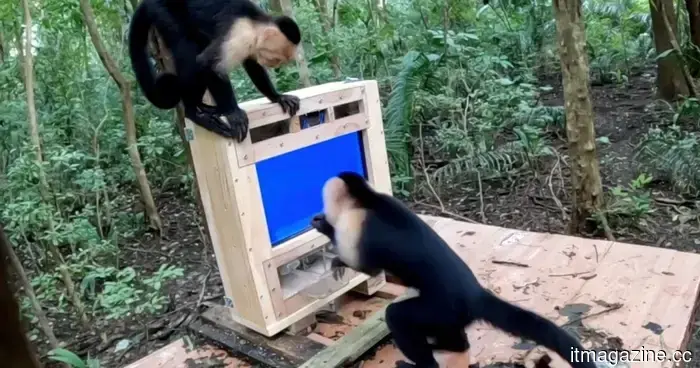 La IA no solo se nos impone. Incluso los monos de los bosques son ahora un público de prueba en nombre de la ciencia.
La IA ya se ha introducido en casi todos los aspectos de nuestras vidas. Ahora está apareciendo en la selva tropical, donde los monos capuchinos salvajes están utilizando una pantalla táctil impulsada por IA para ganar recompensas en forma de plátanos como parte de un estudio científico único.
La IA no solo se nos impone. Incluso los monos de los bosques son ahora un público de prueba en nombre de la ciencia.
La IA ya se ha introducido en casi todos los aspectos de nuestras vidas. Ahora está apareciendo en la selva tropical, donde los monos capuchinos salvajes están utilizando una pantalla táctil impulsada por IA para ganar recompensas en forma de plátanos como parte de un estudio científico único.
 A medida que la IA genera más mensajes, el reconocimiento humano se vuelve más valioso.
La IA ha hecho que la comunicación interna sea más rápida pero más difícil de confiar. Motivosity argumenta que integrar actualizaciones de la empresa en entornos de reconocimiento, donde los empleados ya prestan atención, es la forma en que las organizaciones logran destacar entre el ruido.
A medida que la IA genera más mensajes, el reconocimiento humano se vuelve más valioso.
La IA ha hecho que la comunicación interna sea más rápida pero más difícil de confiar. Motivosity argumenta que integrar actualizaciones de la empresa en entornos de reconocimiento, donde los empleados ya prestan atención, es la forma en que las organizaciones logran destacar entre el ruido.
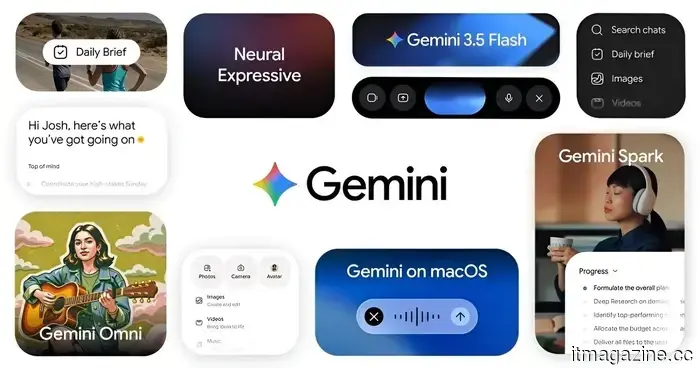 Gemini ahora puede resumir los hilos de comentarios más desordenados en Google Docs.
Gemini ahora puede clasificar los comentarios extensos de Google Docs por revisor o tema, resaltar preguntas no resueltas, redactar respuestas y sugerir ediciones, aunque el acceso depende del plan adecuado, la configuración y los permisos del documento.
Gemini ahora puede resumir los hilos de comentarios más desordenados en Google Docs.
Gemini ahora puede clasificar los comentarios extensos de Google Docs por revisor o tema, resaltar preguntas no resueltas, redactar respuestas y sugerir ediciones, aunque el acceso depende del plan adecuado, la configuración y los permisos del documento.
Lilian Weng departs from Thinking Machines and re-enters OpenAI within days.
Lilian Weng left Thinking Machines due to stress and health issues, only to rejoin OpenAI shortly after to focus on recursive self-improvement.