
Thoma Bravo claims that the 'SaaSpocalypse' has come to an end.
Four months ago, concerns arose that AI might significantly disrupt the software industry. However, this week, one of its key investors announced that the threat has passed. The reality, however, lies somewhere in the middle.
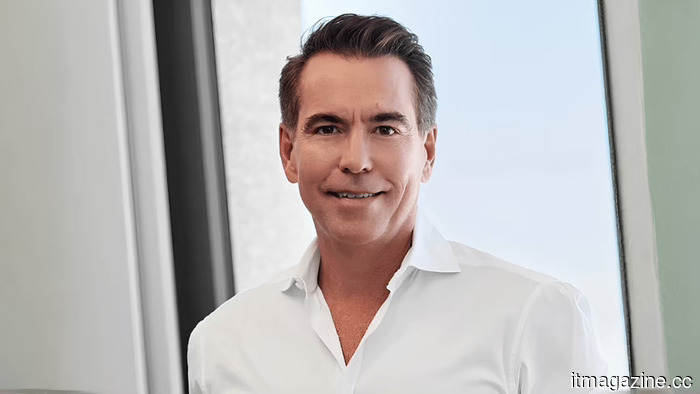
Speaking at the SuperReturn International conference in Berlin, Orlando Bravo, the founder of Thoma Bravo, one of the largest private equity firms focused on software with nearly $200 billion in assets under management, stated to CNBC that the wave of panic has subsided.
“The SaaSpocalypse is over. It’s finished, no more,” he proclaimed, referring to AI as “a significant tailwind for software companies.” He noted that approximately half of the new revenue in his portfolio now comes from “AI revenue, agentic revenue,” and he anticipates a merging of software and AI into a “new agentic solution” for enterprise clients.
The term he was dismissing was first introduced in February, following a harsh selloff triggered by Anthropic’s Claude Cowork agent tools. Investors became alarmed at the prospect that AI agents could reduce the number of human "seats" that subscription software relies on for pricing, resulting in a loss of around $285 billion from software, financial, and asset-management stocks within a span of 48 hours, as the surge in AI-native spending caused a reevaluation of per-seat pricing.
Consequently, Salesforce saw a decline of approximately 30 percent for the year, while SAP lost about a third of its market value. However, Bravo is experiencing a rebound. The iShares Expanded Tech-Software ETF surged by 21 percent in May, marking its best month since October 2001, and software has transitioned from being viewed as a market outcast to one of its leaders, with previously overlooked names from March making a strong comeback.
Nonetheless, describing the situation as “over” is too simplistic. The recovery is more accurately characterized as a bifurcation rather than a rising tide. Companies that provide the essential tools for AI development, as well as infrastructure and consumption-based businesses, have thrived: DigitalOcean has increased by more than 220 percent this year, Datadog by around 76 percent, and CrowdStrike by over 50 percent.
In contrast, seat-based application software continues to recover from its downturn. HubSpot has declined by roughly 46 percent this year despite achieving revenue growth of over 20 percent, while Monday.com is down around 45 percent. The market is now rewarding AI-defensibility with a premium and undervaluing anything that an AI agent could potentially replace, regardless of the solid underlying numbers.
Not everyone in the industry is ready to sound the all-clear. This week, Snowflake's CEO Sridhar Ramaswamy declined to declare the SaaSpocalypse over, suggesting it is “better to be paranoid” in a marketplace where a competitor's advancements can quickly erase any lead. His caution highlights the next challenge: the actual costs associated with operating AI agents.
Uber limited its engineers' expenditure on agentic-AI coding to $1,500 per month each after exceeding its 2026 budget, and even Microsoft reportedly scaled back on Claude-powered agents once expenses surpassed those of human staff. The economic implications that were predicted to doom traditional software could still pose a threat to the AI tools designed to succeed it.
Bravo himself acknowledged the uncertainty, noting that issues related to governance, cybersecurity, and the returns on agentic tools remain unresolved. “It is a period of discovery now, which creates pressure on the whole system,” he remarked. It’s also important to note that, as one of the largest software investors globally, he has motives to assert that the bottom has been reached.
So, is the SaaSpocalypse truly over? The panic regarding stock prices certainly appears to have abated. However, the more profound revaluation—from software that earns a premium merely for being software to a focus on usage, proprietary data, and true AI leverage—is just starting, and many still contend that the premature declarations of doom were overstated. Bravo is optimistic about the bottom, while Ramaswamy calls for a cautious approach.
Based on the current evidence, it is possible for both perspectives to coexist.
Other articles
 As Apple advances its software with AI, the RAM shortage has caught up, leaving your devices feeling outdated.
Apple's iOS 27 AI requirements indicate that RAM is increasingly becoming the new barrier for upgrades. While devices with 8GB of RAM are still supported, they are not as equipped to handle Apple's most advanced on-device AI functionalities.
As Apple advances its software with AI, the RAM shortage has caught up, leaving your devices feeling outdated.
Apple's iOS 27 AI requirements indicate that RAM is increasingly becoming the new barrier for upgrades. While devices with 8GB of RAM are still supported, they are not as equipped to handle Apple's most advanced on-device AI functionalities.
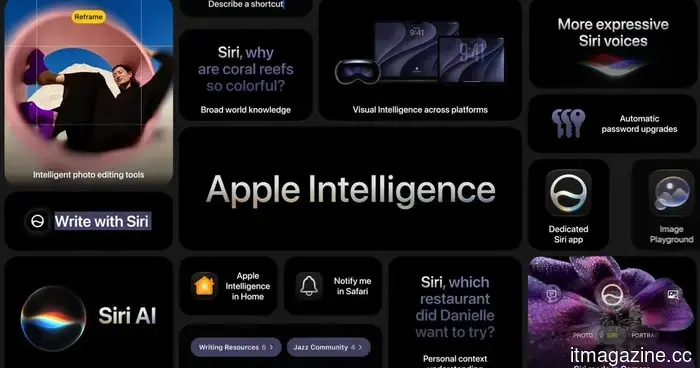 iOS 27 is full of features. Here's a rundown of the minor updates you might have overlooked.
iOS 27 includes numerous prominent features, but the smaller updates to Mail, iCloud Shared Albums, accessibility, Home, Maps, and network switching might be the ones that stand out to users the most.
iOS 27 is full of features. Here's a rundown of the minor updates you might have overlooked.
iOS 27 includes numerous prominent features, but the smaller updates to Mail, iCloud Shared Albums, accessibility, Home, Maps, and network switching might be the ones that stand out to users the most.
 iOS 27 provides the strongest indication that a foldable iPhone is imminent.
The modifications to SwiftUI and the introduction of new iOS 27 framework references imply that Apple might be preparing applications for an iPhone capable of functioning on two separate displays.
iOS 27 provides the strongest indication that a foldable iPhone is imminent.
The modifications to SwiftUI and the introduction of new iOS 27 framework references imply that Apple might be preparing applications for an iPhone capable of functioning on two separate displays.
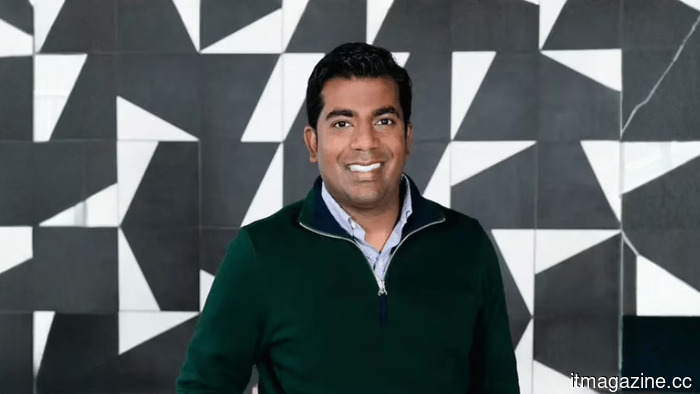 Beacon secures $225 million for its 'anti-PE' AI consolidation.
Beacon secured $225 million in a Series C funding round led by General Catalyst to purchase 'Main Street' software companies and enhance them with AI, now acquiring approximately one each week.
Apple outlines the AI models that support the updated Siri.
Apple's third-generation Foundation Models, developed in collaboration with Google, feature a 20 billion-parameter on-device model that operates from flash storage, along with three cloud-based models.
Beacon secures $225 million for its 'anti-PE' AI consolidation.
Beacon secured $225 million in a Series C funding round led by General Catalyst to purchase 'Main Street' software companies and enhance them with AI, now acquiring approximately one each week.
Apple outlines the AI models that support the updated Siri.
Apple's third-generation Foundation Models, developed in collaboration with Google, feature a 20 billion-parameter on-device model that operates from flash storage, along with three cloud-based models.
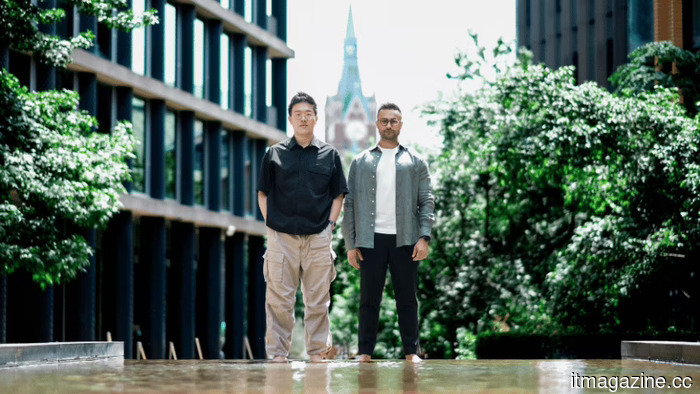 The former Agentforce team has secured $5.1 million for their 'anti-vendor' AI.
Zaro, established by engineers involved in the creation of Salesforce's Agentforce, secured $5.1 million in funding led by Cherry Ventures for an AI platform that allows companies to retain ownership of their context.
The former Agentforce team has secured $5.1 million for their 'anti-vendor' AI.
Zaro, established by engineers involved in the creation of Salesforce's Agentforce, secured $5.1 million in funding led by Cherry Ventures for an AI platform that allows companies to retain ownership of their context.
Thoma Bravo claims that the 'SaaSpocalypse' has come to an end.
Orlando Bravo of Thoma Bravo states that the 'SaaSpocalypse' has ended and that AI is providing a boost for software. However, the recovery is inconsistent, and the expenses associated with AI agents are increasing.