
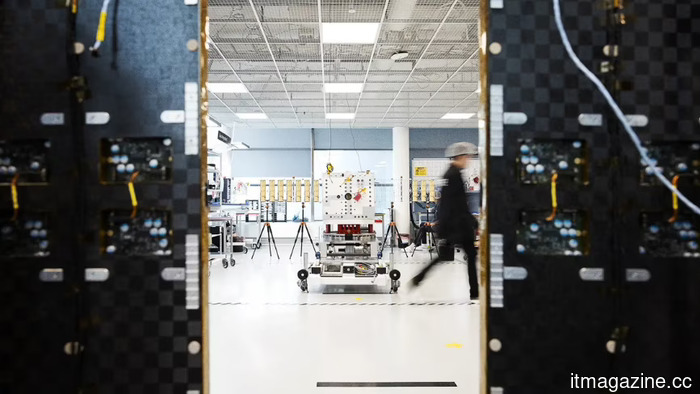
ICEYE achieves a €10 billion valuation following a €450 million fundraising.
Six months ago, ICEYE had a valuation of €2.4 billion. Today, it is valued at over €10 billion. Few figures illustrate the surge in Europe’s defense technology sector as clearly as this one.
The Finnish satellite firm raised €450 million in a Series F funding round led by General Atlantic, bringing its valuation to over €10 billion ($11.5 billion), which is a fourfold increase since December. Including a secondary sale for existing shareholders, the total deal is approximately €1 billion, making it one of the largest venture funding rounds ever for a European defense technology company.
New investors in the round include Nokia, which is participating as a strategic investor, the Qatar Investment Authority, TCV, and several Finnish state and pension funds.
ICEYE operates the largest constellation of synthetic aperture radar satellites in the world, with over 70 satellites that can penetrate cloud cover, smoke, and darkness to capture images of the ground at any time. This capability has proven crucial in Ukraine, as its data has been tracking Russian military movements since 2022, and it is now also monitoring the Persian Gulf due to increasing demand in the Middle East.
The latest updates from the EU tech industry feature insights from our experienced founder Boris and some dubious AI-generated art. It's a free weekly newsletter you can subscribe to.
Founded in 2014 as a spinoff from Aalto University, ICEYE initially focused on climate monitoring but has now pivoted to defense as its core business.
A clear indication of this shift is its partnership with Poland. In May 2025, Warsaw contracted ICEYE for a reconnaissance system valued at around €200 million, and within a year, the Polish military was operating its own four-satellite constellation, called POLSARIS.
Seven governments have now opted to purchase sovereign systems from ICEYE, a trend that is gaining traction in Europe, the Middle East, and Asia, as nations prefer to own their satellites rather than lease them.
The financial performance reflects this growth. ICEYE reports revenues exceeding €250 million and €100 million in EBITDA in 2025, with an order backlog of over €1.5 billion. It anticipates roughly doubling its revenue this year to more than €500 million.
The company aims to increase its production from 50 satellites a year to 100 by 2028. “Sovereign intelligence from space is entering a new era, and the opportunity to build it is now,” stated co-founder and CEO Rafal Modrzewski.
Nokia’s involvement suggests future developments in this field. Radar satellites detect threats, while communication networks expedite the information to those who need to respond. “Modern defense increasingly relies on the combination of trusted connectivity and real-time visibility,” said Nokia CEO Justin Hotard, describing the collaboration as a foundation for European technological independence.
ICEYE's growth is part of a wider influx of investments into Europe’s space and defense sectors. On the same day, German rocket manufacturer Isar Aerospace raised €270 million, with investors flocking to the industry as governments rearm and Europe seeks to secure its satellite capabilities.
ICEYE has long hinted at a potential IPO; at a €10 billion valuation, with €1 billion newly available on its balance sheet, it can afford to be patient.
For a company that began with climate surveillance and has transitioned to frontline mapping, the pressing question is whether this high demand can be sustained, or if Europe’s space boom is anticipating a long-term military posture that surpasses the current conflicts driving it.
Other articles
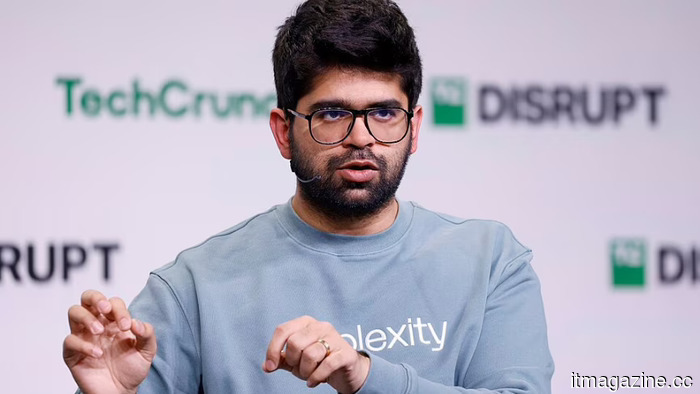 Perplexity maintains its IPO strategy for 2028 as OpenAI and Anthropic submit their filings.
Perplexity AI aims for an IPO in 2028, opting for a patient approach rather than rushing, while both OpenAI and Anthropic have submitted confidential filings. The CEO stated that the schedule remains unchanged.
Perplexity maintains its IPO strategy for 2028 as OpenAI and Anthropic submit their filings.
Perplexity AI aims for an IPO in 2028, opting for a patient approach rather than rushing, while both OpenAI and Anthropic have submitted confidential filings. The CEO stated that the schedule remains unchanged.
 Are you eager for macOS Golden Gate? Take a look at the list of compatible Mac models.
All Intel Macs are now officially excluded from macOS 27 Golden Gate, and several Apple silicon Macs will also not receive the complete Siri AI experience. Here’s the complete list of compatible devices.
Are you eager for macOS Golden Gate? Take a look at the list of compatible Mac models.
All Intel Macs are now officially excluded from macOS 27 Golden Gate, and several Apple silicon Macs will also not receive the complete Siri AI experience. Here’s the complete list of compatible devices.
 Prince William highlights homelessness prevention at London Tech Week.
The Prince of Wales will lead a panel at London Tech Week alongside Salesforce, Bloomberg Philanthropies, and NatWest, focusing on the role of data and technology in preventing homelessness.
Prince William highlights homelessness prevention at London Tech Week.
The Prince of Wales will lead a panel at London Tech Week alongside Salesforce, Bloomberg Philanthropies, and NatWest, focusing on the role of data and technology in preventing homelessness.
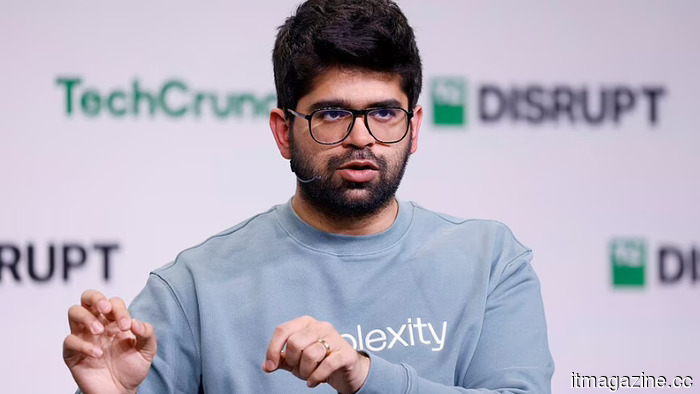 Perplexity maintains its 2028 IPO strategy as OpenAI and Anthropic submit their filings.
Perplexity AI aims for an IPO in 2028, opting for a patient approach instead of rushing, while OpenAI and Anthropic both submit their filings confidentially. The CEO states that the timeline remains unchanged.
Perplexity maintains its 2028 IPO strategy as OpenAI and Anthropic submit their filings.
Perplexity AI aims for an IPO in 2028, opting for a patient approach instead of rushing, while OpenAI and Anthropic both submit their filings confidentially. The CEO states that the timeline remains unchanged.
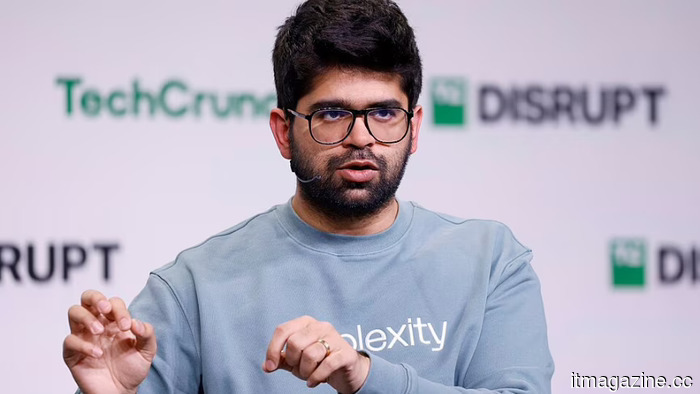 Perplexity maintains its plan for an IPO in 2028 as OpenAI and Anthropic submit their filings.
Perplexity AI aims for an IPO in 2028, opting for a measured approach instead of rushing, as both OpenAI and Anthropic submit their filings confidentially. The CEO indicates that the schedule remains unchanged.
Perplexity maintains its plan for an IPO in 2028 as OpenAI and Anthropic submit their filings.
Perplexity AI aims for an IPO in 2028, opting for a measured approach instead of rushing, as both OpenAI and Anthropic submit their filings confidentially. The CEO indicates that the schedule remains unchanged.
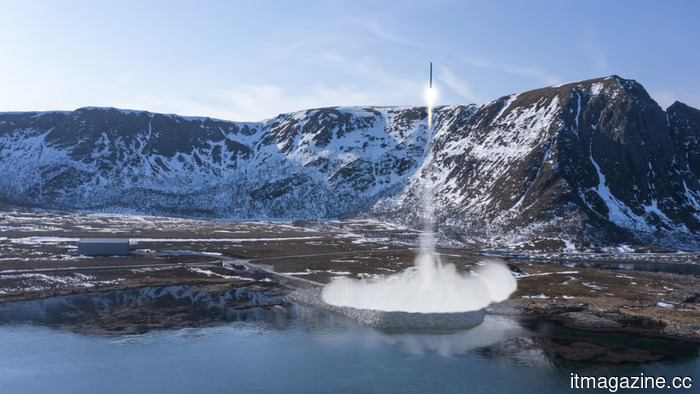 Isar Aerospace secures €270 million to expand its rocket manufacturing.
Germany's Isar Aerospace has secured €270 million to manufacture 40 rockets annually and develop a second launchpad, with a crucial orbital launch opportunity commencing on 15 June.
Isar Aerospace secures €270 million to expand its rocket manufacturing.
Germany's Isar Aerospace has secured €270 million to manufacture 40 rockets annually and develop a second launchpad, with a crucial orbital launch opportunity commencing on 15 June.
ICEYE achieves a €10 billion valuation following a €450 million fundraising.
ICEYE from Finland secured €450 million, with General Atlantic at the helm, achieving a valuation of €10 billion. This represents a fourfold increase in just six months as nations hasten to acquire sovereign radar satellite capabilities.