
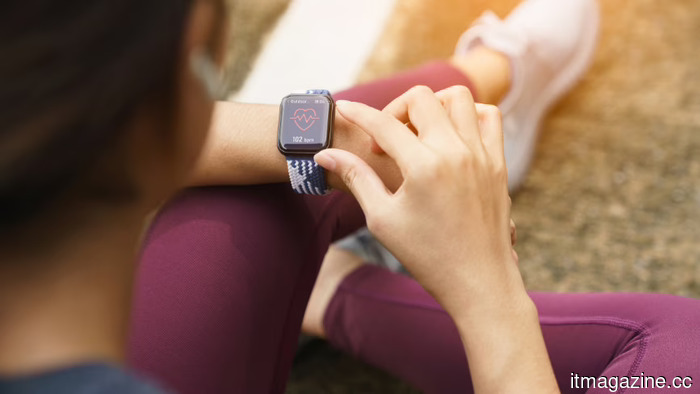
The Apple Watch is now 11 years old and is starting to lose its appeal. Competitors without screens are gaining traction in the next phase of the market.
TL;DR: Innovation in the Apple Watch has stalled as Whoop, Oura, and Fitbit Air change the landscape of wearables. Key health executives are departing, and Oura has filed for an IPO.
The Apple Watch has reportedly earned around $100 billion in total sales and has revolutionized the smartwatch industry. However, eleven years after its debut, innovation has stagnated, and the product range is losing traction. According to Bloomberg’s Mark Gurman, Apple may risk lagging behind in the next stage of the sector it initially shaped.
Consumer preferences are shifting towards devices with fewer screens. Companies like Whoop, Oura, and Google’s $100 Fitbit Air have established multibillion-dollar brands centered around screen-free bands and rings that focus on recovery, sleep, and passive health monitoring. Many consumers are less interested in adding another screen that demands their attention.
Apple’s Health app contributes to the issue. After years of investment, it remains cluttered and clinical, failing to provide actionable insights. Gurman states that it “often feels more like a visit to a waiting room than a modern consumer platform.” Competing applications from Whoop and Oura are “in a different league.”
Eddy Cue from Apple, who uses both Oura and Whoop, has been advocating for more significant changes to the health strategy. An ambitious AI health coaching initiative called Mulberry was recently downsized after Cue took the reins of Apple’s health division. Gurman predicts that features from this project won’t appear until the latter part of the iOS 27 update cycle.
There is notable leadership instability. Former COO Jeff Williams, who oversaw health initiatives, retired last year. Tim Cook is set to step down as CEO in September. Jay Blahnik, who led Fitness+, is leaving amid management-related litigation.
Health and Apple Watch marketing head Stan Ng recently retired, and another senior marketing manager, Eric Charles, left this month. Oura has steadily attracted Apple's health and hardware talent, highlighting a significant talent drain.
New CEO John Ternus aims to keep health at the core of Apple’s future and promises new services combining hardware and AI. However, the leadership changes raise concerns about the company's commitment to health technology.
This year’s watchOS 27 will prioritize stability and minor improvements over major new features. Enhancements to heart-rate tracking are expected, but the update will be incremental rather than revolutionary.
Apple is increasingly turning to promotions to boost Apple Watch sales. Amazon and Best Buy are offering steep discounts, and Apple has included the watch in its education store with direct discounts for the first time—uncommon signs for Apple products.
The glucose monitoring initiative could be a significant breakthrough. Originally envisioned during the Steve Jobs era, it seeks to identify elevated blood sugar without finger pricks. Oversight has recently shifted from platform architecture chief Tim Millet to engineering leader Zongjian Chen, who is known for delivering results.
Some view this shift as a sign that the project is making headway toward a consumer-ready product. However, Apple’s progress in health has been hampered by workplace issues, delays, caution, and gradualism. The same risk aversion that made Apple miss the generative AI wave is manifesting in wearables.
iOS 27 will incorporate various AI features, including natural language capabilities in the Shortcuts app, wallpaper creation through Image Playground, and a new grammar checker. The upgraded Siri app will feature auto-deleting chats as the main consumer AI highlight, but none of these directly address the gap in health and wearables.
Oura, the Finnish smart ring manufacturer, has filed confidentially for a U.S. initial public offering. Gurman points out that Apple “probably should have acquired” Oura years ago. Now, the company that Apple could have purchased is preparing to go public as a competitor.
The wearables market is diversifying in several ways at once. Meta is selling seven million Ray-Ban smart glasses annually. Apple is exploring smart glasses for 2027. Google is working on Android XR glasses in collaboration with Samsung. Competition is no longer limited to wrist devices.
Additionally, Apple announced that iOS 27 will natively support alternatives to AirPlay to comply with the EU Digital Markets Act. Users will have the option to set Google Cast or other services as their default streaming solutions. The AirPods settings panel will also undergo a significant redesign.
Cook has expressed a desire for Apple to be remembered for its healthcare contributions. The company that created the most successful smartwatch ever must now decide whether it will also develop the screenless, AI-driven health device that the market is moving towards. If it hesitates, competing companies like Whoop, Oura, and Google will likely fill that gap.
Other articles
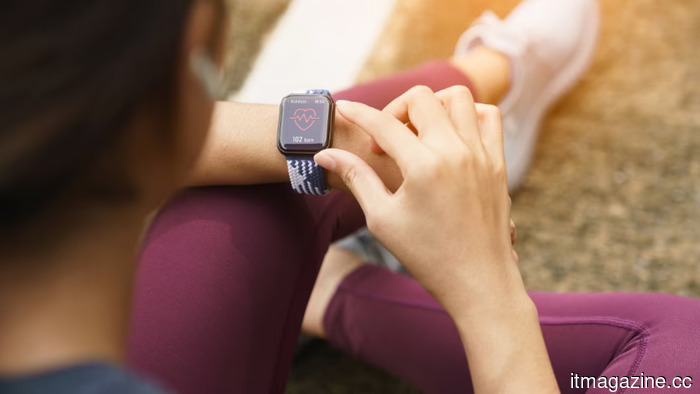 The Apple Watch is now 11 years old and is losing its edge. Competitors without screens are taking the lead in the upcoming phase.
Whoop, Oura, and Google's Fitbit Air are transforming wearables through AI coaching and passive tracking, while Apple's Health app seems to be in a state of limbo.
The Apple Watch is now 11 years old and is losing its edge. Competitors without screens are taking the lead in the upcoming phase.
Whoop, Oura, and Google's Fitbit Air are transforming wearables through AI coaching and passive tracking, while Apple's Health app seems to be in a state of limbo.
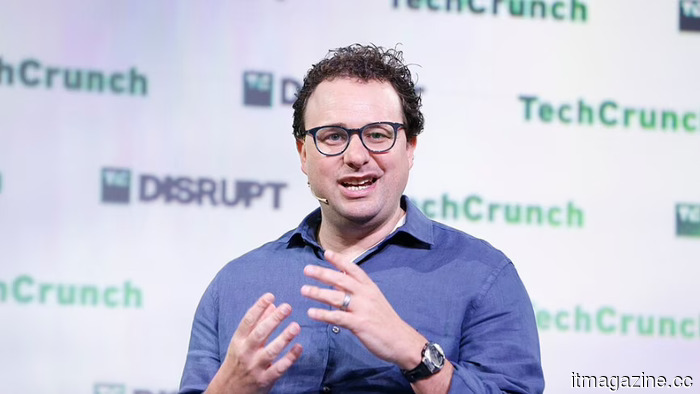 The US has placed Anthropic on its blacklist due to security concerns. Nevertheless, its intelligence agencies are still utilizing Claude.
A shortage of chips compelled the White House to permit the NSA to utilize Anthropic's AI. An emergency request for $9 billion will finance classified data centers for Nvidia chips.
The US has placed Anthropic on its blacklist due to security concerns. Nevertheless, its intelligence agencies are still utilizing Claude.
A shortage of chips compelled the White House to permit the NSA to utilize Anthropic's AI. An emergency request for $9 billion will finance classified data centers for Nvidia chips.
 3 MacBook games that deliver a more impactful experience than many films and don't require advanced gaming skills.
If you own a MacBook and have never considered yourself a gamer, these three narrative-focused games are simple to start, emotionally impactful, and surprisingly memorable.
3 MacBook games that deliver a more impactful experience than many films and don't require advanced gaming skills.
If you own a MacBook and have never considered yourself a gamer, these three narrative-focused games are simple to start, emotionally impactful, and surprisingly memorable.
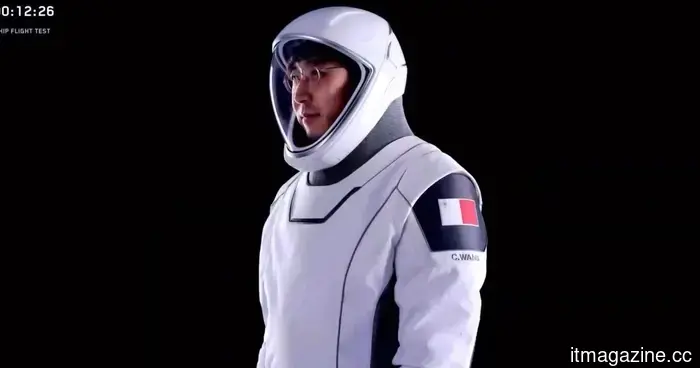 A billionaire from the cryptocurrency world will guide humanity to Mars aboard Musk's Starship.
The inaugural human journey to Mars by SpaceX might be commanded by Chun Wang, a cryptocurrency billionaire who has already completed one private astronaut mission.
A billionaire from the cryptocurrency world will guide humanity to Mars aboard Musk's Starship.
The inaugural human journey to Mars by SpaceX might be commanded by Chun Wang, a cryptocurrency billionaire who has already completed one private astronaut mission.
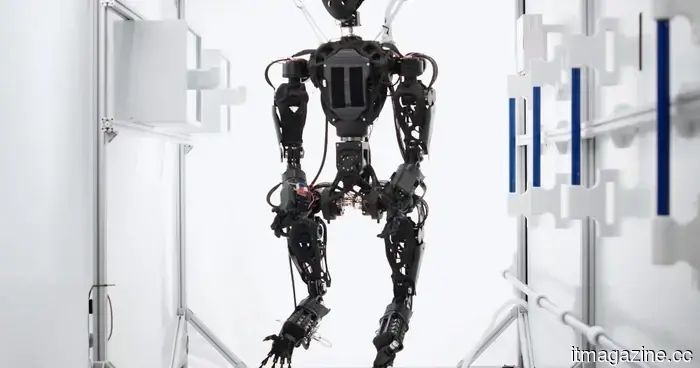 The space robot created by Orbot Robotics is equipped with four arms, and its Goro-like structure serves a specific function.
In microgravity, legs have limited functionality. Orbit Robotics' Helios substitutes them with four specially designed arms for mobility and tasks aboard the station.
The space robot created by Orbot Robotics is equipped with four arms, and its Goro-like structure serves a specific function.
In microgravity, legs have limited functionality. Orbit Robotics' Helios substitutes them with four specially designed arms for mobility and tasks aboard the station.
 India's SolarSquare is securing $60 million with a valuation of $500 million. The company has energized 50,000 households.
B Capital and Lightspeed are jointly leading the Series C round, which has resulted in the startup's valuation doubling within 18 months. India has become the third-largest solar producer globally.
India's SolarSquare is securing $60 million with a valuation of $500 million. The company has energized 50,000 households.
B Capital and Lightspeed are jointly leading the Series C round, which has resulted in the startup's valuation doubling within 18 months. India has become the third-largest solar producer globally.
The Apple Watch is now 11 years old and is starting to lose its appeal. Competitors without screens are gaining traction in the next phase of the market.
Whoop, Oura, and Google's Fitbit Air are transforming wearables with a focus on AI coaching and passive tracking. Meanwhile, Apple's Health app seems to lack momentum.