
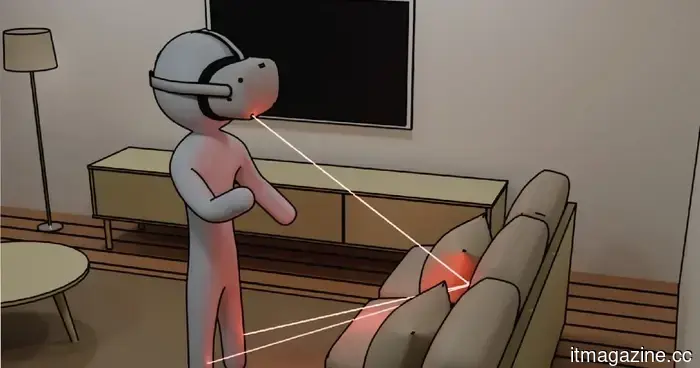
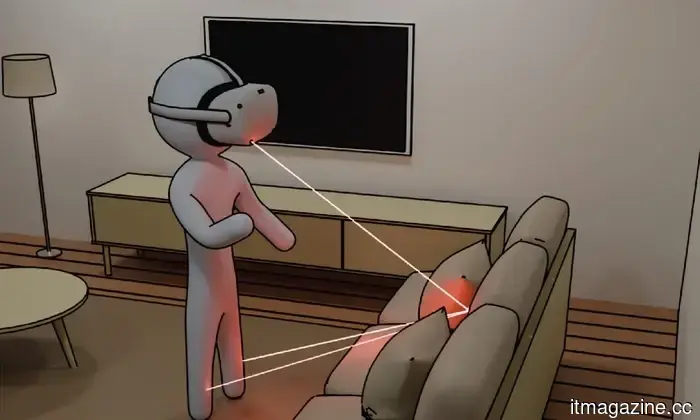
The LiDAR sensor on your iPhone may soon enable you to see around corners.
MIT researchers have demonstrated that affordable, consumer-grade LiDAR can identify objects concealed around corners.
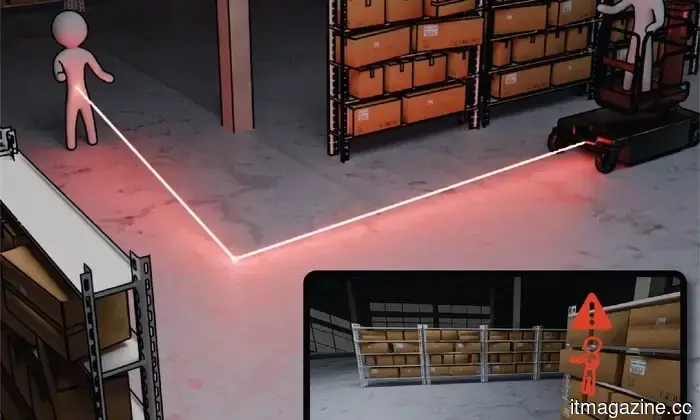
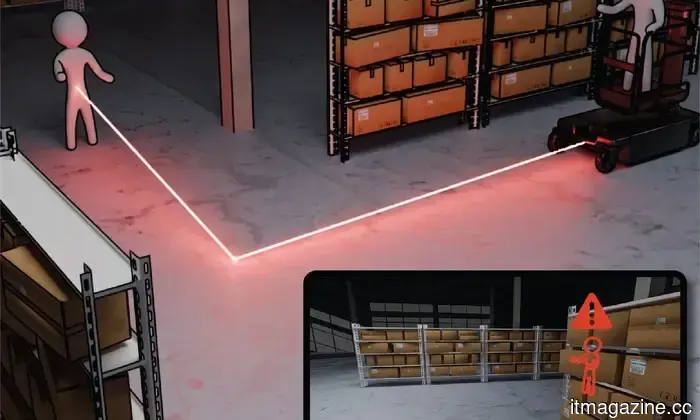
Researchers from the MIT Media Lab have uncovered an astonishing use for the LiDAR sensor found in your iPhone and iPad Pro. This sensor can detect and track items that are entirely outside the view of the camera, effectively allowing us to see around corners.
This type of imaging, referred to as non-line-of-sight (NLOS) imaging, is not entirely new, but previous examples relied on high-powered, costly lab-grade lasers that had limited practical applications.
The exciting aspect of this research is that the MIT team was able to achieve these results using the same low-power LiDAR sensor already integrated into our smartphones.
How does it operate?
The team utilizes the LiDAR sensor to enable us to see beyond corners and to identify objects not directly visible to us. The key element is motion. As the device moves, the system tracks the shape of the object, its position, and the position of the camera over time.
This approach, termed an aperture sampling model, essentially combines a series of noisy and flawed readings into a coherent output. While the results are not clear images of what is around the corner, they provide increasingly detailed interpretations. The system can inform you about the presence of an object, its movement, and its approximate shape, reminiscent of echolocation but using light.
What capabilities does it offer?
The team showcased four specific abilities: tracking a single object, reconstructing its shape, monitoring multiple objects simultaneously, and a notable feature for robotics: camera self-localization using hidden landmarks.
The last capability is particularly significant. A robot or autonomous system that can navigate using objects it cannot see directly gains a considerable advantage in real-world scenarios. This could also enhance self-driving technology or delivery drones, particularly for accident avoidance.
Unfortunately, you cannot test this on your smartphone at the moment, as "that would require these companies to release their raw data, which is something they typically don’t do," explained Siddharth Somasundaram, a researcher involved in this project. However, the researchers have shared their code publicly, and the necessary sensor hardware can be constructed for less than $50.
Rachit is an experienced tech journalist with over seven years of covering consumer technology.
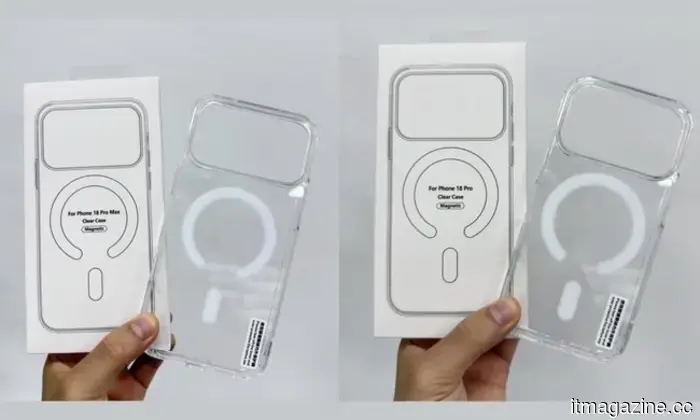
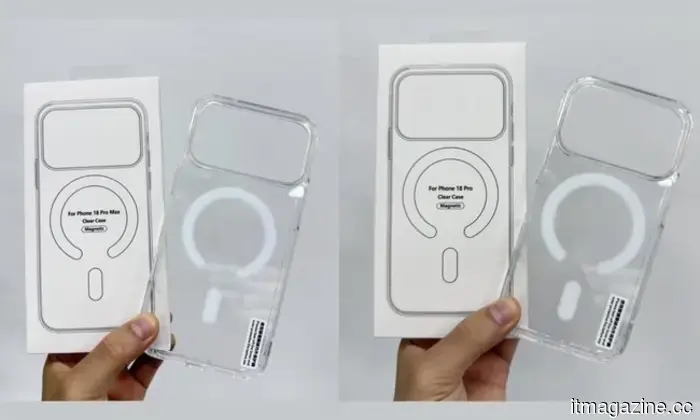
Leaked cases for the iPhone 18 series suggest a familiar design, but with a thicker profile.
Recent leaks of protective cases for the iPhone 18, iPhone 18 Pro, and iPhone 18 Pro Max indicate that they will look almost identical to earlier models. This year, the iPhone 18 Pro and Pro Max will not receive any significant redesign, maintaining the same unibody aluminum structure with a large camera module. This lack of change was anticipated, as Apple typically sticks to a design for at least two years.
The Sonos app inexplicably disappeared from Apple’s App Store, leaving users puzzled.
For a brief period, the Sonos app was unavailable on Apple's App Store, preventing users from downloading or updating it on their iPhones and Macs. Given Sonos' recent software challenges, this occurrence was poorly timed. Users first observed that the app's listing had completely vanished from the App Store. Accessing the direct link resulted in an error stating that the content could not be found, while searches yielded no results. Concurrently, Sonos acknowledged the issue on its system status page, warning users about potential download or update problems as engineers addressed the glitch. The company did not clarify the reason for the app's sudden disappearance, which only fueled the confusion.
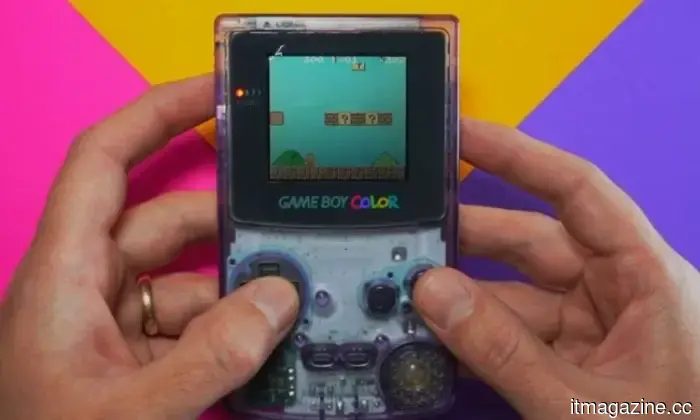
I long for the days when technology appeared inexpensive, plastic, and genuine.
Modern technology boasts a sleek and premium appearance, yet older plastic gadgets possessed a charm that was more than just refined aesthetics: they were straightforward about their nature.
While playing retro games on my Anbernic RG353V, I realized I missed something I hadn't expected: devices that looked cheap. I’m not referring to faulty or broken tech, nor am I nostalgically claiming that everything was better when batteries leaked and screens had limited viewing angles.

Other articles
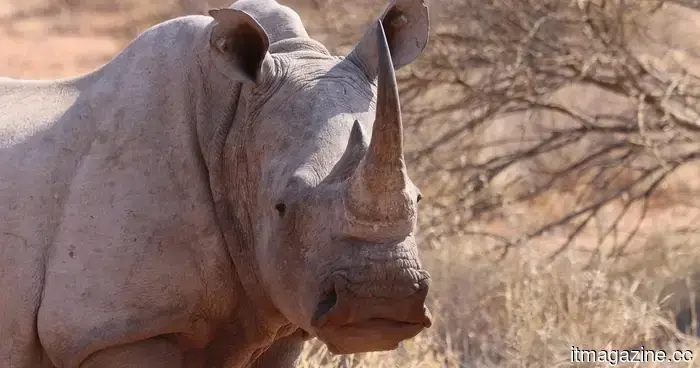 Wildlife tracking has received a significant enhancement, and it originates from space.
Over the past 15 years, over 10,000 rhinos have been illegally hunted in South Africa. A newly developed satellite system that monitors animal distress could potentially provide rangers with an advantage.
Wildlife tracking has received a significant enhancement, and it originates from space.
Over the past 15 years, over 10,000 rhinos have been illegally hunted in South Africa. A newly developed satellite system that monitors animal distress could potentially provide rangers with an advantage.
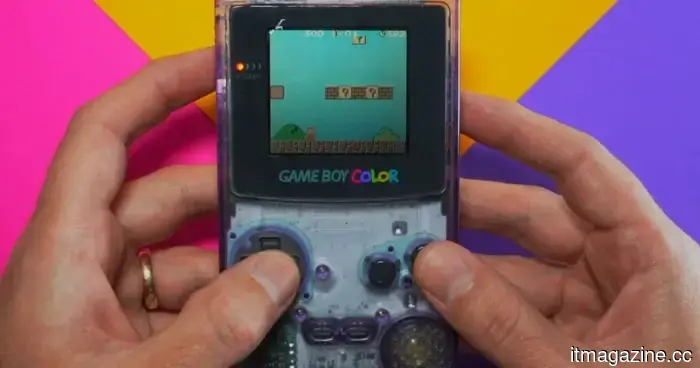 I long for the days when technology appeared inexpensive, plastic, and genuine.
Old plastic devices were bulky, odd, and at times unattractive, yet they possessed a tactile clarity that contemporary technology continuously smooths out.
I long for the days when technology appeared inexpensive, plastic, and genuine.
Old plastic devices were bulky, odd, and at times unattractive, yet they possessed a tactile clarity that contemporary technology continuously smooths out.
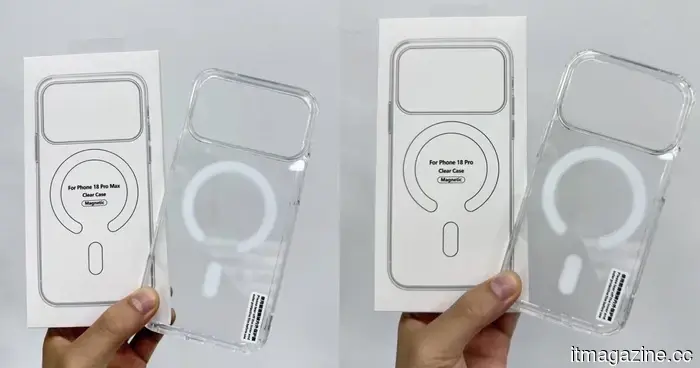 Leaks related to the iPhone 18 series cases suggest a recognizable design, yet with an increasing thickness.
Leaked cases for the iPhone 18 Pro reveal a slightly bulkier design, indicating that cases for the iPhone 17 Pro will not be compatible. Here's what we currently know.
Leaks related to the iPhone 18 series cases suggest a recognizable design, yet with an increasing thickness.
Leaked cases for the iPhone 18 Pro reveal a slightly bulkier design, indicating that cases for the iPhone 17 Pro will not be compatible. Here's what we currently know.
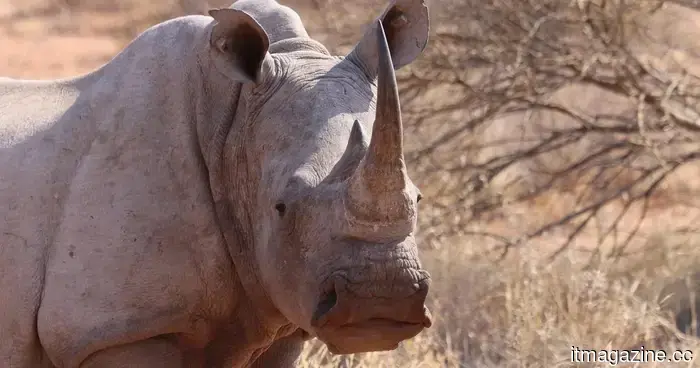 Wildlife tracking has received a significant enhancement, and it’s being delivered from space.
Over the past 15 years, over 10,000 rhinos have been poached in South Africa. A new satellite system designed to monitor animal distress could potentially provide rangers with a significant advantage.
Wildlife tracking has received a significant enhancement, and it’s being delivered from space.
Over the past 15 years, over 10,000 rhinos have been poached in South Africa. A new satellite system designed to monitor animal distress could potentially provide rangers with a significant advantage.
 Microsoft will allow users to turn off the floating Copilot button in the Office application.
In the final week of May 2026, Microsoft is releasing an Office update that enables users to relocate the floating Copilot button from their documents back to the ribbon.
Microsoft will allow users to turn off the floating Copilot button in the Office application.
In the final week of May 2026, Microsoft is releasing an Office update that enables users to relocate the floating Copilot button from their documents back to the ribbon.
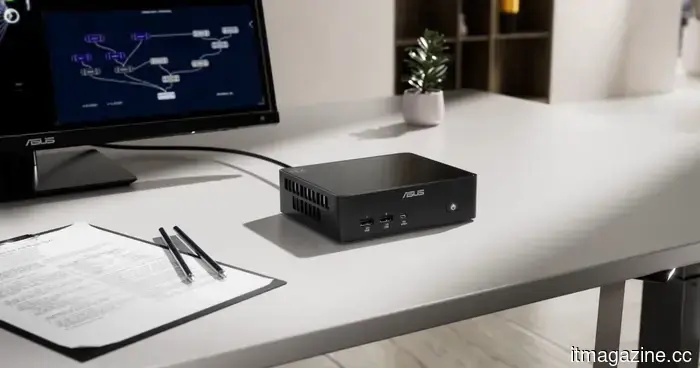 Mini PCs are the most intriguingly dull computers available for purchase.
Mini PCs may not be glamorous, but that’s exactly what makes them feel refreshing in a market saturated with pricey laptops, overly robust towers, and computers that strive too hard for attention.
Mini PCs are the most intriguingly dull computers available for purchase.
Mini PCs may not be glamorous, but that’s exactly what makes them feel refreshing in a market saturated with pricey laptops, overly robust towers, and computers that strive too hard for attention.
The LiDAR sensor on your iPhone may soon enable you to see around corners.
Researchers at MIT have shown that consumer-level LiDAR sensors can identify and monitor objects that are situated around corners. The equipment is priced at less than $50, and the software is already accessible to the public.