
Farewell home screen: How NEED is transforming Telegram into a digital marketplace.
No one gets excited about downloading new apps anymore. The routine—tapping the store, waiting for the icon, setting up an account, entrusting it with a credit card—has become an inconvenience that most people prefer to avoid. As a result, they stop downloading new apps. Instead, they tend to gravitate toward platforms where everything functions without needing to add another icon to their home screen.
WeChat figured this out years ago in China: a single app that allows you to message, make payments, schedule doctor appointments, and order food. The West hasn’t quite duplicated that, but something intriguing is unfolding within Telegram. What was once merely a messaging app is discreetly integrating a vast array of services that previously existed in different applications.
If you explore Telegram's mini-app ecosystem now, you’ll discover VPN subscriptions, eSIM shops, game top-ups, and digital gift cards, all just a tap away, without needing installation. This gradual transition reverses the traditional model. The app store mentality, where each function demands its own icon, is giving way to a chat-native approach where services exist as bots and mini-apps within an already open interface.
Need, a marketplace created by entrepreneur Roxman’s team in the well-known Telegram Major¹ ecosystem, is a glimpse into this transformation. The name is almost too fitting: it serves as a single access point for digital products that users would otherwise hunt for across numerous platforms. There’s no separate app to download or additional login needed. Everything operates on Telegram’s existing infrastructure—authentication, notifications, payments—making the process of purchasing a gift card or an eSIM feel less like a diversion and more akin to sending a message.
Payments are the understated yet powerful feature here. With a bank card or cryptocurrency, users don’t have to share financial information with yet another vendor. Most services are delivered within minutes; speed is no longer a selling point—it's merely the expected standard, as switching apps would already dampen the experience.
The team's future endeavors are directed further in: travel, expanded gaming options, subscription services, all developed within Telegram rather than as independent platforms. Roxman views this less as product expansion and more as a strategic focus on where user attention already resides. If users are spending hours daily in a messaging app, the winning services will be those that don’t require them to leave.
This marks a subtle disruption of the traditional distribution strategy. For years, owning an app equated to owning the customer. However, if a customer’s attention is already focused elsewhere, the smart approach is not to pull them away but to be present there, ready to engage. In this context, the emergence of mini-app marketplaces isn’t just a tech novelty; it’s a logical response to a reality where the home screen is no longer the central focus.
¹ The Telegram mini-app that includes a built-in NFT market, custom verification, games, staking, and its own token.
Otros artículos
 HHS lanza iniciativa de IA para detectar fraude y desperdicio en programas de salud federales
HHS ha lanzado una iniciativa de IA para examinar en tiempo real las reclamaciones de Medicare, Medicaid, CHIP y Marketplace en busca de fraude, reemplazando el antiguo modelo de "pagar y perseguir".
HHS lanza iniciativa de IA para detectar fraude y desperdicio en programas de salud federales
HHS ha lanzado una iniciativa de IA para examinar en tiempo real las reclamaciones de Medicare, Medicaid, CHIP y Marketplace en busca de fraude, reemplazando el antiguo modelo de "pagar y perseguir".
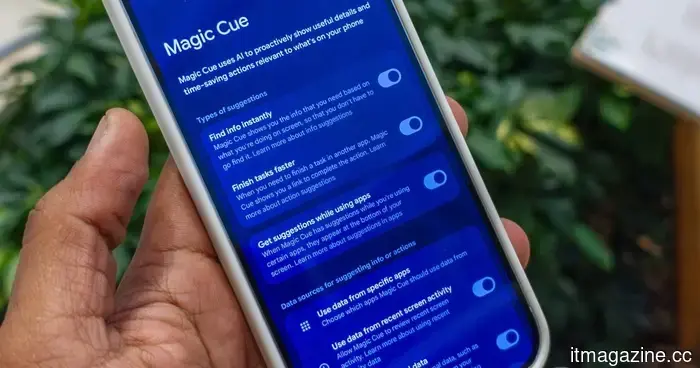 Magic Cue, una de las funciones más inteligentes de Android en los teléfonos Pixel, llegará a más aplicaciones.
Google confirmó una integración con Snapchat, una nueva interfaz de usuario y fuertes indicios de soporte para Wallet y Tasks. Es la actualización que la función realmente necesitaba.
Magic Cue, una de las funciones más inteligentes de Android en los teléfonos Pixel, llegará a más aplicaciones.
Google confirmó una integración con Snapchat, una nueva interfaz de usuario y fuertes indicios de soporte para Wallet y Tasks. Es la actualización que la función realmente necesitaba.
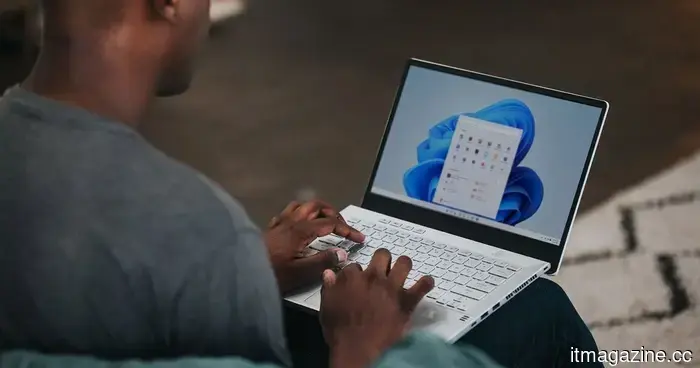 Microsoft está solucionando un problema de búsqueda en Windows 11 que probablemente te ha molestado una docena de veces.
La búsqueda de Windows 11 puede finalmente dejar de enviarte a Bing cuando solo intentas encontrar archivos locales en tu PC. Microsoft está probando una solución que da mayor prioridad a los resultados locales.
Microsoft está solucionando un problema de búsqueda en Windows 11 que probablemente te ha molestado una docena de veces.
La búsqueda de Windows 11 puede finalmente dejar de enviarte a Bing cuando solo intentas encontrar archivos locales en tu PC. Microsoft está probando una solución que da mayor prioridad a los resultados locales.
 Elon Musk recibirá un salario histórico si construye una colonia de un millón de humanos en Marte.
El plan de compensación de SpaceX de Elon Musk podría desbloquear una enorme recompensa en acciones si la empresa alcanza una gran valoración y construye una colonia en Marte de un millón de personas.
Elon Musk recibirá un salario histórico si construye una colonia de un millón de humanos en Marte.
El plan de compensación de SpaceX de Elon Musk podría desbloquear una enorme recompensa en acciones si la empresa alcanza una gran valoración y construye una colonia en Marte de un millón de personas.
 Oura presenta de manera confidencial su solicitud para una OPI en EE. UU. a medida que las ventas de anillos se aceleran.
El fabricante finlandés de anillos inteligentes Oura ha presentado de manera confidencial una solicitud para una oferta pública inicial (IPO) en EE. UU., menos de un año después de cerrar una ronda de financiación Serie E de 11 mil millones de dólares y superar los 1 mil millones de dólares en ventas.
Adiós pantalla de inicio: Cómo NEED está convirtiendo Telegram en un mercado digital
NEED construye un mercado nativo de chat dentro de Telegram donde los usuarios compran eSIMs, tarjetas de regalo y VPNs sin necesidad de descargar una aplicación, como parte de un cambio más amplio de las tiendas de aplicaciones a ecosistemas de mini-aplicaciones.
Oura presenta de manera confidencial su solicitud para una OPI en EE. UU. a medida que las ventas de anillos se aceleran.
El fabricante finlandés de anillos inteligentes Oura ha presentado de manera confidencial una solicitud para una oferta pública inicial (IPO) en EE. UU., menos de un año después de cerrar una ronda de financiación Serie E de 11 mil millones de dólares y superar los 1 mil millones de dólares en ventas.
Adiós pantalla de inicio: Cómo NEED está convirtiendo Telegram en un mercado digital
NEED construye un mercado nativo de chat dentro de Telegram donde los usuarios compran eSIMs, tarjetas de regalo y VPNs sin necesidad de descargar una aplicación, como parte de un cambio más amplio de las tiendas de aplicaciones a ecosistemas de mini-aplicaciones.
Farewell home screen: How NEED is transforming Telegram into a digital marketplace.
NEED creates a chat-based marketplace within Telegram that allows users to purchase eSIMs, gift cards, and VPNs without needing to download an application. This is part of a larger trend moving from traditional app stores to mini-app ecosystems.