

Will Apple’s iOS 27 introduce third-party AI options and aid Chinese iPhones in overcoming their AI challenges?
Apple is reportedly preparing to enable users to select third-party AI models for the first time in its forthcoming iOS 27 release, thereby broadening the capabilities of Apple Intelligence to enhance essential system features like Siri, writing tools, and image generation, as per Bloomberg.
This move would signify a major shift for Apple, transitioning from its typically closed ecosystem to a more open platform approach. It may also provide a potential solution to the current restrictions faced by iPhones in China, where AI functionality has been hindered due to regulatory and ecosystem limitations.
Since the debut of Apple Intelligence in 2024, iPhones sold in China have encountered significant barriers in utilizing AI features. Regulatory obligations prevent these devices from accessing the complete range of native AI capabilities, including services like ChatGPT, forcing users to rely on the slower, conventional Siri or to download separate large-model applications, resulting in cumbersome processes for completing AI tasks. This fragmented experience has undermined efficiency and positioned China-market iPhones at a disadvantage in the AI landscape.
Nevertheless, the anticipated iOS 27 update could substantially alter this situation. The new system is expected to introduce a feature named Extensions, a flexible module with high permissions that would permit users to designate third-party AI applications as their default engine on their devices.
This would allow users to access domestic AI models like DeepSeek and Doubao directly, providing a more intelligent and locally customized user experience.
For local AI developers, the iOS 27 update represents a significant opportunity. Chinese AI companies have made noteworthy advancements in both technology and real-world applications over recent years. However, the restrictive nature of current ecosystems has limited their reach. A more open iOS 27 could create a new platform for these models, allowing them to better serve users, enhance brand visibility, and increase market share.
Apple's apparent shift also mirrors a larger trend in the AI industry. As AI technologies develop, openness, collaboration, and shared benefits are becoming increasingly standard. By adopting domestic AI models, Apple could bolster its competitiveness while more effectively meeting the needs of Chinese consumers, thereby strengthening its presence in one of its key markets.
That being said, whether iPhones sold in China can genuinely overcome their current AI constraints will depend on the performance of iOS 27 once it is officially launched. Still, the anticipated changes bring renewed hope and heightened expectations among users in the Chinese market.
Jessie Wu is a technology journalist based in Shanghai, covering consumer electronics, semiconductors, and the gaming sector for TechNode. You can reach her via e-mail at jessie.wu@technode.com.


Other articles
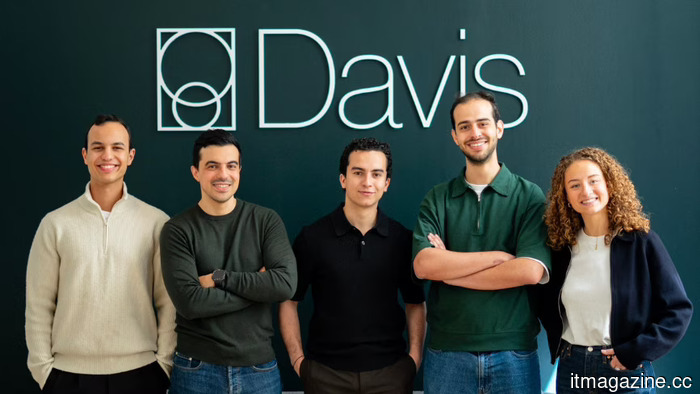 Davis secures $5.5 million in pre-seed funding to streamline real estate development.
Davis, based in Paris, has secured a $5.5 million pre-seed funding to accelerate real estate development from months to days, utilizing a new generative model known as Gaudi-1.
Davis secures $5.5 million in pre-seed funding to streamline real estate development.
Davis, based in Paris, has secured a $5.5 million pre-seed funding to accelerate real estate development from months to days, utilizing a new generative model known as Gaudi-1.
 This Google Home update focuses on enhanced automation capabilities.
The Google Home update enhances automation by introducing new triggers, conditions, and actions, enabling more intelligent control over devices such as locks, lights, appliances, and sensors.
This Google Home update focuses on enhanced automation capabilities.
The Google Home update enhances automation by introducing new triggers, conditions, and actions, enabling more intelligent control over devices such as locks, lights, appliances, and sensors.
 Samsung Electronics surpasses $1 trillion, joining TSMC.
On Wednesday, Samsung Electronics reached a market capitalization of $1 trillion, becoming the second Asian company to achieve this milestone, following TSMC.
Samsung Electronics surpasses $1 trillion, joining TSMC.
On Wednesday, Samsung Electronics reached a market capitalization of $1 trillion, becoming the second Asian company to achieve this milestone, following TSMC.
 Samsung Electronics surpasses $1 trillion, joining TSMC.
On Wednesday, Samsung Electronics surpassed a market capitalization of $1 trillion, becoming only the second Asian company to achieve this milestone, alongside TSMC.
Samsung Electronics surpasses $1 trillion, joining TSMC.
On Wednesday, Samsung Electronics surpassed a market capitalization of $1 trillion, becoming only the second Asian company to achieve this milestone, alongside TSMC.
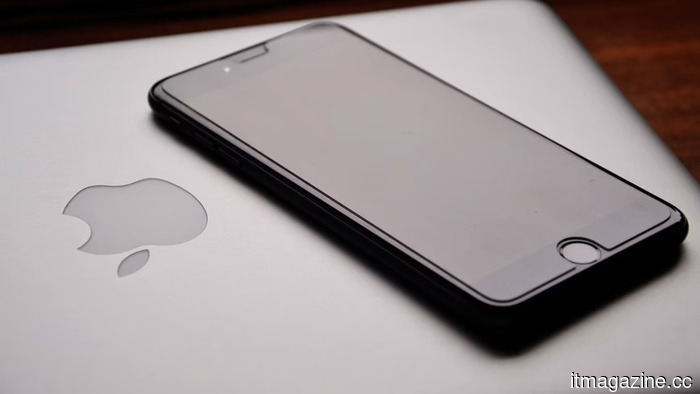 Apple reaches a $250 million settlement in the consumer Siri lawsuit.
Apple has resolved the Landsheft consumer class action regarding the marketing of Siri AI for $250 million. Meanwhile, the related securities-fraud case involving shareholders is still ongoing.
Apple reaches a $250 million settlement in the consumer Siri lawsuit.
Apple has resolved the Landsheft consumer class action regarding the marketing of Siri AI for $250 million. Meanwhile, the related securities-fraud case involving shareholders is still ongoing.
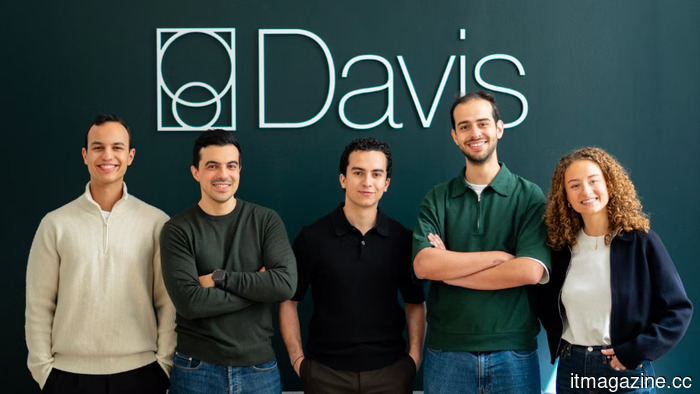 Davis secures $5.5 million in pre-seed funding to streamline real estate development.
Davis, based in Paris, has secured $5.5 million in pre-seed funding to accelerate real estate development from months to days using an innovative generative model named Gaudi-1.
Davis secures $5.5 million in pre-seed funding to streamline real estate development.
Davis, based in Paris, has secured $5.5 million in pre-seed funding to accelerate real estate development from months to days using an innovative generative model named Gaudi-1.
Will Apple’s iOS 27 introduce third-party AI options and aid Chinese iPhones in overcoming their AI challenges?
Apple is said to be preparing to let users select third-party AI models for the first time in the soon-to-be-released iOS 27, broadening Apple's offerings.