
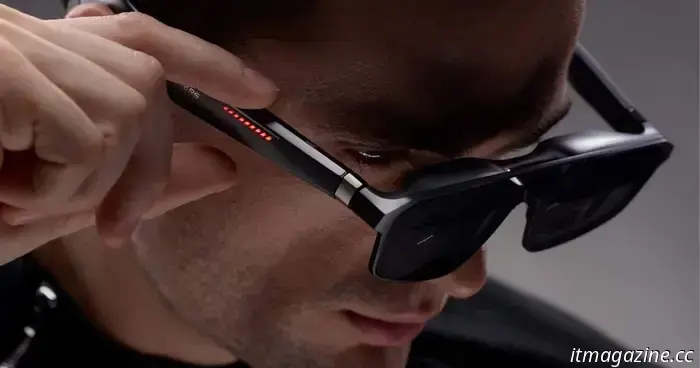
Xreal delivers an incredibly fast 240Hz display right in front of you with the ROG R1 AR glasses.
Big-screen gaming without a monitor
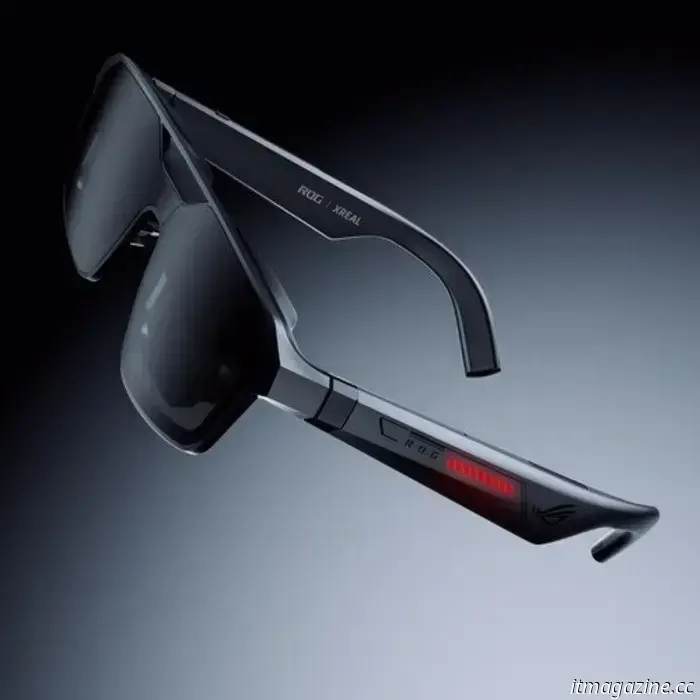
At CES 2026, Asus and Xreal revealed a strategic collaboration and launched the ROG Xreal R1 AR gaming glasses, a wearable display crafted specifically for intense gaming. The standout feature is hard to overlook: these glasses are marketed as the world's first 240 Hz micro-OLED FHD gaming glasses, offering a vast 171-inch virtual screen experience.
Designed for competitive gaming and immersive experiences
This partnership merges Xreal’s expertise in lightweight AR technology and optical systems with Asus ROG’s longstanding commitment to enhancing gaming displays with higher refresh rates and larger formats. The result is a product tailored for gamers who require speed, scalability, and portability without sacrificing responsiveness.
The ROG Xreal R1 utilizes dual 1920 × 1080 micro-OLED panels powered by Xreal’s custom X1 chip, producing a virtual display that can extend up to 171 inches at a viewing distance of four meters, with a field of view reaching up to 57 degrees.
For competitive gamers, the glasses offer a 240 Hz ultra-high refresh rate mode with 3 ms motion-to-photon latency, which Asus and Xreal claim provides smoother motion and quicker response than current AR glasses.
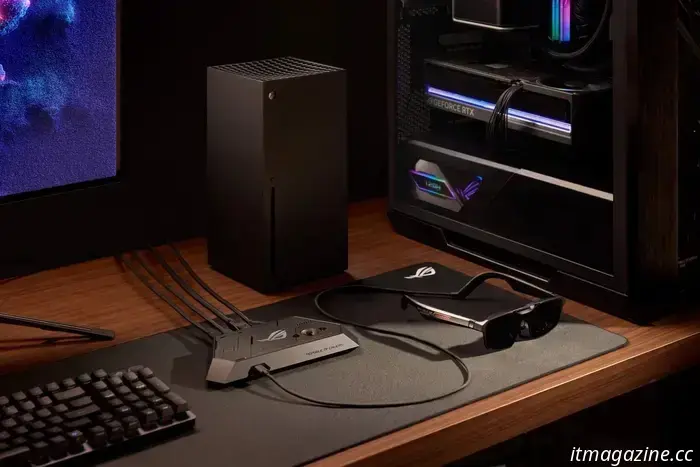
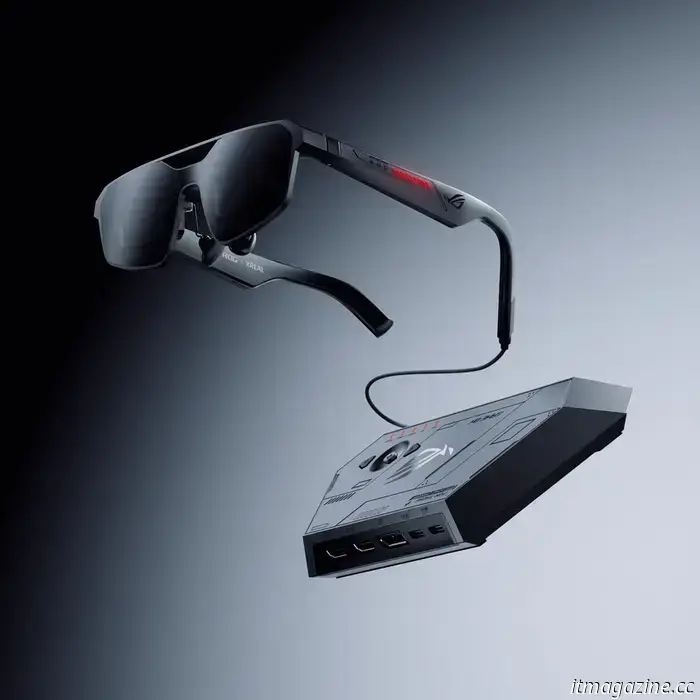
Connectivity is managed through the unique ROG Control Dock, which features DisplayPort 1.4 and two HDMI 2.0 ports, enabling easy switching between PCs and consoles.
The glasses can also connect directly to the ROG Ally handheld via USB-C with plug-and-play functionality. Weighing merely 91 grams, the R1 is designed for mobility, not just for stationary use.
Additional features prioritize comfort and usability. The glasses support 3DoF with Anchor mode, allowing users to position the virtual screen anywhere in real space. The electrochromic lens tint automatically adjusts transparency based on what users are focusing on, and Sound by Bose audio is integrated to provide spatial sound without needing additional headphones.
The ROG Xreal R1 is anticipated to be available in the first half of 2026, though the price has not yet been disclosed. It is expected to be pricier than Xreal's recently released 1S AR glasses, which are a refreshed and more budget-friendly version of the Xreal One, priced at $449.
---
Manisha enjoys covering technology that impacts daily life, from smartphones and apps to gaming and streaming.
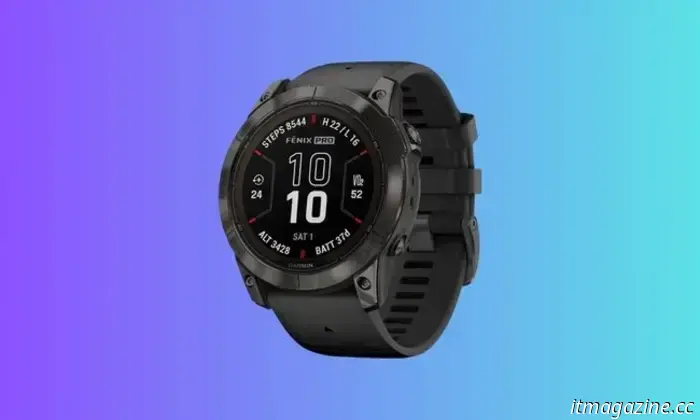
A $250 discount makes the Garmin fenix 7X Pro Sapphire Solar an enticing purchase
The Garmin fenix 7X Pro Sapphire Solar is currently priced at $549.99 (down from $799.99), offering a $250 discount. This is a significant reduction on one of Garmin's most versatile “wear it every day, take it anywhere” watches, particularly suitable for those who train outdoors, travel frequently, or seek a smartwatch designed more like equipment than fashion.
Save $100 on AirPods Max if you're embedded in the Apple ecosystem
AirPods Max typically don't require much persuasion. People either seek them for the seamless Apple ecosystem experience or dismiss them as too pricey. Thus, the price is more significant than the hype: the AirPods Max (USB-C) are now priced at $449.99, reflecting a $100 reduction. If you’ve been waiting for a more affordable moment, this is it.
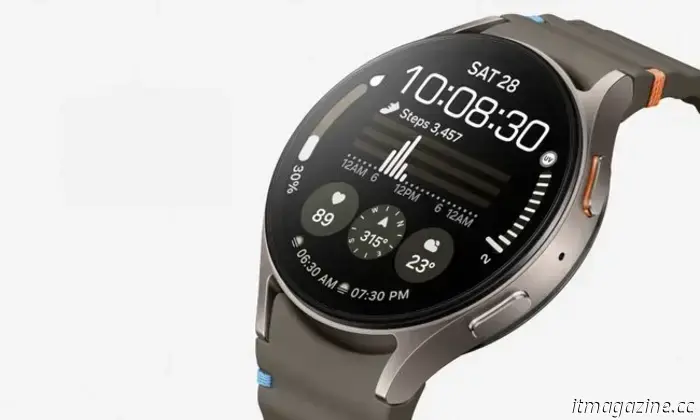
Samsung aims to use your Galaxy Watch to identify early signs of dementia
Samsung Electronics is preparing to unveil one of its most ambitious health features, known as Brain Health. This new functionality aims to assist in detecting early indicators of cognitive decline and early-stage dementia by quietly analyzing everyday data generated through phones and wearables. Samsung is likely to showcase this feature during its CES 2026 preview events in Las Vegas, marking a significant advancement in digital health (via Sam Mobile).



Other articles
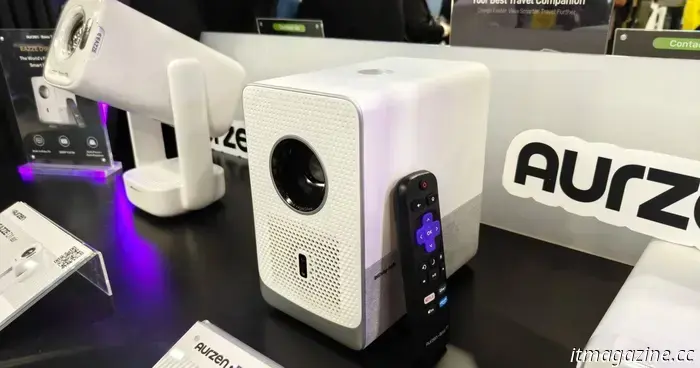 Aurzen's latest smart portable projectors allow you to experience entertainment wherever you are.
Aurzen introduces a new era of portable projectors, featuring a compact tri-fold design as well as models equipped with Google TV and Roku TV. This development illustrates the broadening scope of projection technology, now extending beyond traditional living room settings to cars, travel, and daily use.
Aurzen's latest smart portable projectors allow you to experience entertainment wherever you are.
Aurzen introduces a new era of portable projectors, featuring a compact tri-fold design as well as models equipped with Google TV and Roku TV. This development illustrates the broadening scope of projection technology, now extending beyond traditional living room settings to cars, travel, and daily use.
 HP's inaugural HyperX OMEN gaming laptop features an RTX 5090 mobile GPU and an OLED display.
HP's newest gaming laptops are not solely focused on quicker GPUs and OLED displays; they represent a shift in the brand that could transform the company's gaming prospects.
HP's inaugural HyperX OMEN gaming laptop features an RTX 5090 mobile GPU and an OLED display.
HP's newest gaming laptops are not solely focused on quicker GPUs and OLED displays; they represent a shift in the brand that could transform the company's gaming prospects.
 Amazon is integrating Alexa+ into Samsung TVs, vehicles, and even on your finger.
Alexa+ is coming to Samsung TVs, BMW cars, Bosch coffee machines, and Oura rings, representing Amazon's most significant effort to transform Alexa into a multi-device assistant that stays with users throughout their daily activities.
Amazon is integrating Alexa+ into Samsung TVs, vehicles, and even on your finger.
Alexa+ is coming to Samsung TVs, BMW cars, Bosch coffee machines, and Oura rings, representing Amazon's most significant effort to transform Alexa into a multi-device assistant that stays with users throughout their daily activities.
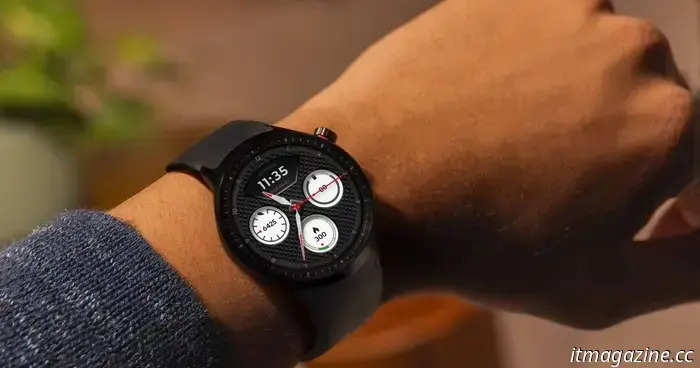 The Moto Watch can last almost two weeks and offers Polar's advanced fitness features.
The Moto Watch boasts important features such as an IP68 rating, dual-band GPS for accurate location tracking, and a 1.43-inch round OLED display shielded by Gorilla Glass 3. It will be available for purchase starting January 22 in a PANTONE Volcanic Ash shade.
The Moto Watch can last almost two weeks and offers Polar's advanced fitness features.
The Moto Watch boasts important features such as an IP68 rating, dual-band GPS for accurate location tracking, and a 1.43-inch round OLED display shielded by Gorilla Glass 3. It will be available for purchase starting January 22 in a PANTONE Volcanic Ash shade.
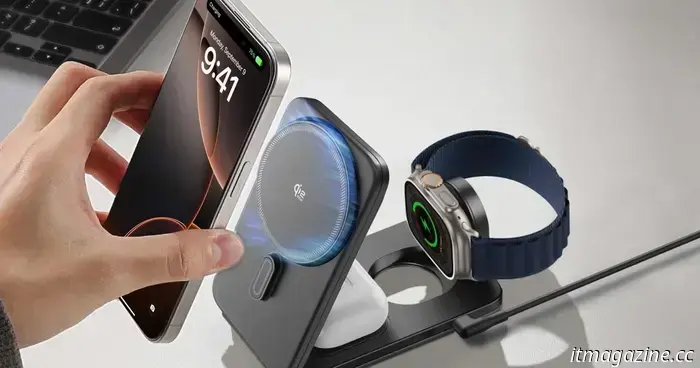 This innovative wireless charger employs cutting-edge technology to keep your iPhone cool.
ESR introduces an innovative wireless charging technology at CES 2026 featuring its 3-in-1 charging dock.
This innovative wireless charger employs cutting-edge technology to keep your iPhone cool.
ESR introduces an innovative wireless charging technology at CES 2026 featuring its 3-in-1 charging dock.
 Digital Trends CES 2026 Publisher Awards
Here are 12 must-see products from CES 2026, featuring home vacuums, pool cleaners, and AI companions.
Digital Trends CES 2026 Publisher Awards
Here are 12 must-see products from CES 2026, featuring home vacuums, pool cleaners, and AI companions.
Xreal delivers an incredibly fast 240Hz display right in front of you with the ROG R1 AR glasses.
XREAL has collaborated with Asus ROG to introduce the ROG R1 AR glasses, featuring 240Hz micro-OLED displays and a virtual viewing space of 171 inches, positioning wearable AR as a viable choice for high-performance gaming.